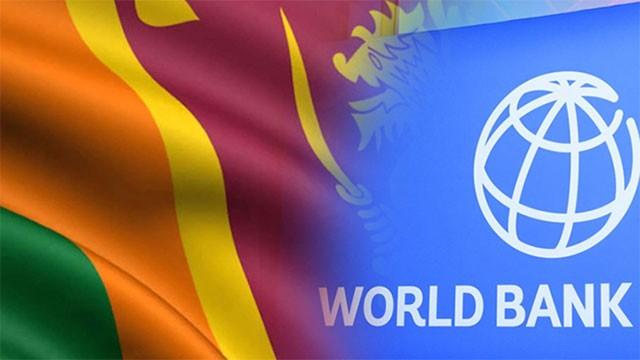
COLOMBO : Sri Lanka has once again been classified as an Upper-Middle Income Economy, according to the latest country income classification released by the World Bank today (July 01).
Sri Lanka’s economy suffered a severe contraction following the unprecedented economic crisis in 2022. However, three years after the crisis, the country has recorded a notable recovery, with its Gross Domestic Product (GDP) growing by 5% in 2025, the World Bank said.
The recovery has been largely attributed to the revival of the manufacturing and industrial sectors, which have played a key role in driving economic growth.
“Sri Lanka is a story of recovery. Just three years after a severe economic crisis brought the country to the brink of collapse in 2022, real GDP grew by 5% in 2025, driven by a rebound across industries and growth in financial and tourism services. The reclassification is a marker of resilience, though the country only narrowly crossed the threshold,” it said.
On July 1 of each year, the Development Data Group — the World Bank Group’s development data hub — updates the classifications according to gross national income (GNI) per capita estimates from the previous calendar year, placing the economies assessed into four income groups: low, lower-middle, upper-middle, and high. This year’s edition covers 218 countries, and the results will serve as a global reference until the end of June 2027.
The update matters because the classifications inform which countries can access concessional loans and development assistance, and help governments, researchers and a wide range of international organizations track economic progress worldwide.
GNI per capita is measured in USD dollars — using the Atlas methodology — and adjusted to smooth out short-term swings in exchange rates. The thresholds that define each income group are adjusted annually to account for inflation. Economic and population growth, shifts in national accounts, and revisions to underlying data can also influence the categorization.ada derana