

A.M.M.Muzammil
Under the pretext of national security and the pursuit of regime change, US President Donald Trump and Israeli Prime Minister Benjamin Netanyahu launched a joint military offensive against Iran on 28 February 2026.
The operation was accompanied by calls for the Iranian people to rise against their government and seize control of their country’s political future. The campaign was widely interpreted by critics as an attempt to achieve strategic objectives abroad while diverting attention from mounting political difficulties at home.
However, the anticipated political transformation in Iran did not materialise. Despite the enormous military firepower deployed against the country, the Iranian government did not collapse. Instead, the consequences of this military adventure have increasingly reverberated through the domestic political landscapes of the two countries responsible for initiating it.
As the old saying goes, you reap what you sow. In a remarkable twist of political irony, the leaders who sought to engineer regime change abroad have found themselves confronting growing political instability and electoral setbacks at home.
In Israel, Netanyahu’s political standing has suffered a serious blow. The October 2026 parliamentary election exposed the vulnerability of his governing coalition. Although his political bloc emerged with 53 seats in the 120-member Knesset, it fell short of the 61 seats required for an outright parliamentary majority.
The opposition bloc secured 48 seats, while Arab-led parties won a historic combined total of 19 seats. The results have left Netanyahu facing difficult coalition negotiations and an uncertain political future. His predicament reflects mounting public frustration over security failures, the prolonged devastation in Gaza and the government’s handling of the wider regional conflict.
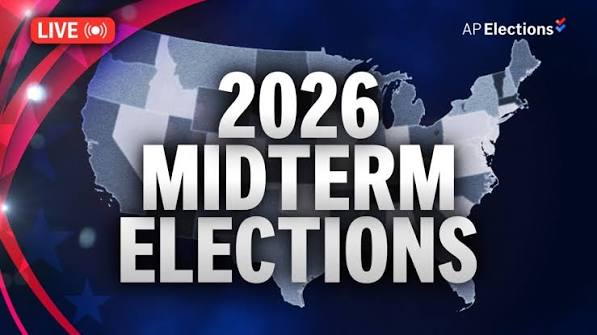
Across the Atlantic, Trump encountered an equally damaging political verdict. The 3 November 2026 midterm elections delivered a sweeping victory to the Democrats, who secured control of both the House of Representatives and the Senate. The result represents a significant repudiation of the Republican administration and a dramatic shift in the balance of power in Washington.
Economic hardship, rising living costs and soaring fuel prices, compounded by the financial consequences of the Iran war, fuelled public dissatisfaction and contributed to the Republican defeat. Trump’s own admission that the Iran conflict partly influenced the electoral outcome highlighted the domestic political cost of his foreign policy.
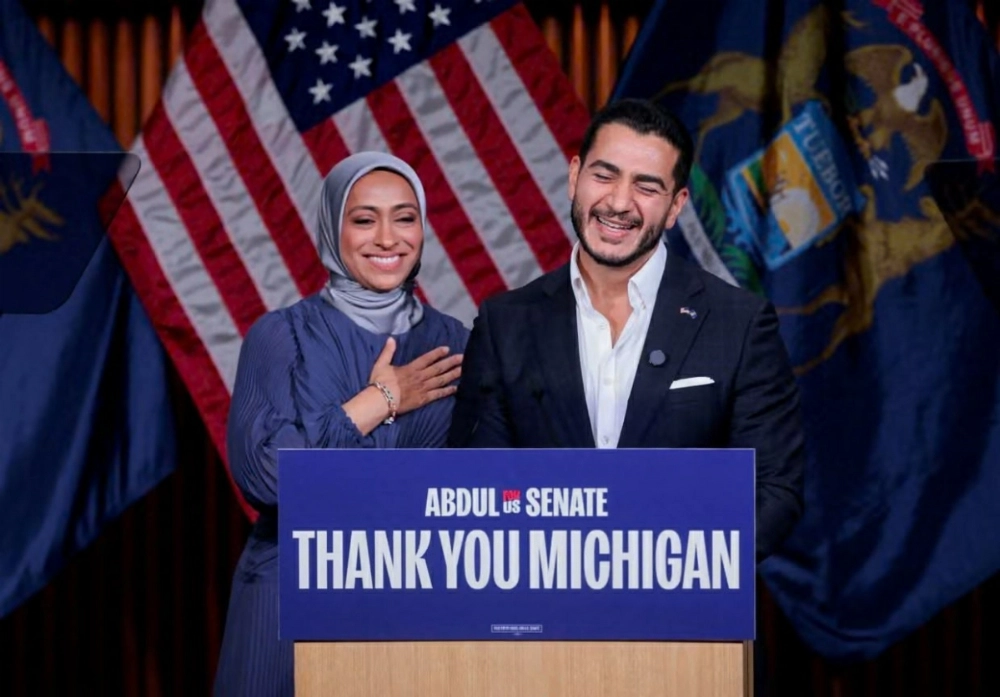
One of the most significant developments in the American elections was the historic victory of Democrat Abdul El-Sayed in Michigan’s Senate race, making him the first Muslim ever elected to the United States Senate. His victory carries significance far beyond party politics. Despite facing hostile rhetoric and attacks directed at his Muslim identity, El-Sayed succeeded in securing the confidence of voters. His achievement represents a milestone for Muslim Americans and reflects the growing political participation of younger, more diverse communities seeking greater representation in the country’s political institutions.
The Democratic takeover of Congress has also fundamentally altered Trump’s political environment. With Republicans losing control of both legislative chambers, the President can no longer expect the same degree of parliamentary support for his domestic and foreign policy agenda. Congressional committees are now positioned to intensify investigations into the administration’s decisions, scrutinise military expenditure and demand greater accountability for its conduct of the war against Iran.
The possibility of impeachment proceedings and other forms of political confrontation could further complicate an already challenging presidency.
Meanwhile, the world must not lose sight of the unbearable human suffering unfolding in Gaza. The prayers, anguish and desperate cries of thousands of innocent Palestinians, displaced from their homes and deprived of food, clean water, medical assistance and the most basic necessities of life, remain a painful reminder of the devastating human cost of political calculations and military aggression.
Behind every military operation are ordinary men, women and children whose lives are shattered by decisions over which they have little or no control. Their suffering must never be relegated to the margins of international political debate.
Ultimately, history repeatedly demonstrates that military supremacy does not necessarily translate into political wisdom, diplomatic success or electoral survival. A nation may possess the most sophisticated weapons and overwhelming military resources, but these cannot automatically secure public support, silence domestic dissent or guarantee political longevity.
Netanyahu and Trump may have embarked on their military campaign with the expectation of reshaping Iran’s political destiny. Instead, they have encountered the consequences of their own decisions within their respective political systems. Netanyahu is struggling to secure a governing majority, while Trump has suffered a devastating electoral setback that has transformed the balance of power in Washington.
The greatest irony is that the regime change Netanyahu and Trump sought in Iran never materialised; instead, the political backlash came home to haunt them. As the timeless maxim reminds us: “He who digs a grave for others may himself fall into it.”
The intended regime change was in Iran; the political upheaval came home. Poetic justice delivered its verdict: REGIME CHANGE IN AMERICA!