
FAIZ CASSIM
RIYADH :As global geopolitical tensions escalate, particularly with the ongoing conflict in the Middle East and the effective blockade of the Strait of Hormuz, Sri Lanka finds itself at a familiar but perilous crossroads. The echoes of the 2022 crisis are loud, but the lessons learned then must serve as our shield today. To navigate this “new normal,” the nation must pivot from reactive panic to proactive strategic buffering.
The current disruptions—which have seen Brent crude spike toward $120/barrel-demand a comprehensive national “War Room” approach. Below is a strategic blueprint for immediate precautions and long-term stabilization.
1. The Global Energy “Firewall” vs. The Hormuz Reality
To understand the urgency of immediate precautions, we must look at the mechanical tension between the world’s “safety net” and the scale of the disruption.
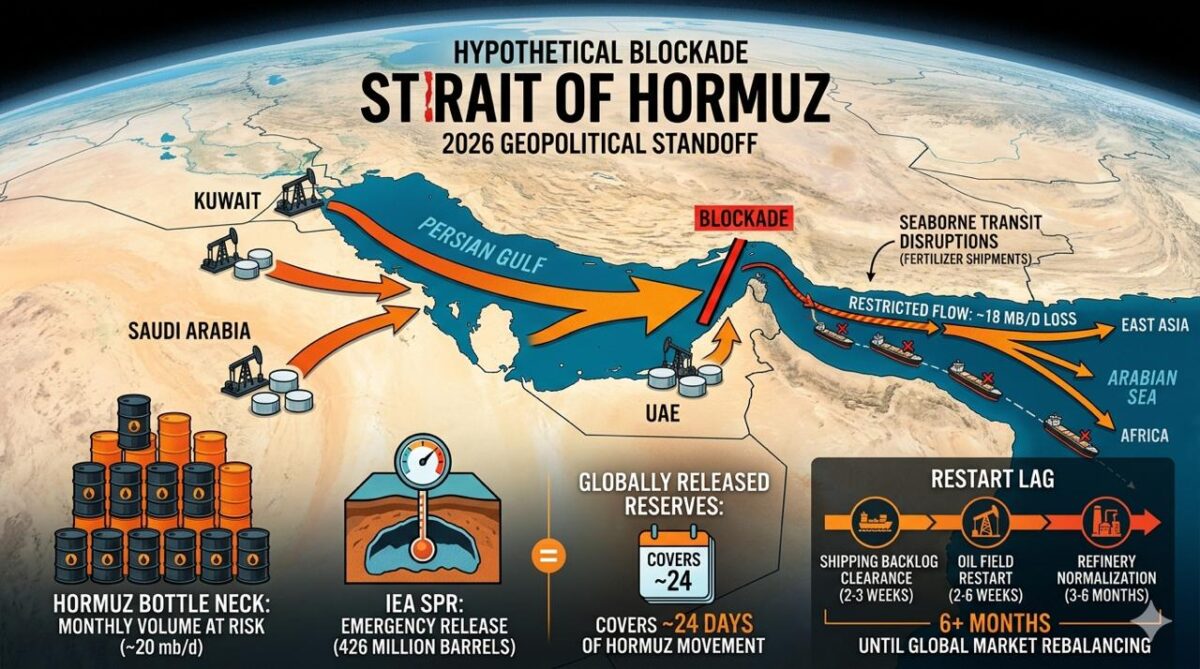
Major economies are currently utilizing their Strategic Petroleum Reserves (SPR) to dampen price volatility. In March 2026, IEA member countries initiated a release of 426 million barrels of oil. While historic, this release only covers about 24 days of the volume typically moved through the Strait of Hormuz (~20 million barrels per day).
- The “Restart” Lag: Critically, if the Strait were declared “open and free” today, normalcy would not return instantly. Technical experts estimate a 6-to-8 week “restart lag” to clear shipping backlogs, normalize insurance premiums, and many months for ramping up production at facilities that were forced to idle.
- The Insight for Sri Lanka: Global reserves are a “bridge,” not a “pier.” They can stabilize prices for roughly three weeks, but they cannot replace a long-term supply halt. Sri Lanka must treat this 24-day global buffer as a window to secure its own physical stocks before global inventories are depleted.
2. Immediate Resource Security: Beyond the Pump
Sri Lanka currently maintains roughly a 30-day fuel buffer, which is insufficient for a prolonged global standoff and the subsequent recovery period.
- Strategic Stockpiling: The government must fast-track the full utilization of the Trincomalee Oil Tank Farm. Expanding our storage capacity to 60 or 90 days provides a vital shock absorber against the “recovery tail” of the conflict.
- Fuel Rationing: The re-introduction of the QR-based rationing system (effective March 15, 2026) is a necessary tool to prevent hoarding and manage the limited supply effectively while the world draws down 5 million barrels of emergency stock every day.
- Alternative Sourcing: Since 80% of Hormuz oil is destined for Asia, competition for “free” oil from the Atlantic or Africa will be fierce. We must aggressively pursue government-to-government (G2G) deals with Russia and India now to ensure we aren’t outbid.
3. Agricultural Fortification: The Fertilizer Factor
Food security is the bedrock of social stability. With nearly half of the world’s urea transiting the Middle Eastern bottlenecks, our planting seasons are at risk.
- Pre-emptive Procurement: Immediate credit lines should be opened specifically for manure and chemical fertilizers from East Asian and African markets to bypass the Middle Eastern bottleneck.
- Buffer Stocks: Because fertilizer supply chains take longer to “restart” than oil, securing a 6-month buffer today is essential to preventing food inflation in late 2026.
4. Financial Arrangements: Safeguarding the Rupee
Our fiscal space remains tight. With reserves at $6.8 billion (CEIC, 2026), we must protect our capital from the “post-conflict premium”—the high prices that persist as nations scramble to refill their empty reserves after a war.
- Commodity Credit Lines: Negotiate specific “commodity-only” credit swaps with regional partners. This allows us to secure oil and gas without immediate dollar outflows.
- Multilateral Support: The government must advocate for a “Global Shock Facility” via the IMF to allow for emergency energy subsidies during peak volatility.
5. International Collaboration: The Neutrality Dividend
Sri Lanka’s strongest asset is its Non-Aligned foreign policy. We must leverage this neutrality to act as a bridge.
- Regional Cooperation: Strengthening the SAARC energy grid and BIMSTEC maritime security agreements can ensure that shipping lanes in the Indian Ocean remain open.
- Diplomatic Tenders: Rather than open-market bidding, use diplomatic channels to secure long-term supply contracts. Friendly nations are more likely to offer “crisis pricing” to a neutral partner.
Conclusion: The Cost of Inaction
The math is clear: even a ceasefire tomorrow would leave a two-month gap before global energy flows return to 100%. The government’s priority must be transparency. Clear communication regarding stock levels and contingency plans will prevent the panic-buying that led to the chaos of 2022.
By acting while the global “24-day bridge” is still holding, Sri Lanka can transform this global standoff into an opportunity to build a more self-reliant and resilient island nation.
References
- IEA (2026): “Largest Oil Stock Release in History (426M Barrels),” Press Release, March 11, 2026.
- UNCTAD (2026): “Trade and Development Report: Geopolitical Shocks and Maritime Bottlenecks.”
- CEIC Data (2026): “Sri Lanka Foreign Reserve and Economic Indicators,” March 2026.
- Ship Universe (2026): “The 60-Day Restart: Why Reopening Hormuz Won’t Fix Supply Chains Instantly.”
- Ministry of Energy SL (2026): “National Fuel Authorization System Updates.”
(The writer is a CFO served for MNCs in MENA and APAC regions and founder of Capital Bay Ltd a BPO specialized in GRC, Accounting & IT outsourcing services ., can be contacted at faiz@capitalbay.net)