


Bangladesh High Commission Observes July Martyrs’ Day 2026 with Due Solemnity:
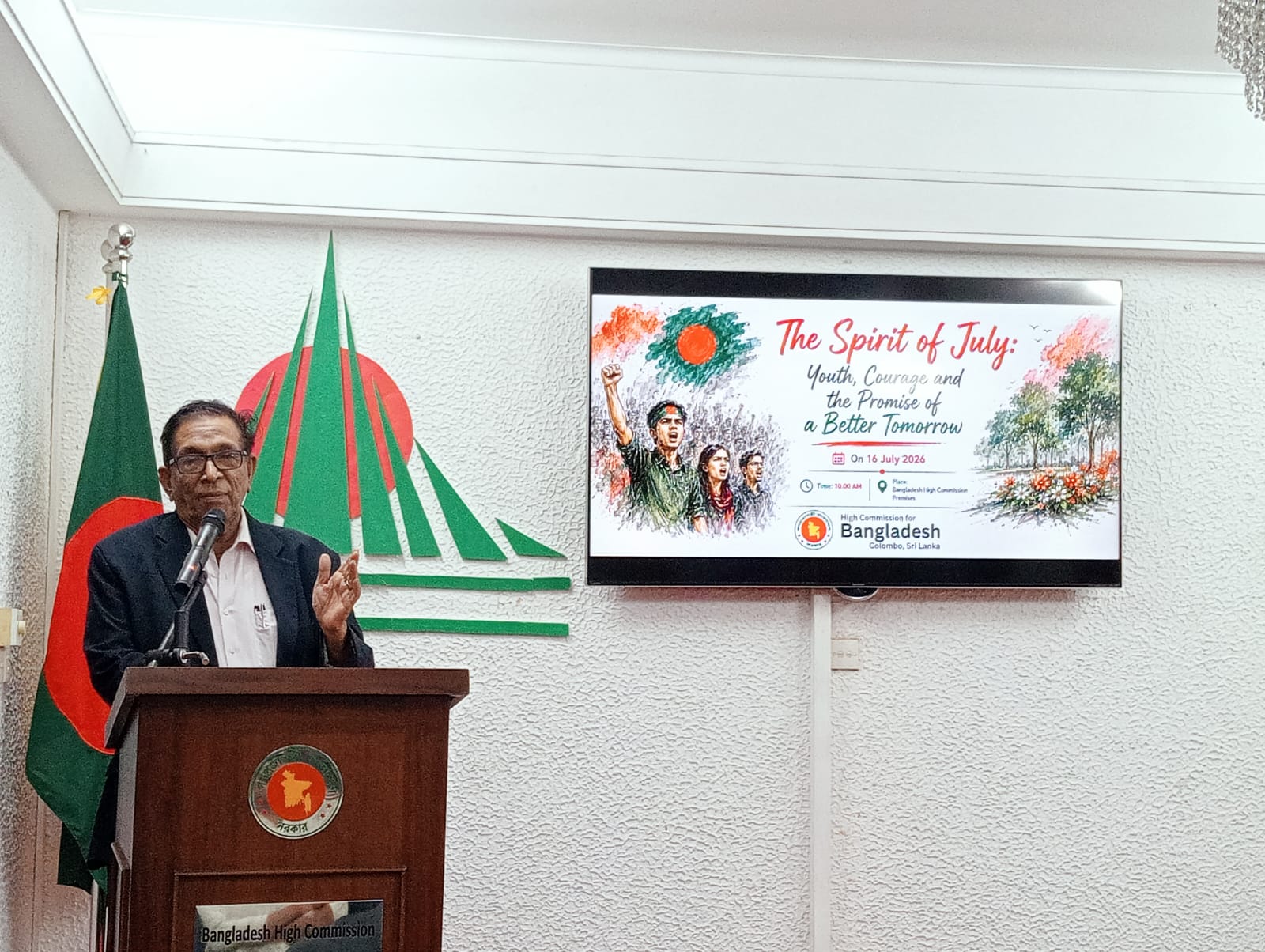
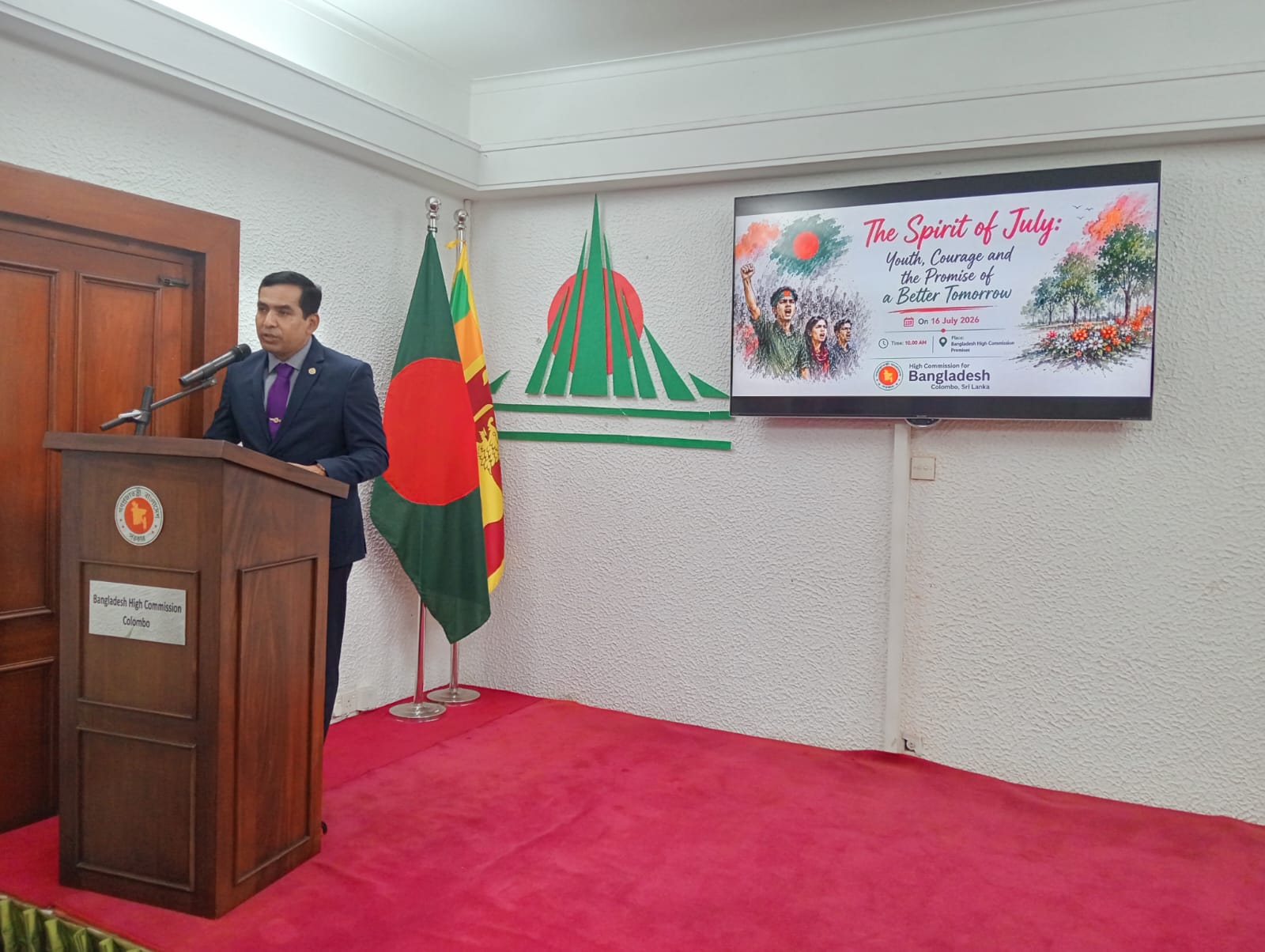
The Bangladesh High Commission in Colombo observed July Martyrs’ Day 2026 with due solemnity today, July 16, 2026. To mark the occasion, the High Commission organized a commemorative panel discussion titled “The Spirit of July: Youth, Courage, and the Promise of a Better Tomorrow.” The event drew a distinguished gathering of Sri Lankan journalists, academics, strategic affairs experts, university faculty, including representatives from General Sir John Kotelawala Defence University (KDU), young scholars from the Sri Lanka Model United Nations, and representatives from prominent think tanks and civil society organizations. The diverse attendance underscored a shared commitment between Bangladesh and Sri Lanka to democratic values, youth engagement, and regional cooperation.
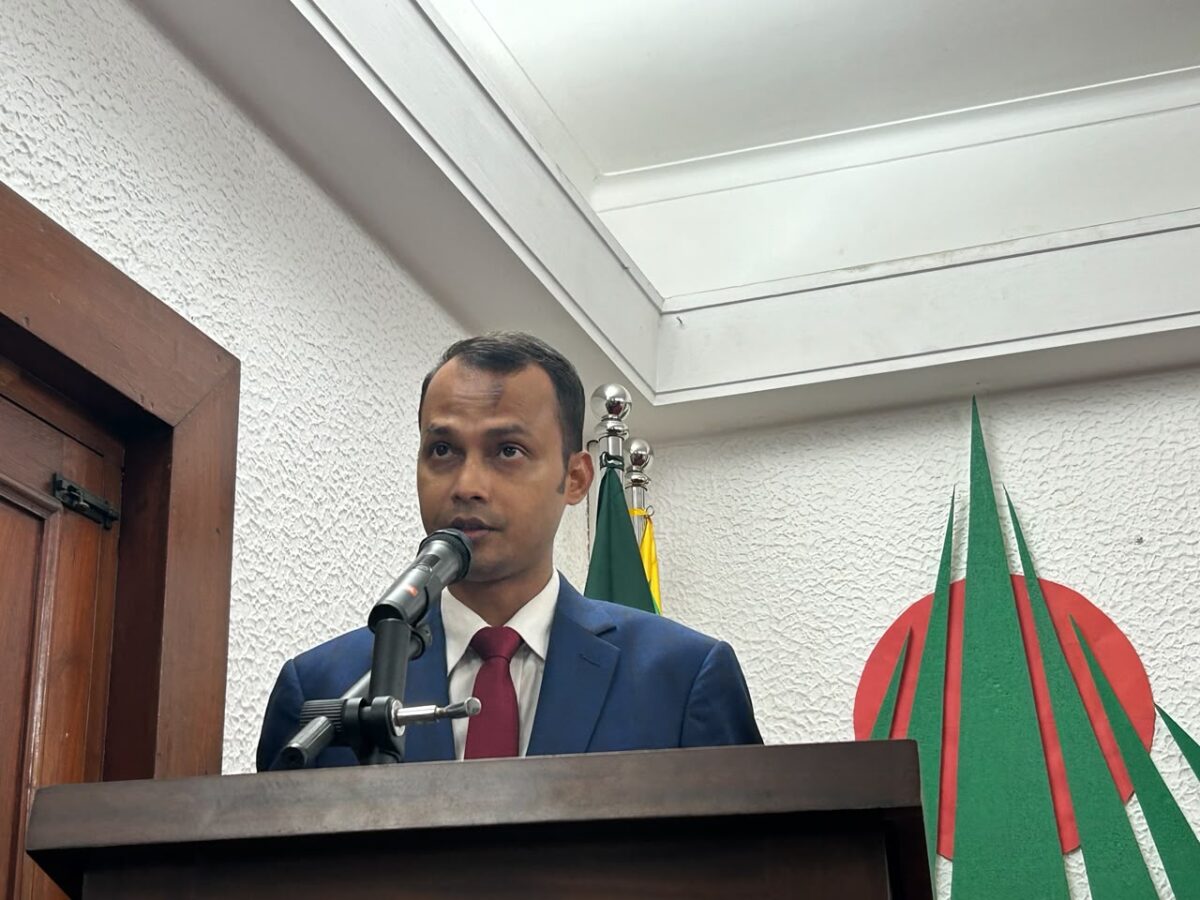
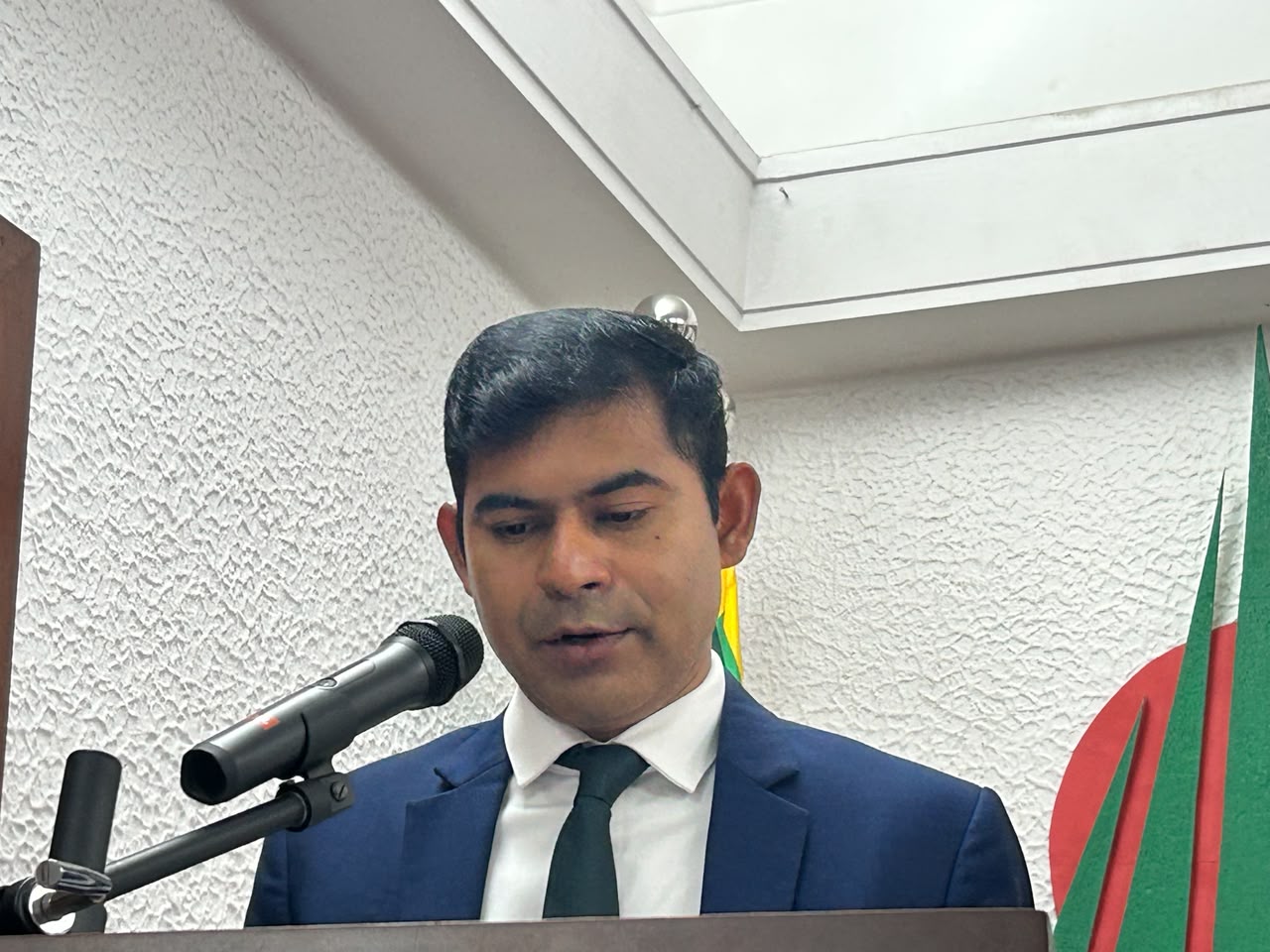
The programme commenced with a welcome address by Commodore Mohammad Moniruzzaman, Defence Adviser of the Bangladesh High Commission. Messages from the Hon’ble President and the Hon’ble Prime Minister of Bangladesh, issued on the occasion of July Martyrs’ Day, were also read out.
A keynote presentation on “The Spirit of July: Youth, Courage and the Promise of a Better Tomorrow” highlighted the historical significance of the July Uprising of 2024, its evolution from a student-led movement into a nationwide civic movement, and its enduring relevance in advancing democratic governance, justice, youth empowerment and inclusive development.
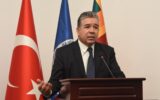
In his address, the Acting High Commissioner of Bangladesh to Sri Lanka, Mr. Samapan Barua, paid profound tributes to the martyrs of the July Uprising. He reflected on the extraordinary courage and sacrifice of Shaheed Abu Sayed, Shaheed Wasim Akram, and the hundreds of other brave young men and women who laid down their lives. He also reaffirmed Bangladesh’s steadfast commitment to building a nation founded on merit, justice, and the rule of law. He called upon the Bangladeshi diaspora to play an active role in the nation’s reconstruction and urged all for a renewed collective pledge to work relentlessly for the country’s progress while upholding the enduring spirit of independence, patriotism, and national service.
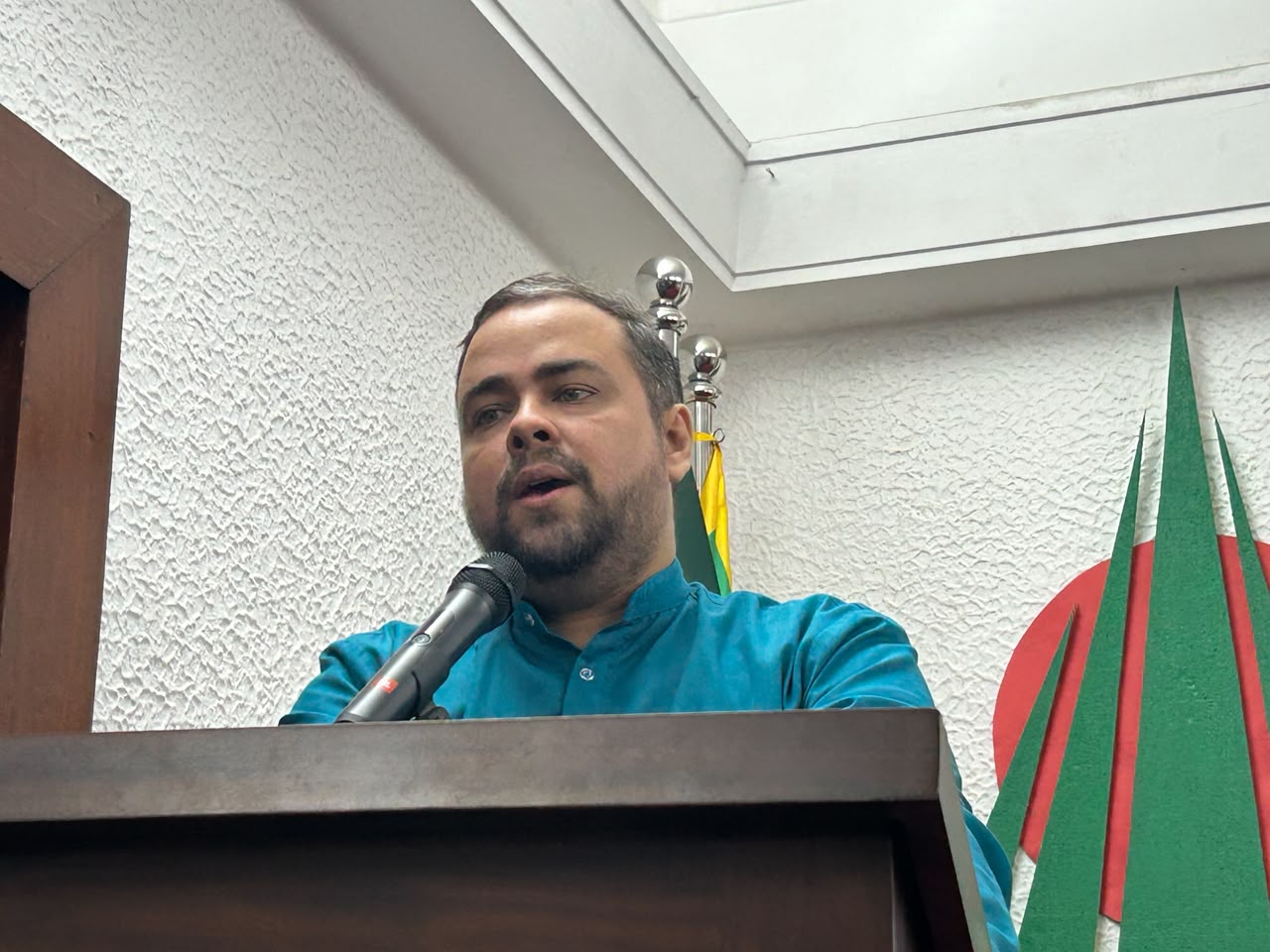
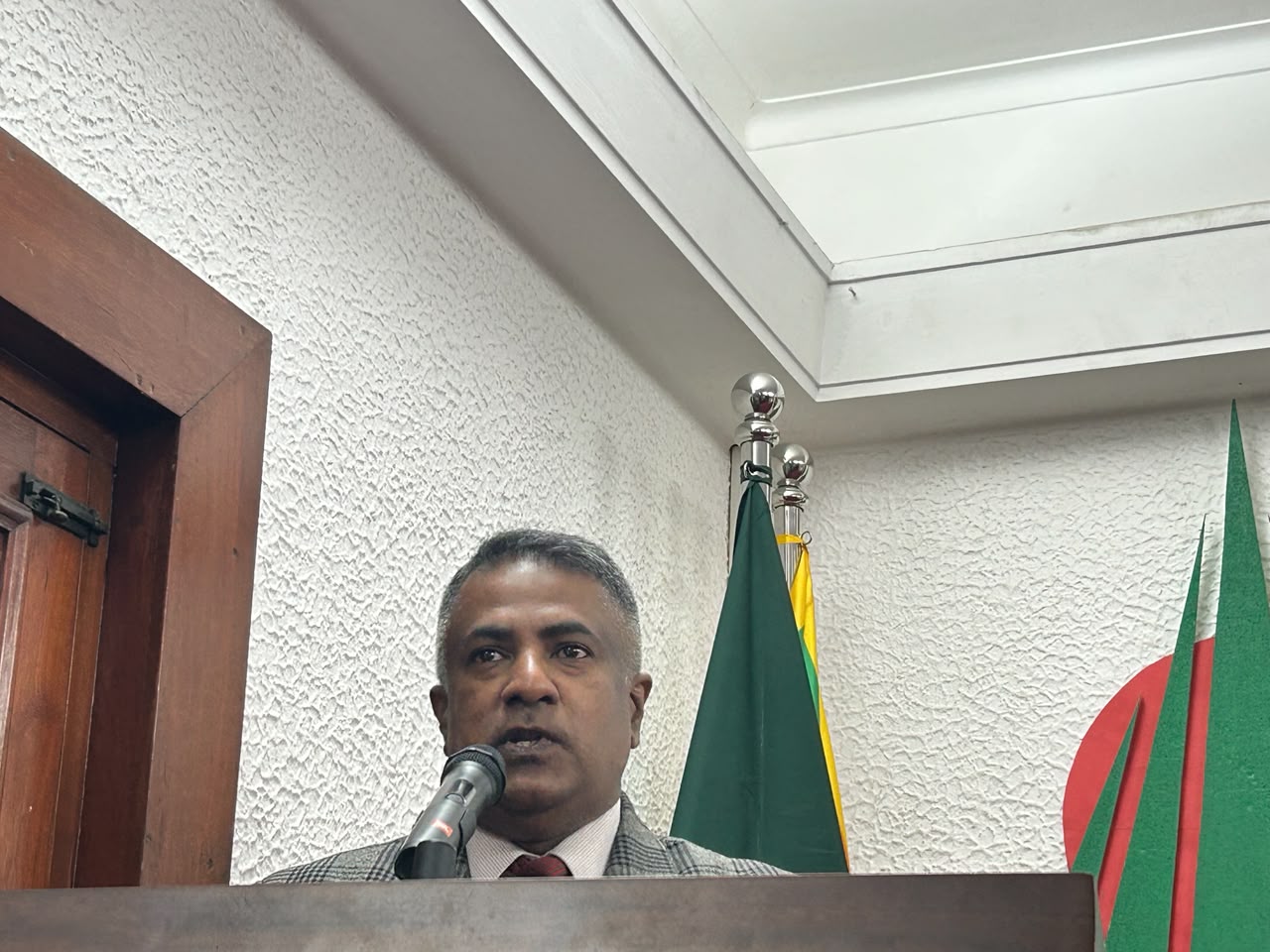
The discussion was further enriched by a panel of distinguished Sri Lankan speakers who shared their perspectives on youth participation, democratic governance, security studies and regional political developments.
Dr. Rishan De Silva, Executive Director of Geopolitical Cartographer, discussed the broader geopolitical significance of youth-led civic movements and emphasized the importance of democratic institutions in addressing public aspirations.
Dr. George I. H. Cooke, Former Director of the Regional Centre for Strategic Studies and former Deputy Director of the Bandaranaike Centre for International Studies, reflected on the historical evolution of democratic movements in South Asia and underscored the importance of preserving institutional resilience and promoting inclusive governance.
Colonel Nalin Herath (Retd.), Former Director General of the Institute of National Security Studies of Sri Lanka, shared observations on the relationship between national stability, public trust and responsive governance, stressing that constructive engagement between the State and its citizens remains fundamental to long-term stability.
Mr. Thirukumar Premakumar, Executive Director of the International Youth Alliance for Peace, highlighted the contribution of young people in promoting peacebuilding, democratic values and social cohesion across the region.
Mr. Mohammed Rasooldeen, Editor-in-Chief of Colombo Times, reflected on the role of the media in documenting historic events, fostering informed public discourse and safeguarding democratic accountability.



Recent Comments