

COLOMBO : Calligraphy is a traditional art form that has long been associated with Vietnamese culture. More than simply an elegant way of writing, Vietnamese calligraphy reflects the beauty of language, the values of harmony and wisdom, and people’s wishes for happiness, good fortune and prosperity.
In Vietnam, calligraphy is traditionally practiced using brush and ink on paper, with each stroke requiring concentration, patience and a strong sense of balance. Vietnamese calligraphy has been influenced by the country’s long cultural heritage, and has evolved over time into distinctive forms of Vietnamese calligraphy using the modern Vietnamese alphabet. Today, the art continues to be appreciated not only during traditional festivals and special occasions, but also as a meaningful expression of Vietnamese cultural identity.
Vietnamese calligraphy commonly features words and expressions conveying positive values and good wishes. Among the most popular are Hạnh phúc (Happiness), May mắn (Good Luck), Thịnh vượng (Prosperity), Phát triển (Development), Bình an (Peace), Tài lộc (Good Fortune and Wealth), and Thành công (Success). These words are more than beautiful compositions on paper; they represent the hopes and aspirations that Vietnamese people wish to share with their families, friends and guests.
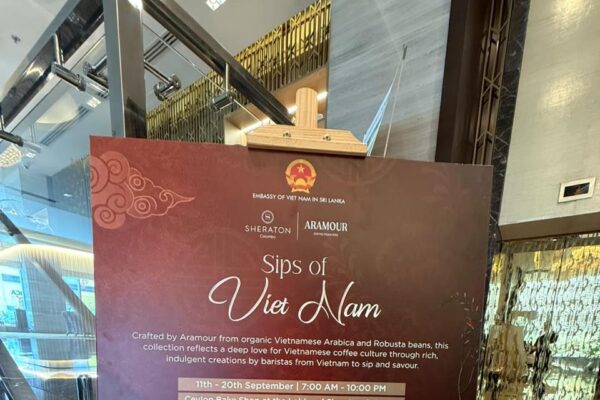
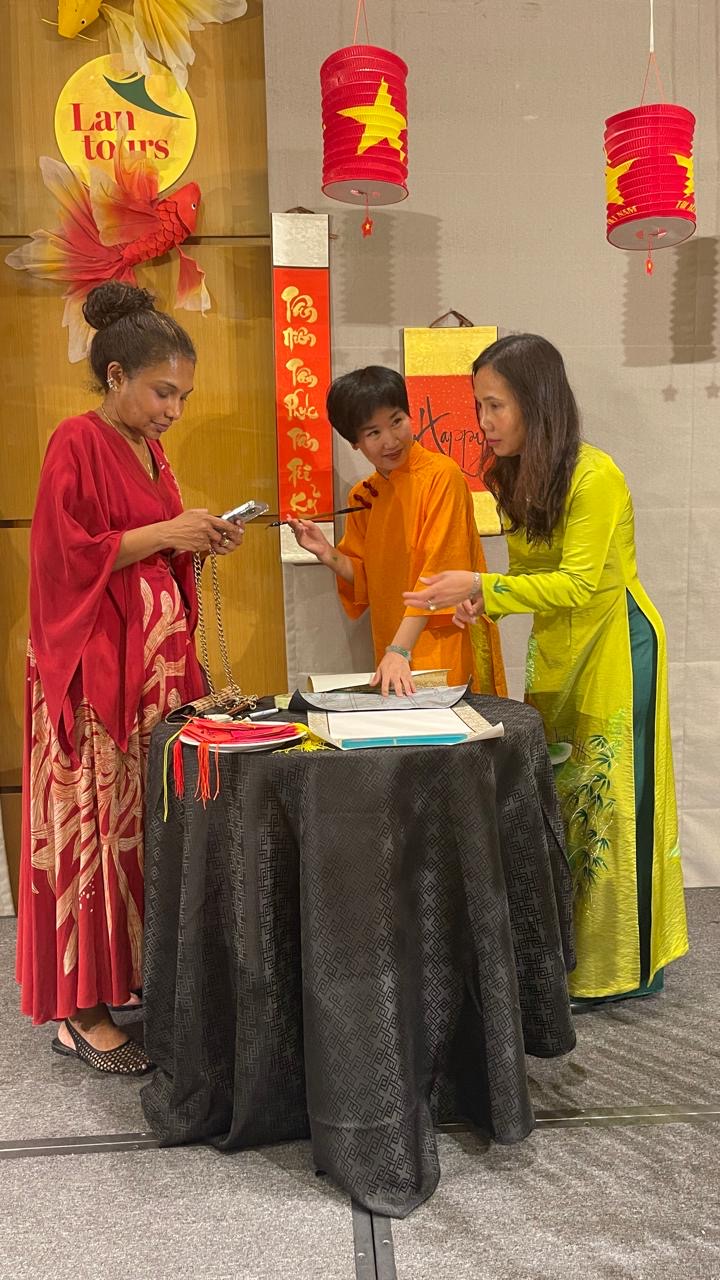
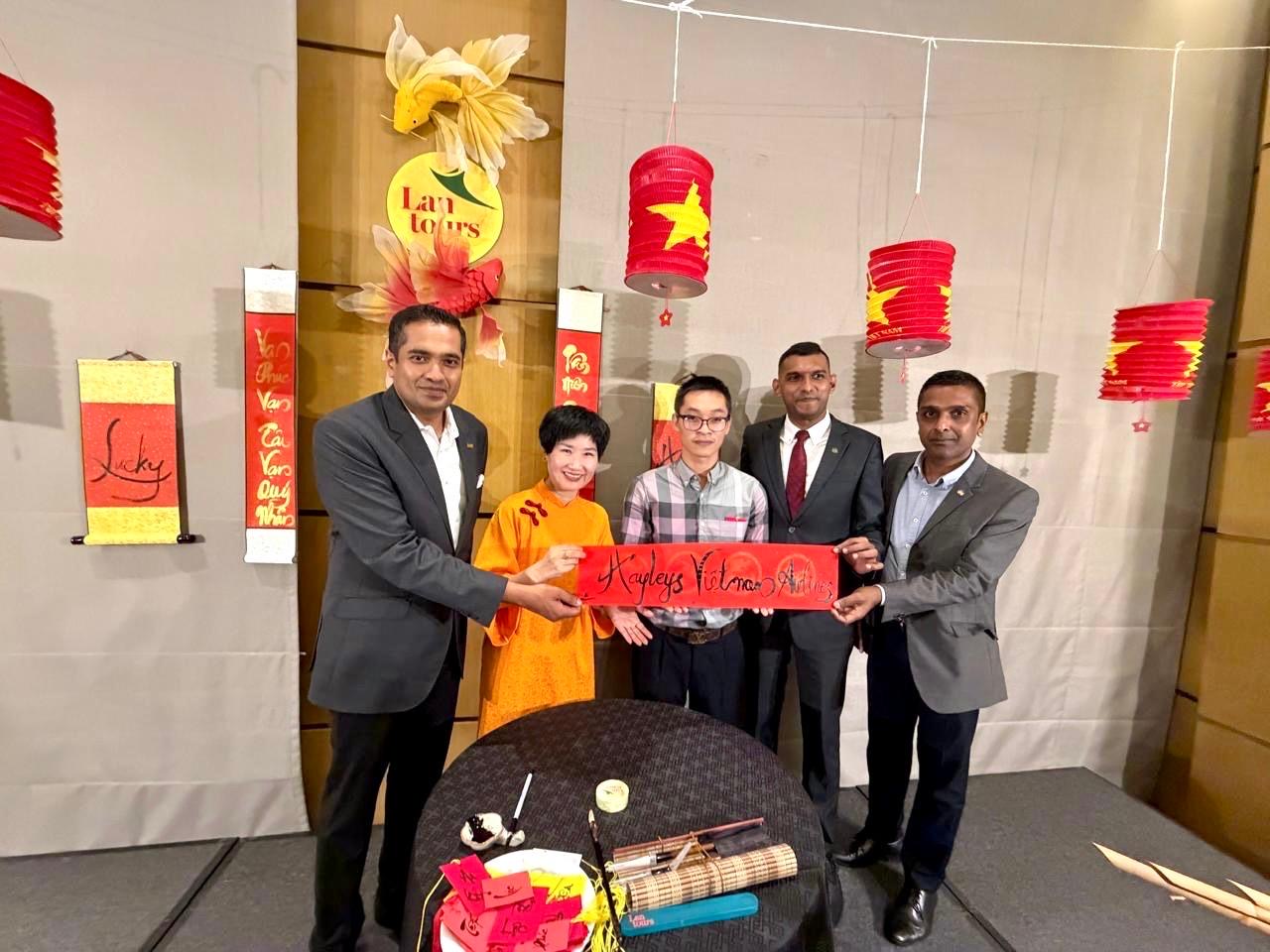
The beauty of Vietnamese calligraphy was brought to Colombo during “The Soul of Viet Nam”, a cultural and culinary programme jointly organised by the Embassy of Viet Nam in Sri Lanka and Sheraton Colombo, held from 11 to 20 September 2026 as part of the Vietnamese food and cultural week.
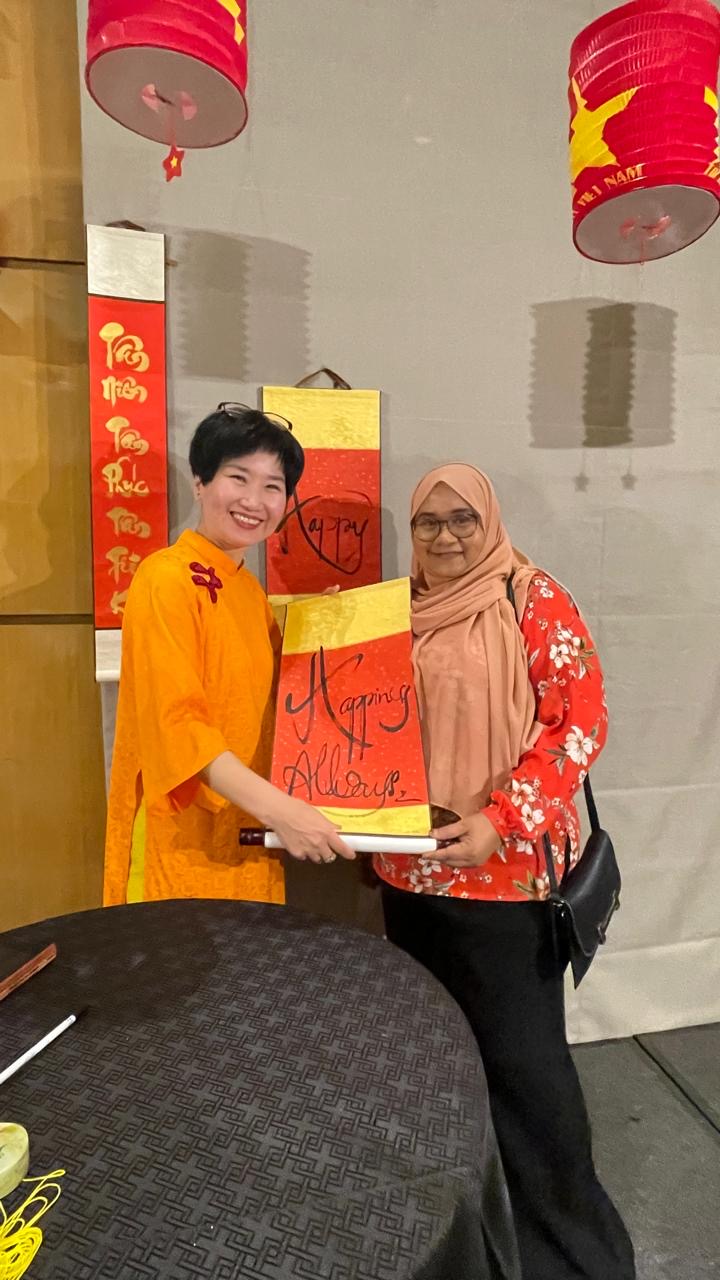
A special highlight of the programme was a live presentation of Vietnamese calligraphy by Ms. Bùi Thị Tuyết Lan, a Vietnamese calligraphy artist from Lan Tours. Through her demonstrations, guests had the opportunity to observe closely the delicate movements of the brush and the transformation of individual strokes into meaningful Vietnamese words.
The calligraphy corner attracted particular attention from guests, who were fascinated by both the visual beauty of the characters and the meanings behind them. Many guests were interested in having their names or words conveying good wishes written in Vietnamese calligraphy, creating a personal and memorable connection with Vietnamese culture.
The presentation by Ms. Bùi Thị Tuyết Lan therefore served not only as an introduction to a traditional Vietnamese art form, but also as a bridge between people and cultures. Through the graceful movement of the brush and the meaningful Vietnamese words on paper, guests at “The Soul of Viet Nam” were able to experience a small but beautiful part of Vietnam’s cultural heritage — one that celebrates good wishes, positive values and the enduring human desire for happiness, peace and prosperity.