
Eravur Correspondent – Nasser
ERAVUR :Former State Minister Seyed Ali Zahir Moulana stated that when he served as an Opposition Member of Parliament in 1996, the establishment of new schools in Eravur was achieved not only by overcoming political challenges from members of the then ruling party but also by defeating various conspiracies aimed at obstructing those efforts.
He further observed that the educational reforms presently being introduced by the Government, with the objective of transforming the country’s long-standing traditional system of teaching and learning, are both timely and commendable.
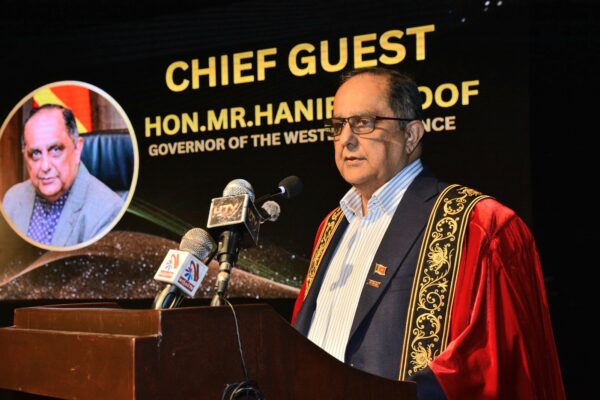
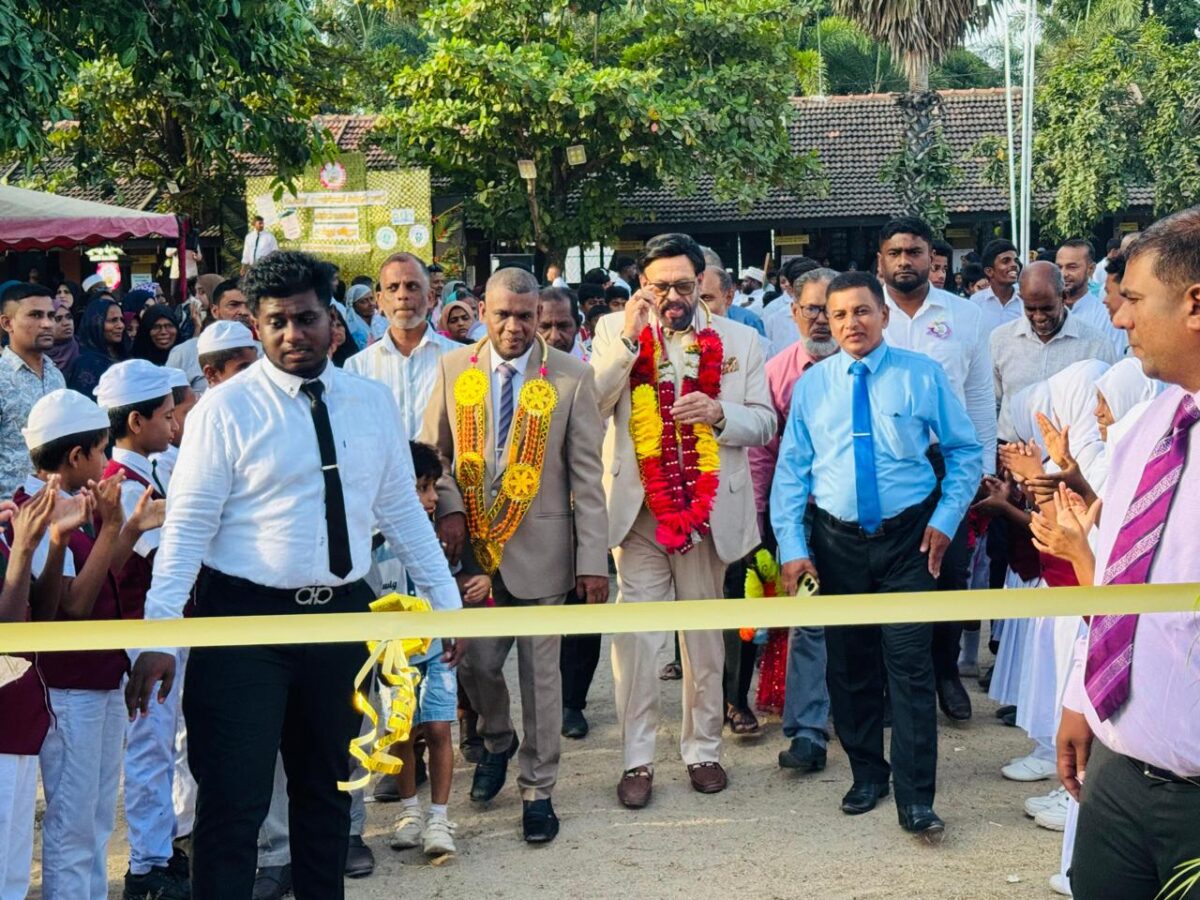
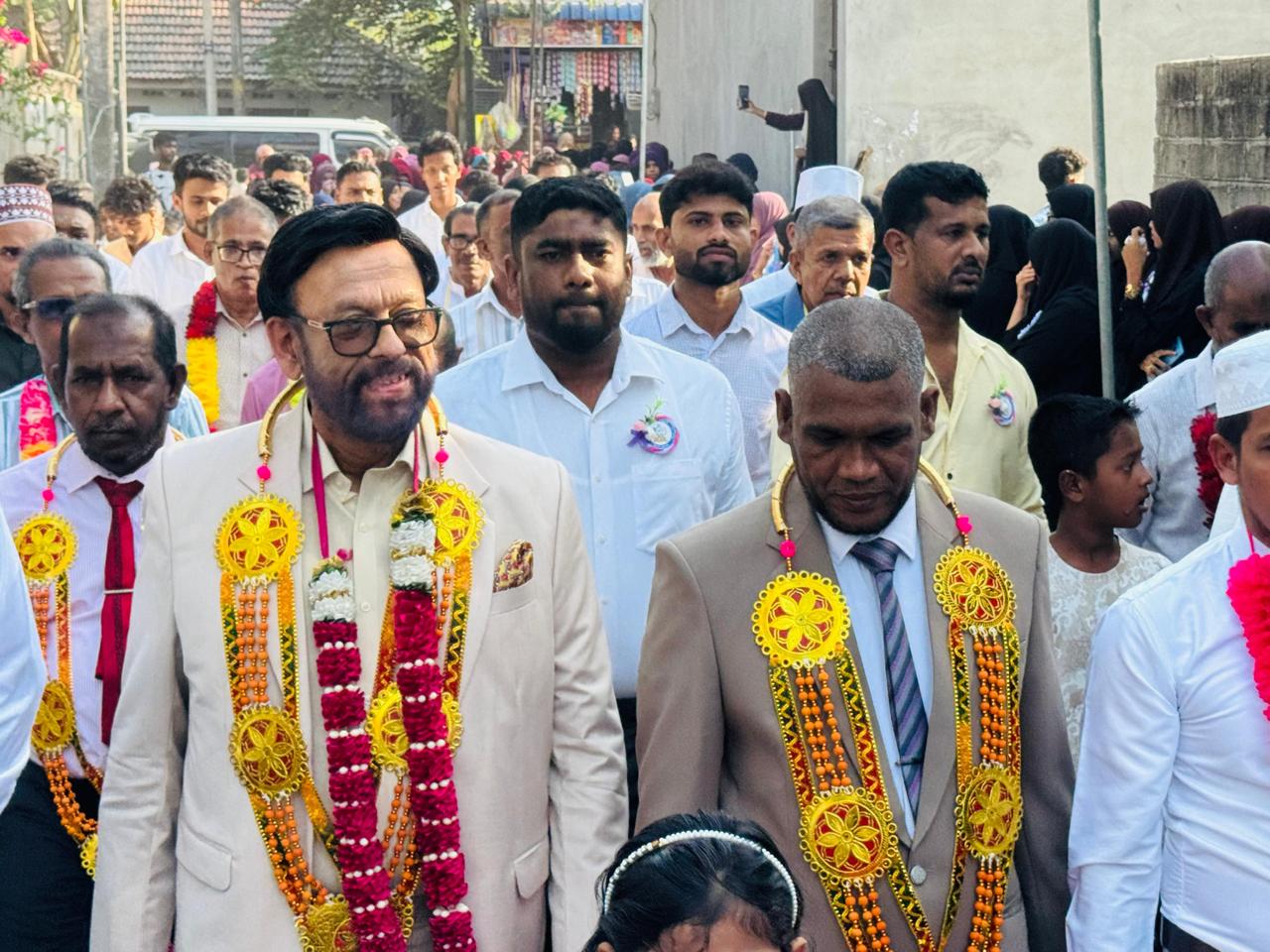
He made these remarks while addressing the Pearl Jubilee Celebration marking the 30th Anniversary of Ayyankeni Abdul Kader Vidyalayam, situated in the Eravur Education Division of the Batticaloa Central Education Zone, where he participated as the Chief Guest.
The ceremony, held under the patronage of the Principal, Mr. A. A. Nasser, was attended by the Eravur Divisional Education Director, Mr. A. L. Abul Hassan, officials of the Department of Education, school principals, teachers, distinguished guests, parents, students and a large gathering of well-wishers.
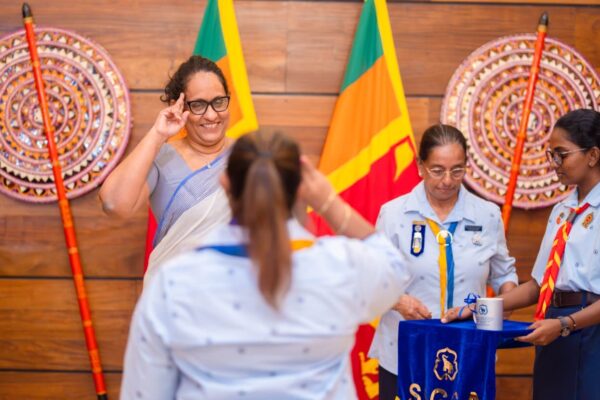
One of the highlights of the event was the special recognition accorded to all those who had served the school over the past three decades as principals, teachers, volunteer teachers and members of the non-academic staff. They were honoured with commemorative mementoes in appreciation of their dedicated service, making it a memorable feature in the school’s history.
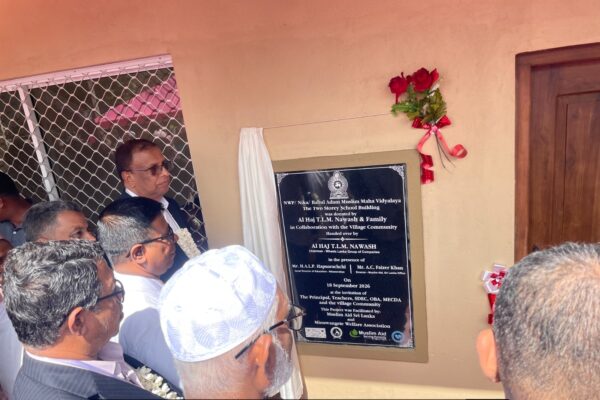
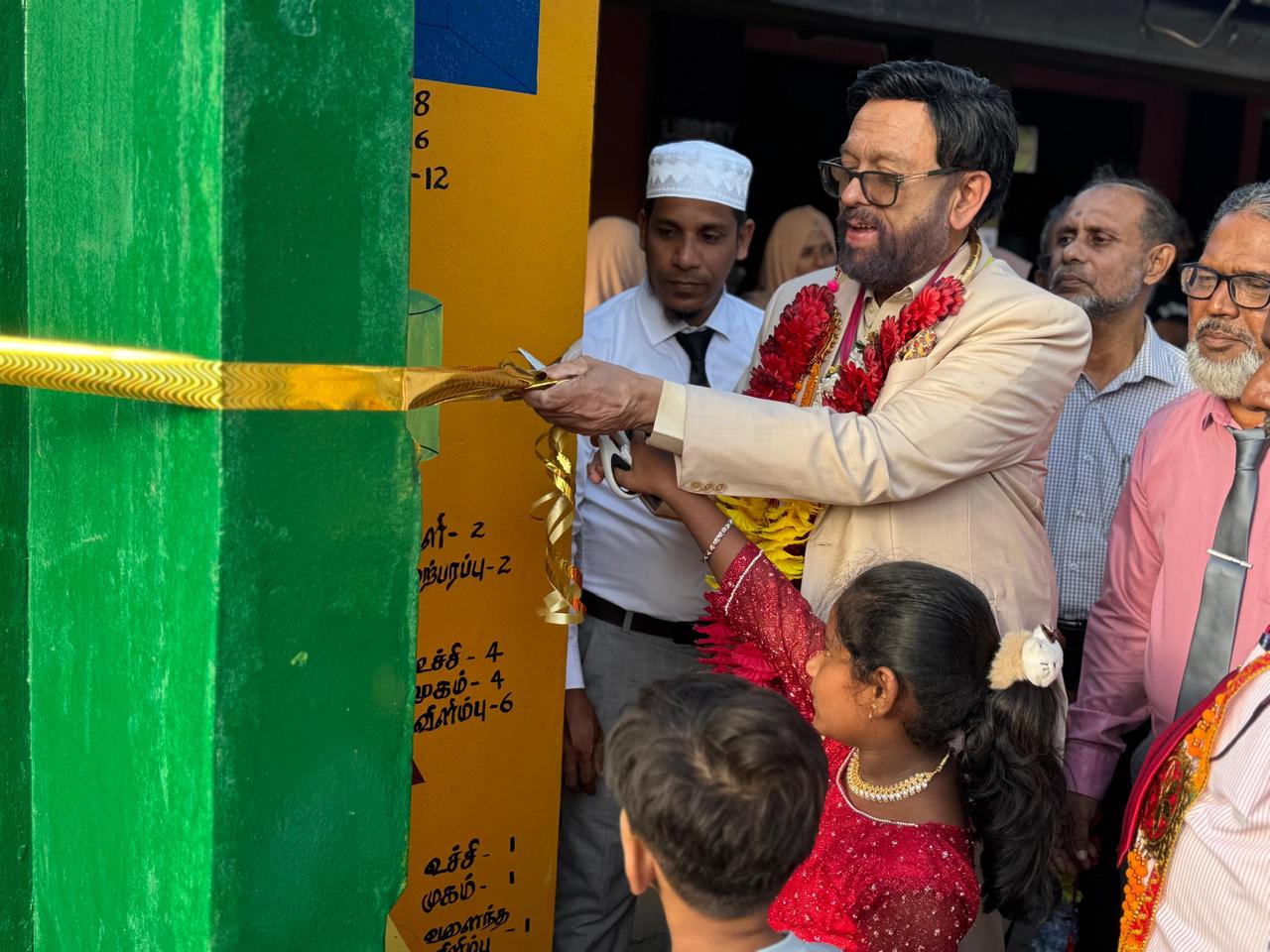
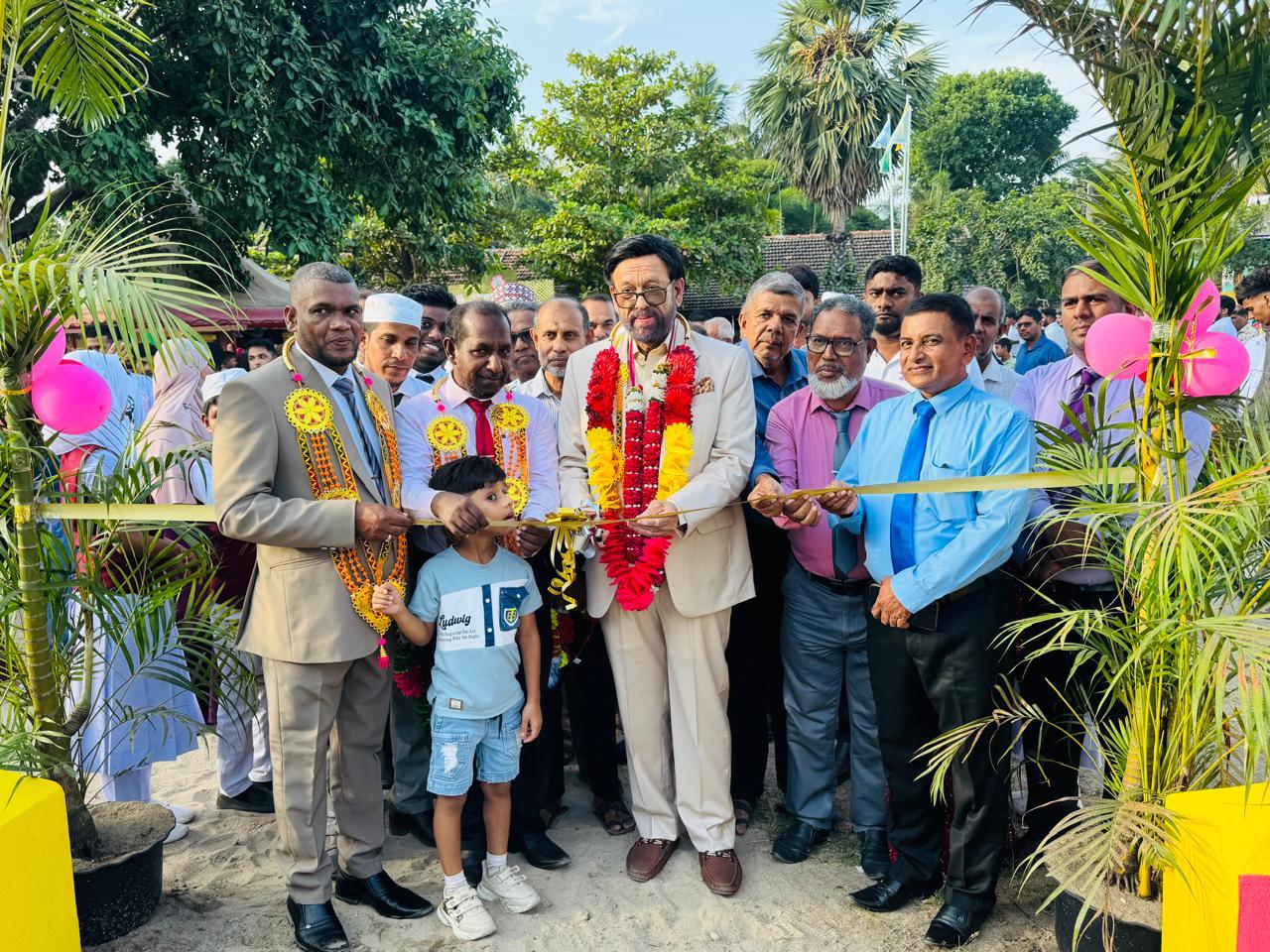
The programme also included the ceremonial opening of the renovated children’s park, the unveiling of educational wall murals, the inauguration of the Mathematics Tower and Smart Classrooms, the investiture of student leaders and class captains, the introduction of the Children’s Environmental Club, the Health Club and the “Clean Sri Lanka” Student Initiative, cultural performances by students, the felicitation of distinguished guests and scholarship-winning students, as well as the presentation of Smart Boards to the school.
Continuing his address, Mr. Moulana commended the Government’s initiative to introduce a new education reform programme, noting that it is encouraging to see Sri Lanka drawing inspiration from the educational experiences and best practices of developed nations.
He pointed out that while many countries around the world have already embraced Artificial Intelligence (AI) and other advanced technologies in education, Sri Lanka cannot afford to remain confined to a purely traditional model of teaching and learning.
However, he expressed concern that the implementation of the current education reforms had generated unnecessary confusion because sufficient awareness had not been created among students, parents and teachers before the reforms were introduced.
“Whenever reforms are introduced in any sector, it is essential that those who will be directly affected are first provided with clear information and proper public awareness. Without such preparation, sudden changes to established systems inevitably create uncertainty and make smooth implementation difficult,” he said.
Referring to the introduction of Smart Boards, Mr. Moulana observed that many members of the public had misunderstood their purpose due to the lack of prior awareness, with some even believing that “teaching cannot take place without a television.” This, he noted, clearly demonstrates the importance of comprehensive public education accompanying any major educational reform.
He expressed the hope that, just as the new education reforms have been introduced this year for Grade One students, they would be progressively extended to Grade Six from next year onwards.
Mr. Moulana further noted that Sri Lanka has traditionally undertaken significant educational reforms approximately once every eight years. Although substantial changes were introduced in 1998, the country’s education system did not fundamentally move away from its traditional framework.
He concluded by emphasizing that while there can be little disagreement on the need for comprehensive educational transformation, such reforms can succeed only if they are accompanied by effective public awareness, stakeholder consultation and systematic preparation. Only then, he said, can meaningful and lasting improvements be achieved in the nation’s education system.