

History
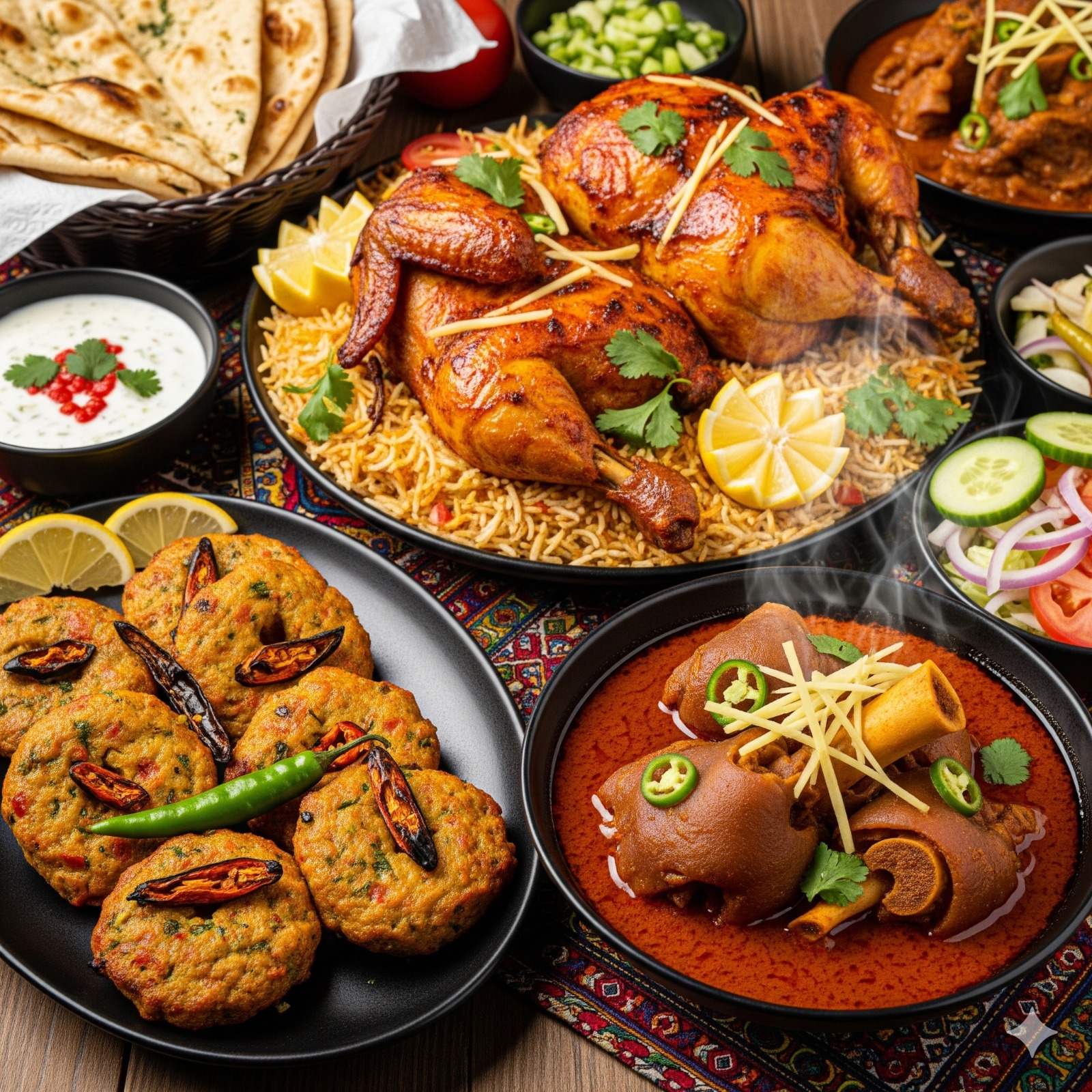
The spreading of the Islam starting in the A.D. 700s, forms the basis of Pakistani cuisine. The Moghul Empire began its ruling in present-day Pakistan around 1526. Its style of cooking, called Mughal, typically includes such ingredients as herbs and spices, almonds, and raisins. Mughal cooking remains an important part of Pakistani cuisine. Foods such as shahi tukra, a dessert made with sliced bread, milk, cream, sugar, and saffron (a type of spice), and chicken tandoori are still enjoyed in the twenty-first century. Chicken tandoori is chicken that is cooked at a low temperature in special large clay ovens called tandoors.
Pakistani foods reflect Irani, Afghani, Persian, and Western influences to give it its own distinct character. These cultures brought different uses of herbs, flavorings, and sauces to Pakistan, transferring ordinary staple foods into unique dishes.
Foods of Pakistanis
Pakistan is divided into four provinces, each with different cultures and regional specialties. For example, machli (fish) and other seafood are delicacies in the coastal Sind province. In Baluchistan, located in western Pakistan, cooks use the sajji method of barbecuing whole lambs in a deep pit. The people living in Punjab are known for their roti (bread) and elaborate cooking preparations. The Pathans, who occupy the Northwest Frontier province, eat a lot of lamb. Their cooking, however, is considered more bland than the other regions. Oven-baked bread eaten with cubes of meat, called nan-kebab, is a favorite Pathan dish.
As a whole, milk, lentils, seasonal vegetables, and flour and wheat products are the most abundant foods, forming the basis of Pakistani cuisine. Chapati is a flat bread made from wheat and is a staple at most meals. It is used to scoop up food in place of eating utensils. Vegetables such as potatoes, cabbage, okra, chickpeas, and peas are eaten according to the season. Dhal is a stew made with lentils, one of the most commonly eaten vegetables.
Pakistan offers many fresh fruits that are most plentiful in the summer and autumn months. Mangoes, papayas, bananas, watermelon, apricots, and apples are some examples. Chiku have the taste of a date and the texture of a kiwi fruit. Many Pakistanis eat their fruit (especially watermelon) with a light dusting of salt to offset the sweetness or tartness.
While these dietary staples may seem bland, Pakistani cuisine is rich with sauces and condiments to spice up their dishes. A variety of spices, such as chili powder, curry, ginger, garlic, coriander, paprika, and cinnamon, are at the heart of Pakistani cuisine. A wide range of chutneys (a relish usually made of fruits, spices, and herbs), pickles, and preserves that accompany meats and vegetables give Pakistani cuisine its distinct flavor.
There are a number of ways meat is prepared in Pakistan. Karahi is a method where the meat is cooked with vegetables and served in its own pan. Jalfrezi is meat stir-fried with tomatoes, egg, and chilies. Tikka and bhoti kebab both refer to meat grilled on a spit (a slender rod or skewer) over an open fire.
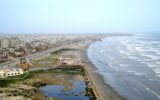
On Tuesdays and Wednesdays, mutton (sheep) and beef are not supposed to be sold or served in public places in Pakistan (although the reason for this is considered economic, not religious). Seafood and machli (fish) are commonly eaten in Karachi, located on the coast of the Arabian Sea.
There are a number of foods to cool off the spicy flavors of a Pakistani meal. Dãi (yogurt) can be eaten plain or used in lassi. Lassi is a drink made with yogurt, ice, and sugar for breakfast, or salt for lunch or dinner. Raita is a yogurt curd with cumin and vegetables. Baked yams and sita (boiled or roasted corn on the cob) may also accompany a spicy dish.
Mealtime Customs
Nihari derives its name from the Urdu word nihar, which means “morning.” A nihari breakfast in Pakistan can be very filling. Nehari (stewed beef), and mango are common breakfast items. Sometimes a dish made of meat cooked with chilies and other spices is cooked overnight to be consumed for breakfast the next morning, when it is eaten with naan, a type of bread, or parata, which is a flat cake fried in oil.
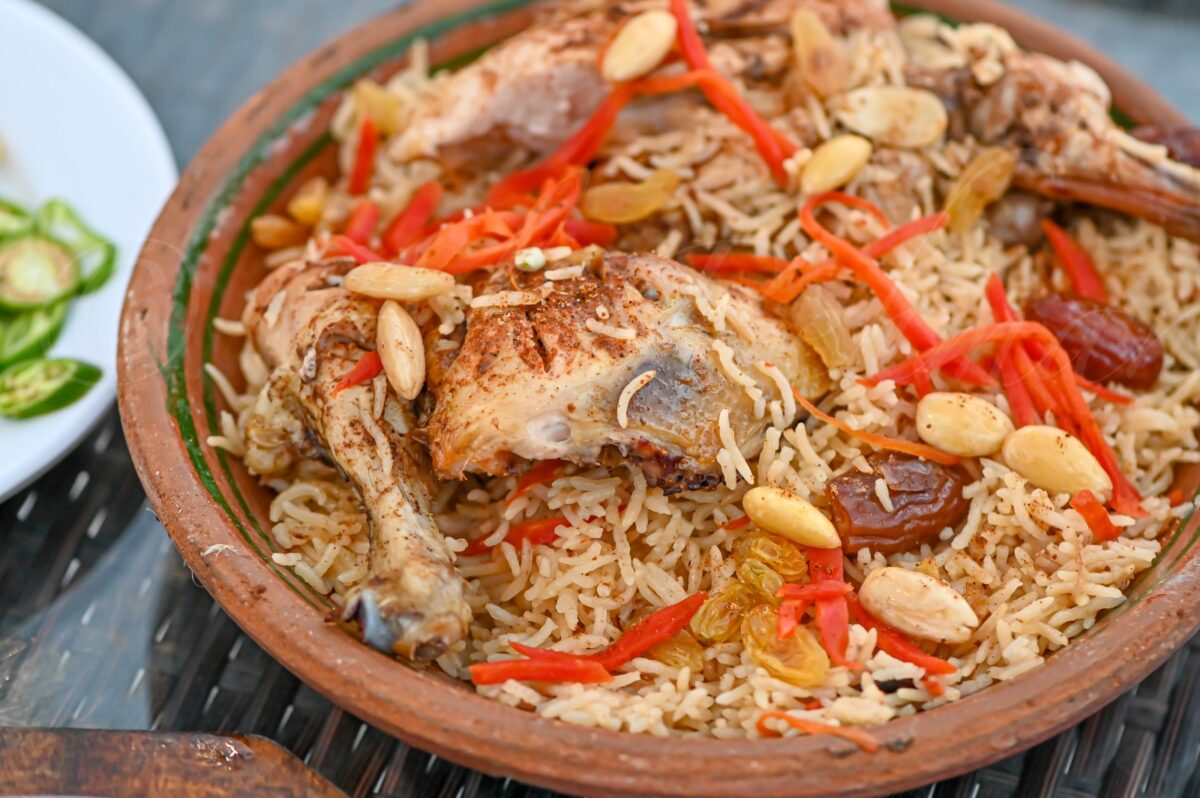
Pakistani lunch and dinner dishes are similar. Roti (bread), chawal (rice), sabzi (vegetables), and gosht (meat) are the main elements of a meal. Chapatis or naan accompanies every meal. Rice is usually boiled or fried. Some rice dishes include kabuli pulau, made with raisins, and biryani, rice cooked in a yogurt and meat sauce. For the main dish, qorma (meat curry in gravy), qofta (lamb meatballs), or nargasi qofta (minced beef and egg) might be served. Water may be offered at the beginning or after a meal to quench thirst, but rarely while eating.
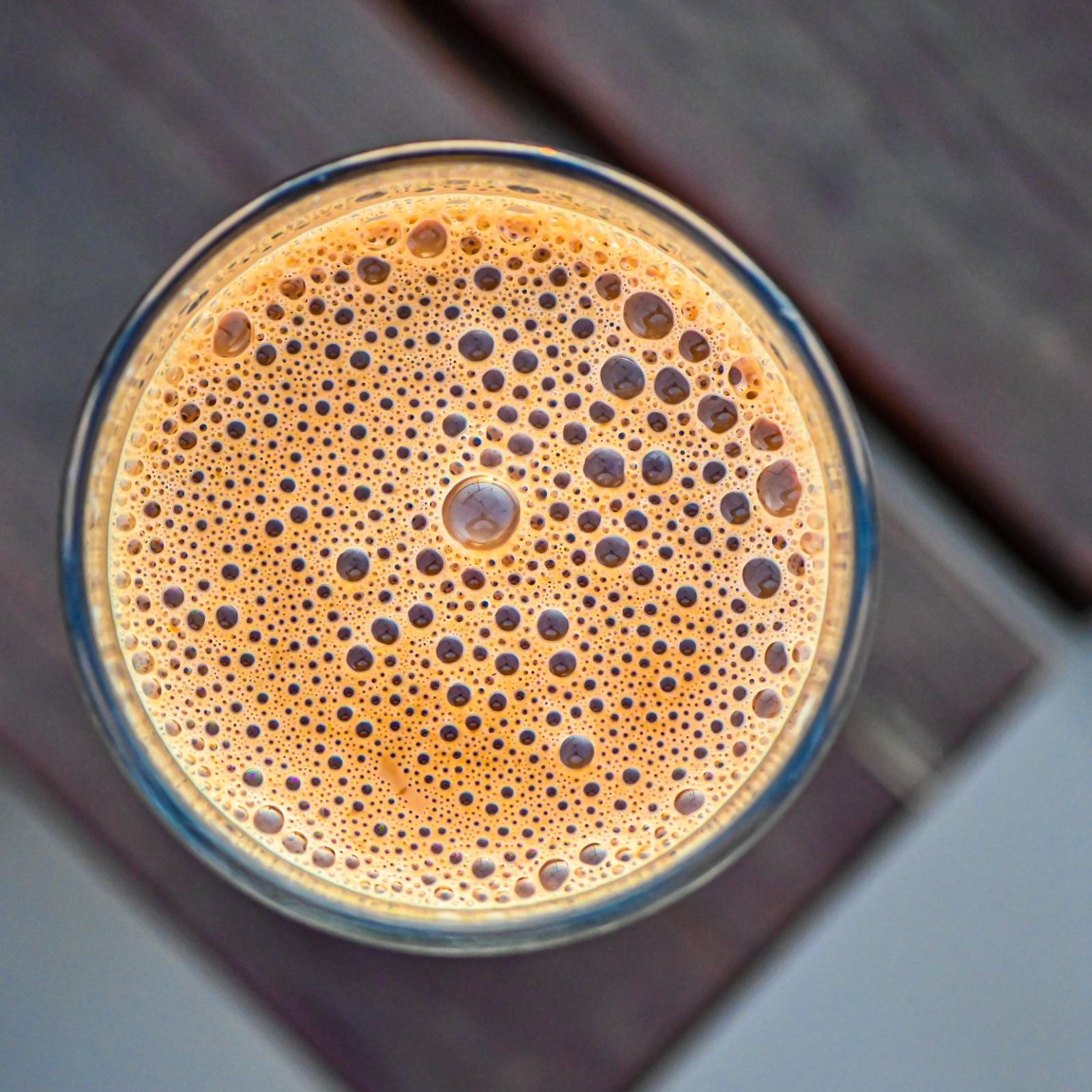
Street vendors offer a variety of drinks and snacks. Chai, or tea, is a very popular drink. It is usually boiled with milk, nutmeg, and sugar. Lassi (a yogurt drink) and sugarcane juice are popular during the summer months. Another refreshing summer drink is nimbu paani, or “fresh lime.” It is made of crushed ice, salt, sugar, soda water, and lime juice. Samosas are deep-fried pastries filled with potatoes, chickpeas, or other vegetables and are a popular snack. Other snacks are tikka (spicy barbequed meat) and pakoras (deep-fried vegetables).