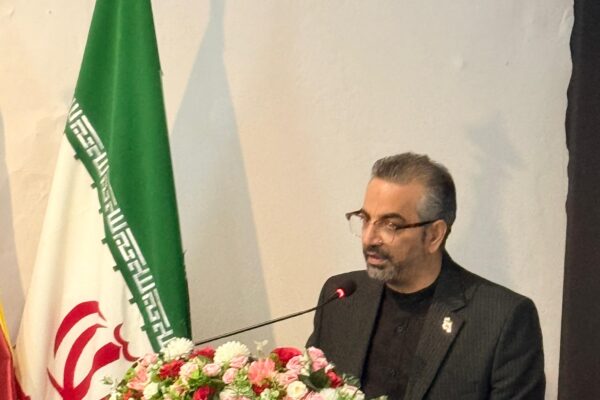

Major General (R) Faheem Ul Aziz, HI (M)
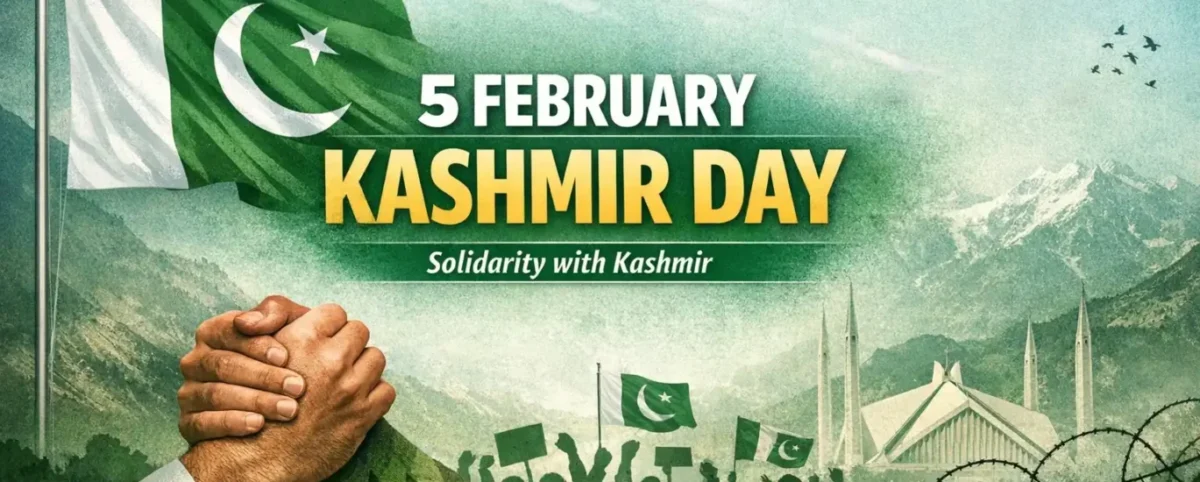
COLOMBO : As the world marks February 5, 2026, Kashmir Solidarity Day stands as a powerful testament to the enduring resilience of 9 million Kashmiris living under foreign occupation. This day is not merely an annual ritual; it is a global alarm bell reminding the international community that the Jammu and Kashmir dispute remains one of the oldest items on the United Nations Security Council (UNSC) agenda. In an era where the world champions the rule of law and human rights, the people of Indian Illegally Occupied Jammu and Kashmir (IIOJK) continue to be denied their most fundamental right: the right to self-determination.
The crisis reached a critical juncture following the illegal and unilateral actions of August 5, 2019. Since then, the region has been transformed into what many observers describe as the world’s largest open-air prison. With nearly 900,000 occupation forces deployed, the territory is characterized by draconian laws that provide total impunity for Indian Occupation Forces. The post-2019 era has seen an intensified campaign of demographic engineering, with over 4.2 million domicile certificates issued to non-locals in a blatant attempt to erase the Kashmiri identity and turn the indigenous majority into a minority within their own land.
Pakistan continues to serve as the primary diplomatic voice for the Kashmiri people, rooted in deep-seated ethnic, religious, and geographical ties. The resolution to this conflict is not a mystery; it is clearly stipulated in UN resolutions that call for a free and fair UN supervised plebiscite. Despite India’s initial acceptance of these terms, decades of reneging on international commitments have led to a tragic cycle of repression.
Indian State Terrorism against Kashmiris is well documented by human rights, humanitarian organizations as well as international media. The reign of terror by Indian troops since January 1989 has resulted in the martyrdom of over 96,306 Kashmiris. This systematic violence has left 22,973 women widowed and 107,955 children orphaned. The report further highlights a harrowing record of human rights abuses, including 11,264 documented cases of rape and molestation by Indian personnel, and the destruction of over 110,510 residential houses and structures. Thousands of young men have been subjected to forced disappearances and custody torture under the guise of security operations, targeting Kashmiri youth and extrajudicial killings have become a norm in the disputed region.
On this Kashmir Solidarity Day, the message to the world is clear: silence is complicity. The international community must move beyond rhetoric and exert concrete pressure on India to halt its human rights violations, reverse the illegal measures of 2019 and grant Kashmiris their right to self-determination as enshrined in UN security council resolutions. Peaceful resolution of Jammu and Kashmir dispute is litmus test of humanity and international community’s global conscience. The struggle of the Kashmiri people is a struggle for the soul of international justice, and the time for that justice long overdue ( The writer is the Pakistan high commissioner in COLOMBO )
February 5, 2026