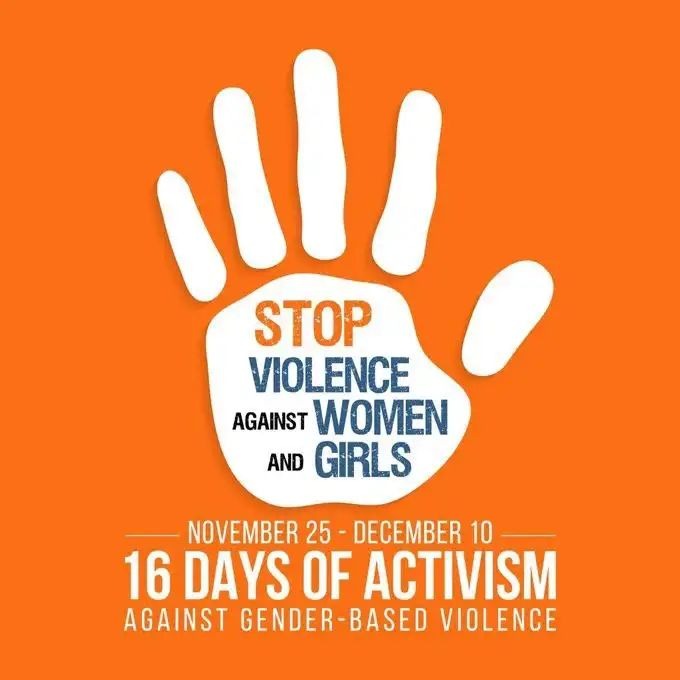


COLOMBO :Statistics can feel distant. A percentage on a page is easy to read and just as easy to forget. But behind every figure in this article is a woman who woke up, went to work, cared for her family, and carried something heavy that most people around her never saw.
One in five
Sri Lanka’s 2019 National Women’s Wellbeing Survey found that one in five ever-partnered women (20.4%) has experienced physical and/or sexual violence from an intimate partner during her lifetime. Think of five women you know: a neighbour, a colleague, a cousin, a teacher. The survey tells us that, statistically, one of them may have lived through this.
Two in five
The picture widens when we look beyond physical and sexual violence. Two in five women (39.8%) have experienced physical, sexual, emotional or economic violence, or controlling behaviours. This matters because abuse does not always leave a bruise. It can look like a partner who controls the household money, decides who she can see, or wears down her confidence until she stops trusting her own judgement. These forms of harm are real, even when they are invisible to everyone else.
What the numbers cannot show
Surveys count what women are willing and able to tell us. That is worth remembering, because many women do not speak at all. The figures are best read as the minimum, not the full story.
Nor do they capture the daily cost: the children who grow up watching, the careers put on hold, the health that suffers, the years spent managing fear. Violence rarely ends with a single act. It shapes entire lives and, often, entire families.
Why the numbers should move us
Numbers like these should do more than shock us. They tell us the problem is not rare, not confined to one community, and not a private matter behind closed doors. When one in five women is affected, it is a national concern, and a national responsibility.
They also give us something to measure. UNFPA’s Phuntsho Wangyel puts it well: success will be defined when fewer women experience violence and when survivors can seek help without fear. Those are goals we can track, year after year.
Looking ahead
There is one more figure in this survey that deserves its own attention. Nearly half of the women who survived sexual violence by a partner never sought formal help. Tomorrow, we ask why survivors stay silent, and what stigma, fear and blame have to do with it.
A figure is a person
The next time you see “20.4%”, try to see a person rather than a percentage. Behind it is someone who deserves to be believed, protected and supported. Numbers open our eyes. What we do next is up to us