COLOMBO : A hospital should be a place of healing, not somewhere patients and their families are made to feel helpless, humiliated and afraid.
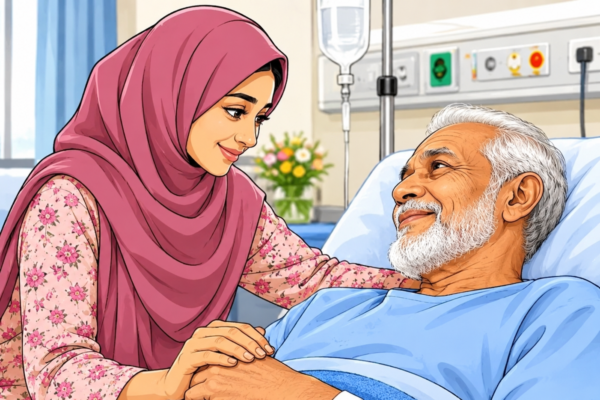
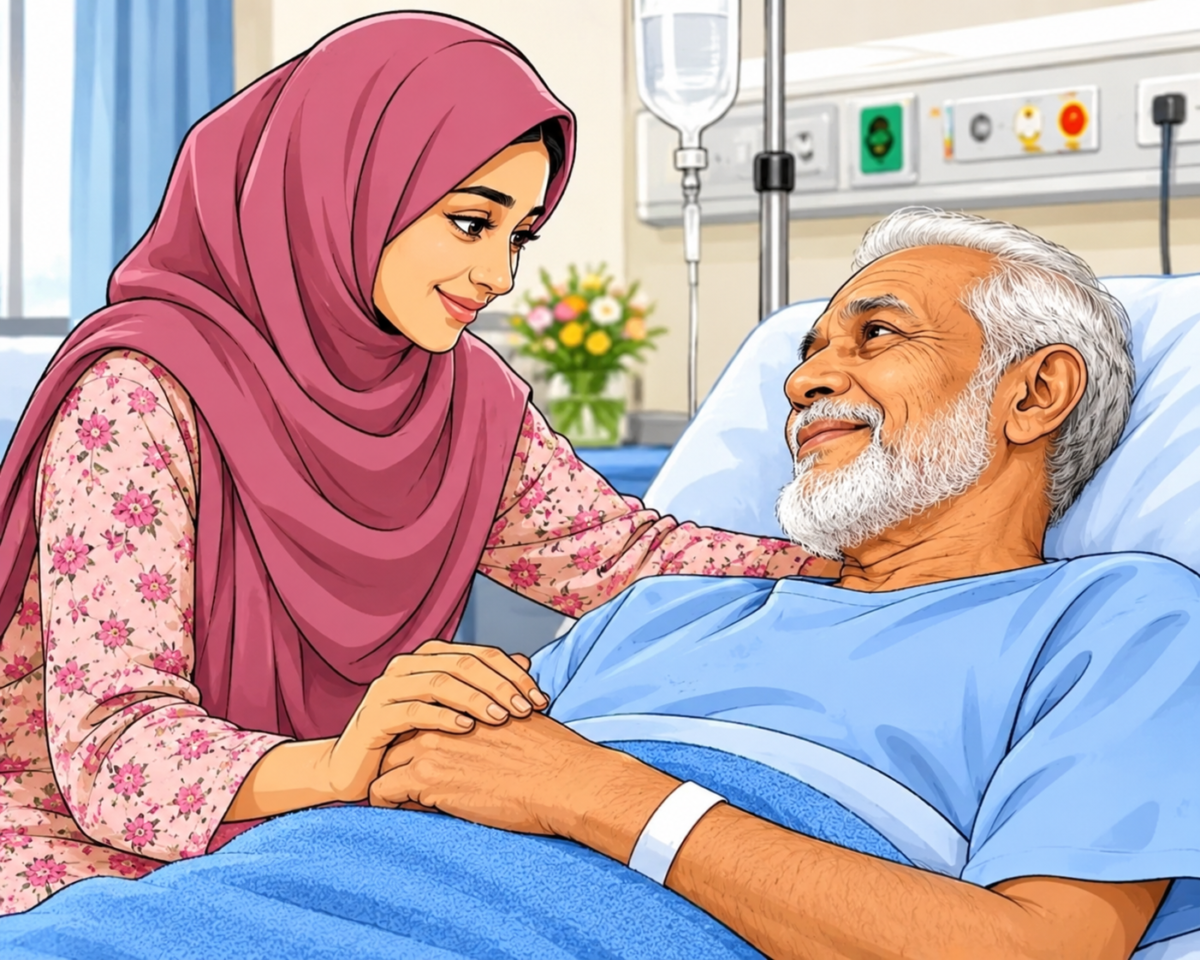
I write this not merely as a disappointed citizen, but as a daughter who watched her critically ill father fight for his life at the National Hospital of Sri Lanka. What I witnessed during his hospitalisation left me questioning the standards of hygiene, patient safety and, most importantly, the compassion that should be at the heart of healthcare.
Sri Lanka’s free healthcare system is undoubtedly one of our country’s greatest achievements. Thousands depend on it daily, and many dedicated healthcare professionals work tirelessly under challenging circumstances. Their service deserves recognition. However, free healthcare should never mean compromising a patient’s dignity or safety.
Free healthcare is not charity. It is a public service funded by taxpayers, and every citizen deserves to be treated with respect.
When Basic Hygiene Becomes a Concern
One of my greatest disappointments was the appalling condition of the hospital’s bathroom facilities. The lack of cleanliness was deeply disturbing, particularly in an environment where patients are already vulnerable to infections.
How can a hospital promote healing when its most basic sanitary facilities are poorly maintained? Clean toilets, proper waste disposal and hygienic surroundings are not luxuries. They are fundamental necessities.
A Few Kind Words Can Heal More Than We Realise
Equally troubling was the attitude displayed by certain hospital attendants, nursing staff and even some doctors. While many healthcare workers serve with dedication, others appeared to lack the most basic compassion when communicating with frightened patients and their families.
Do they realise that the people standing before them are often exhausted, terrified and desperately hoping their loved ones will survive?
A kind word may not cure an illness, but it can comfort a frightened patient and give an anxious family the strength to face another day.
What concerned me further was the apparent disregard shown towards some economically disadvantaged patients. Receiving treatment free of charge does not make anyone inferior.
No patient should be spoken to harshly or made to feel that they are receiving a personal favour.
A Journey to Surgery I Will Never Forget
My father was admitted to Ward 41, near Norris Canal Road, accessible through Gate 5, in a life-threatening condition. He required continuous oxygen support.
At one point, he had to be transferred to an operating theatre near Kynsey Road. What followed was one of the most terrifying experiences of my life.
My critically ill father was wheeled along an outdoor road on a stretcher with an oxygen cylinder. We, his family members, were also asked to help push the stretcher.
It was raining.
During the journey, his oxygen mask became dislodged several times, and his oxygen saturation levels began to drop.
I genuinely thought my father might die before we even reached the operating theatre.
Imagine watching your father struggle for his life while being transported through the rain, desperately hoping his oxygen mask would remain in place.
Following surgery, he was brought back along another outdoor passageway where garbage was present.
I could not understand how such arrangements were considered appropriate for a critically ill patient.
Was there no safer, sheltered route? Were adequate precautions taken to maintain his oxygen supply and monitor his condition throughout the transfer?
These are questions that deserve answers.
Patients Are People, Not Bed Numbers
Healthcare professionals encounter illness, suffering and death every day. What may seem like another routine admission to them could be the most devastating experience of a family’s life.
That patient lying in a hospital bed is someone’s father, mother, husband, wife or child.
My father was not merely another patient in Ward 41. He was someone deeply loved, and every moment of his suffering mattered to us.
I recognise the pressures faced by Sri Lanka’s public hospitals, including overcrowding, limited resources and demanding working conditions. However, these challenges cannot justify poor sanitation, disrespectful communication or potentially unsafe patient transfers.
I urge the Ministry of Health and the National Hospital administration to investigate these concerns, improve sanitation, establish safer patient-transfer procedures and ensure that every member of staff understands the importance of treating patients and families with dignity.
Healthcare Without Humanity Is Incomplete
My father has since passed away.
Nothing I write can bring him back. Nor am I suggesting that the incidents described caused his death, as he was already critically ill.
But I can speak about what I witnessed, the fear I experienced and the questions that remain unanswered.
I write because somewhere in that same hospital, another daughter may be standing beside her critically ill father. Another mother may be pleading for information about her child. Another family may be silently enduring treatment they believe they have no right to question.
They deserve better.
Sri Lanka has every reason to be proud of its free healthcare system. But that pride must be accompanied by accountability, compassion and a willingness to address its shortcomings.
The true measure of a healthcare system is not merely how many lives it treats, but how safely, respectfully and compassionately it treats them.
Patients are not asking to be treated like royalty. They are simply asking to be treated like human beings.
From – F.N. Shazia Ihthisam