



Naveed Aman Khan
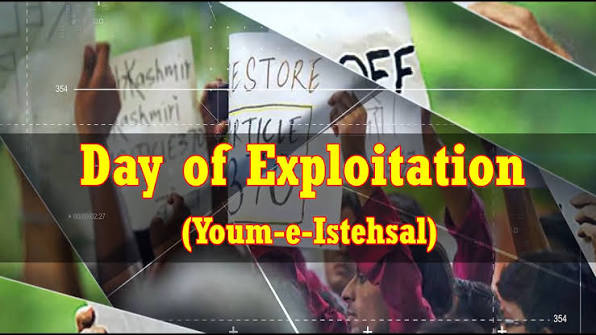
COLOMBO : On 5 August 2026, Pakistan will observe Yom-e-Istehsal (Day of Exploitation) to mark seven years since India revoked the special constitutional status of Indian Illegally Occupied Jammu and Kashmir (IIOJK) through the abrogation of Articles 370 and 35A of its Constitution. For Pakistan, the date is far more than a symbolic remembrance. It represents what Islamabad views as a watershed moment that fundamentally altered the political, demographic and constitutional character of the disputed territory in violation of international law and United Nations Security Council resolutions. Seven years later, the observance continues to serve as a reminder that, despite changing geopolitical priorities and shifting global alliances, the Kashmir dispute remains unresolved and continues to shape regional stability.
The events of 5 August 2019 marked an unprecedented departure from the internationally recognised status of Jammu and Kashmir. By dissolving the region’s limited autonomy, dividing it into federally administered territories and introducing new domicile laws, India sought to integrate the territory fully into its federal structure. Pakistan argues that these measures were unilateral and therefore incapable of altering the disputed status of Kashmir, which remains subject to UN resolutions calling for the people of Jammu and Kashmir to determine their own future through a free and impartial plebiscite.
Yom-e-Istehsal is not merely a political observance but an expression of Pakistan’s diplomatic narrative that the legal status of Kashmir cannot be changed through constitutional amendments or administrative decrees. Pakistan maintains that no domestic legislation enacted by India can override international commitments or extinguish the right of self-determination recognised under international law. This legal argument has remained the cornerstone of Pakistan’s Kashmir policy since 1947.
The humanitarian dimension occupies an equally central place in Pakistan’s position. Pakistan contends that the years following August 2019 have witnessed prolonged restrictions on civil liberties, tighter security measures, limitations on political activity, communication blackouts and restrictions affecting journalists and civil society organisations. Such policies have deepened alienation among Kashmiris rather than fostering peace or political reconciliation. The durable stability cannot emerge through security-centric governance alone but requires meaningful political engagement with the people of the region.







Recent Comments