


A.M.M.Muzammil
COLOMBO “Negotiating with a wolf will never save the sheep nor secure peace; it only fixes the date for the next slaughter,” warned Aisha Gaddafi, daughter of Muammar Gaddafi, now living in exile in Oman. Now widely circulating, her stark words carry a chilling resonance in the present hour.
As the United States and Israel intensify their military onslaught against Iran, her warning echoes as a grave reminder: appeasing predatory power does not avert catastrophe — it merely postpones it, often at far greater human cost.
In a determined effort to prevent escalation, Badr Albusaidi, Foreign Minister of Oman, engaged in urgent diplomacy. He publicly affirmed that Iran had agreed to zero stockpiling of uranium, rendering enrichment levels largely moot, and had further consented to convert its existing stockpiles into fuel — a significant confidence-building concession aimed at de-escalation.
Yet despite this optimism and Oman’s eleventh-hour diplomatic push to forestall potential U.S. strikes, military action ultimately prevailed. In the aftermath of the joint U.S.–Israeli bombing raids of 28 February, many saw the stark embodiment of Aisha Gaddafi’s warning: trusting in the wolf’s restraint may only hasten the sheep’s fate.
Donald Trump secured the presidency on an emphatic anti-war platform, portraying himself as a “president of peace” who would resist new foreign entanglements and recalibrate America’s global posture. Yet following his return to office, that posture shifted dramatically.
On June 22, 2025, U.S. forces launched bunker-buster strikes on Iran’s key nuclear facilities — Natanz Nuclear Facility, Fordow Fuel Enrichment Plant, and Isfahan Nuclear Technology Center. Coordinated with Israel, the strikes marked one of the most consequential escalations in recent years, reigniting fears of broader regional war.
Simultaneously, President Trump — who maintained a documented social association with convicted sex offender Jeffrey Epstein until the early 2000s — faced renewed scrutiny following the release of thousands of documents related to the Epstein case. An extensive review by The New York Times identified more than 5,300 files containing over 38,000 references to Trump and related terms, intensifying political and media pressure.
Amid mounting demands for transparency, Trump appeared to seize upon military escalation as a means of commanding the national spotlight. In a move aligning with the long-standing objectives of Israeli Prime Minister Benjamin Netanyahu, he escalated action against Iran — a gambit seemingly designed to drown personal and political crises in the thunder of war.
But the wager on regime change spectacularly backfired. The bombing of 28 February not only failed to dismantle Iran’s nuclear infrastructure or decapitate its leadership, it strengthened Tehran’s internal cohesion. Instead of sowing fear or division, the strikes galvanized public resolve and mobilized the Revolutionary Guard, setting the stage for swift and calculated retaliation.
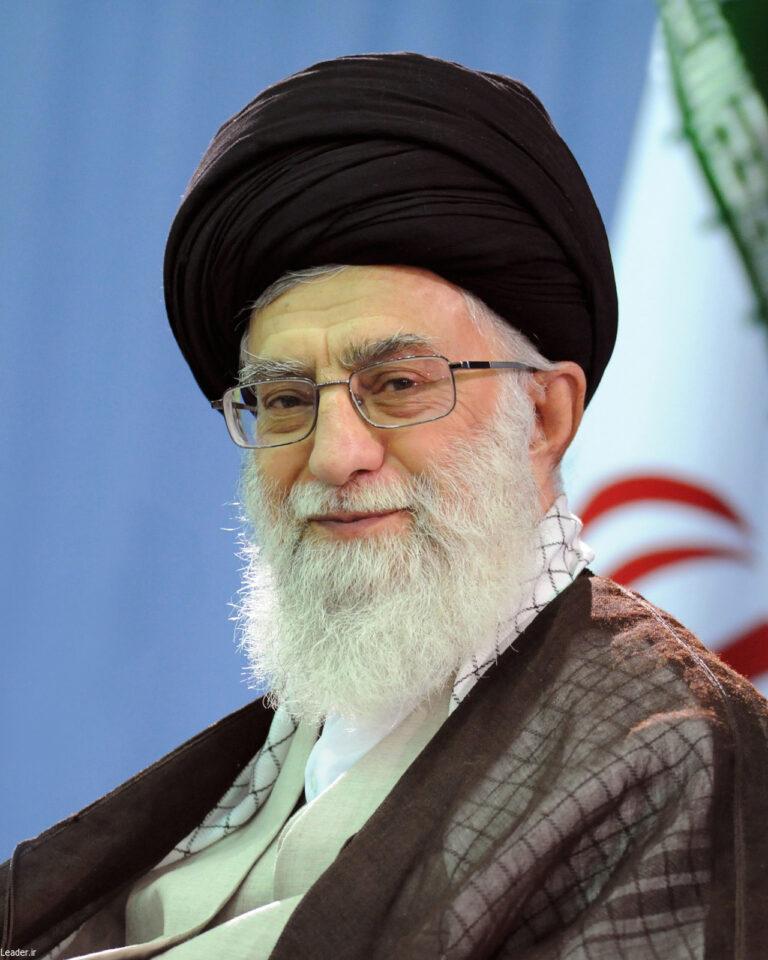
Trump seemed to labor under the illusion that the assassination of Ayatollah Ali Khamenei would unravel the Iranian state — that defectors, quietly backed by Mossad, would topple the clerical order overnight, and that the Islamic Revolutionary Guard Corps would fracture without direction. It was a profound miscalculation.
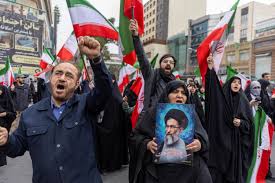
What Trump failed to grasp is that the name of Ayatollah Ali Khamenei cannot be erased. His legacy is etched indelibly in the hearts and minds of the Iranian people, destined to endure for generations. Rather than collapsing, Iran steeled itself. Khamenei’s martyrdom solidified public resolve, uniting disparate factions in shared defiance.
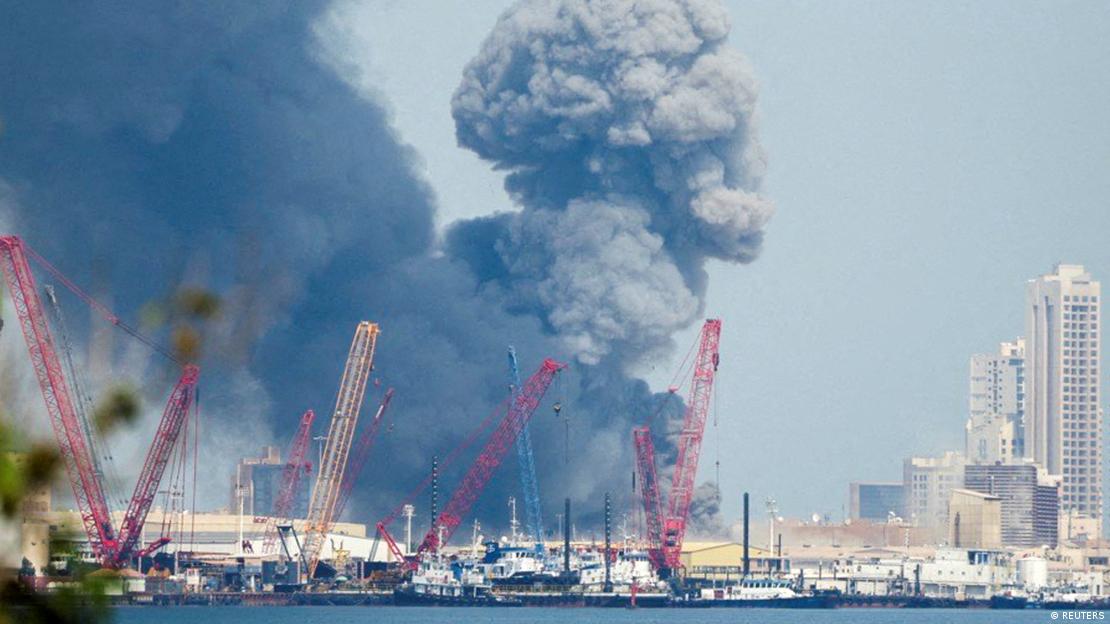
The Revolutionary Guard, alongside conventional forces, swiftly assumed a retaliatory posture. Successive waves of ballistic missiles and drones struck Israeli positions and U.S. assets across the region, with explosions reverberating throughout the Persian Gulf.
Instead of imploding, Iran hardened. Khamenei’s martyrdom galvanized public resolve, binding factions into shared defiance. The Revolutionary Guard, alongside conventional forces, swiftly adopted a retaliatory posture. Waves of ballistic missiles and drones targeted Israeli positions and U.S. assets across the region, with explosions reverberating along the Persian Gulf.
In Bahrain, authorities reported a missile strike on a facility linked to the U.S. Navy’s Fifth Fleet. Saudi Arabia and Qatar activated air-defense systems as projectiles crossed their skies, underscoring the vulnerability of Gulf infrastructure. Reports also cited strikes targeting U.S. facilities in Oman and a British Royal Air Force base in Cyprus, widening the arc of confrontation.
Far from precipitating regime change, the strikes ignited a wider and more perilous regional conflagration.
With due apology to Isoroku Yamamoto, who planned the attack on Pearl Harbor, one might paraphrase his famous warning: Benjamin Netanyahu and Donald Trump have awakened a sleeping giant — Iran.


