



NELUM BUDDHADASA
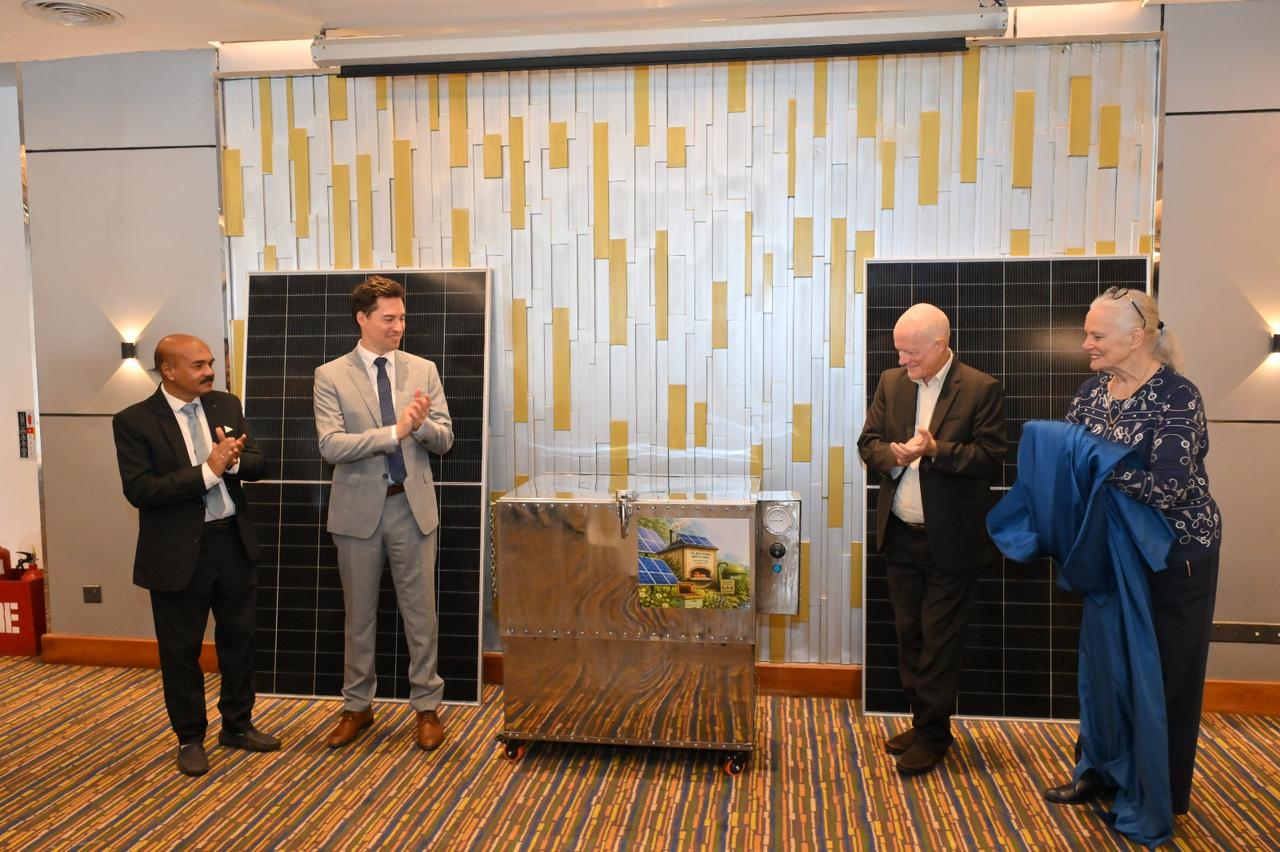
COLOMBO : At a media launch held on 22nd May at the Cinnamon Lakeside , Sri Lanka became the first country in South Asia to unveil a solar hybrid bakery oven, designed with both solar and biogas energy sources to ensure uninterrupted operation even during unpredictable weather conditions. The event was hosted by Incitare Sri Lanka and the Global Rethinking Finance Collaborative (GRFC), in strategic collaboration with German Tech Kilinochchi, and was graced by H.E Mr. Olivier Praz, Deputy Head of Mission at the Embassy of Switzerland to Sri Lanka and Maldives, and Mr. Fabio Germano, Representative of GIZ Sri Lanka.
The initiative marks South Asia’s first deployment of this European clean technology, replacing fossil-fuel baking with solar and biogas-powered alternatives while supporting sustainable livelihoods and multiple UN Sustainable Development Goals. Ms. Beris Gwynne, Founder and CEO of Incitare International and GRFC, whose relentless drive brought this initiative from a bold and innovative idea to a functioning reality on Sri Lankan soil, delivered a passionate welcome address: “We are ready to present a hybrid solar oven that we believe has serious potential not only for communities, bakeries, eco-tourism establishments, but also for training institutions, to be able to reduce the carbon footprint, producing products that reduce imports reliance and potentially establish a new field of export industry.”
Ms. Cheryl Arndt, Country Director for Sri Lanka at Incitare International, highlighted that the achievement stems from years of collaborative, proactive community effort. She noted that Sri Lanka has proven sustainable livelihoods and clean energy are a present reality, not just future aspirations.Launched in March 2025 through a government-led national stakeholder dialogue, the initiative established three key partnerships to donate solar ovens, develop low-cost local models, and expand sustainable livelihoods for vulnerable communities.
GIZ Sri Lanka Representative Fabio Germano commended the partnership between Incitare International, GIZ, and the Sri Lanka-German Technical Training Institute (SLGTTI) in Kilinochchi, celebrating the successful local manufacturing and delivery of the solar technology. “It is a pleasure and honour to be part of this partnership with Incitare International, GIZ Sri Lanka, and the Sri Lanka-German Technical Training Institute (SLGTTI) in Kilinochchi. My sincere thanks to Ms. Beris and Ms. Cheryl for the invitation. Seeing the finished product here today, after months of effort and a journey all the way from Kilinochchi, is truly rewarding.”
H.E Mr. Olivier Praz, whose embassy has consistently supported vocational training and sustainable livelihood development in Sri Lanka, noted: “Solar usage in Sri Lanka remains comparatively low, accounting for less than 12 percent of the energy mix over the past three to four years, against more established sources such as water and coal.” H.E. Mr. Praz went on to outline three compounding challenges affecting Sri Lanka’s energy supply. The first is supply disruption stemming from instability in the Middle East, which has driven fuel prices up on three separate occasions in recent months, compounded by the country’s limited storage capacity of only two to three months. The second is the importation of low-quality coal, which has undermined generation reliability. The third is insufficient rainfall over recent months, which has reduced hydropower output and further strained an already constrained storage situation.
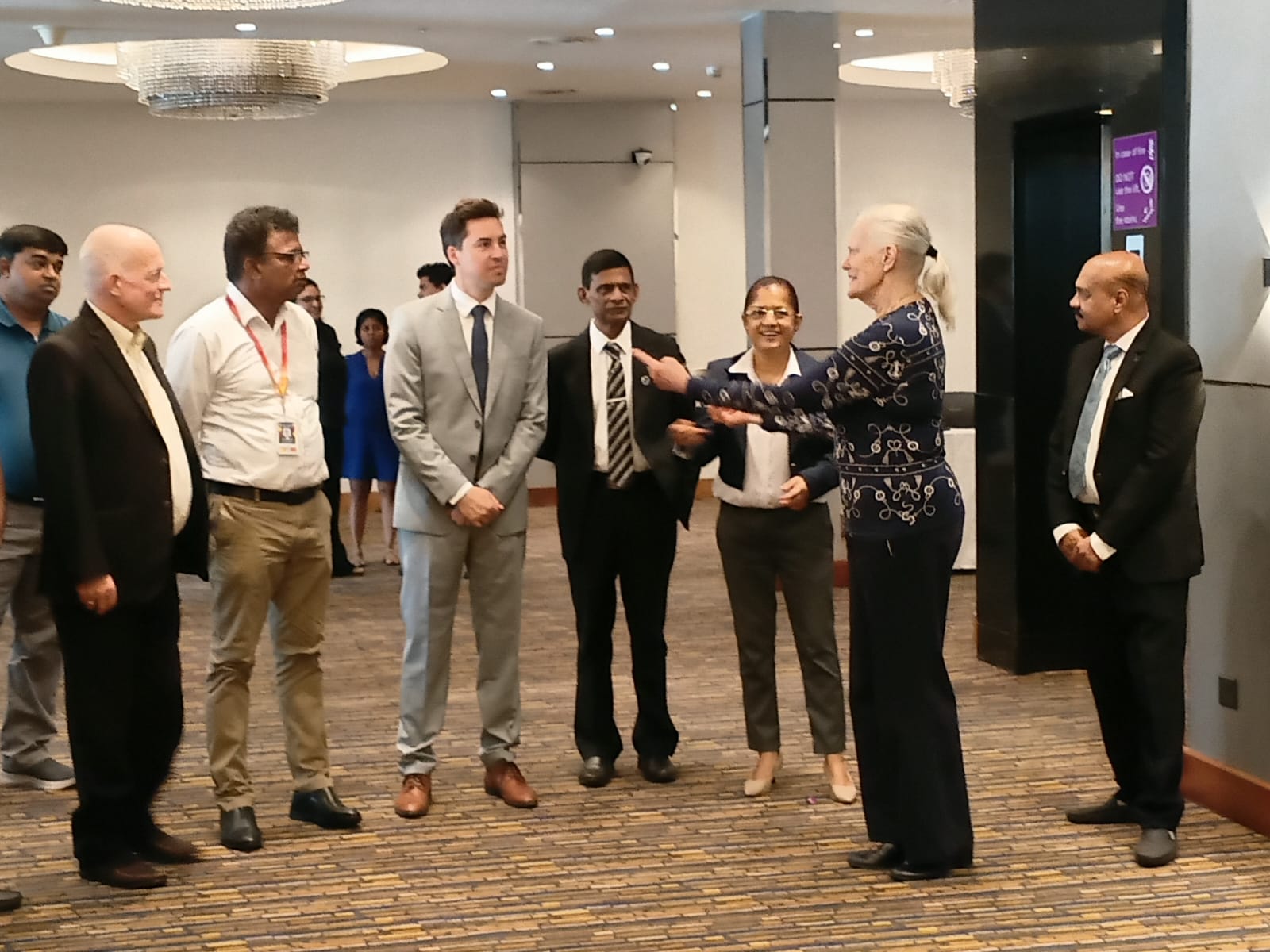
To recognize this momentous achievement, certificates were awarded by the chief guests at the media launch to the contributing teams from SLGTTI and Incitare who brought the initiative from concept to reality. Incitare International is a Swiss and Australian-registered collaborative platform headquartered in Geneva, founded by Ms. Beris Gwynne to bring futures thinking and values-driven collaboration into global development, humanitarian systems, and public-private partnerships. German Tech Kilinochchi, the vocational training institution in Sri Lanka’s Northern Province, and GIZ Sri Lanka, the German development agency, were key implementation partners in making this milestone possible.


