


GAMPOLA, – A massive humanitarian operation led by the Sri Lanka Jama’athe Islami (SLJI) in Gampola has reached a critical milestone, successfully moving nearly 1,000 families toward resettlement following devastating floods. The multi-phased effort, which ran from November 30 effectively combined an unprecedented nationwide volunteer mobilization with professional engineering oversight to restore safety and dignity to the region.
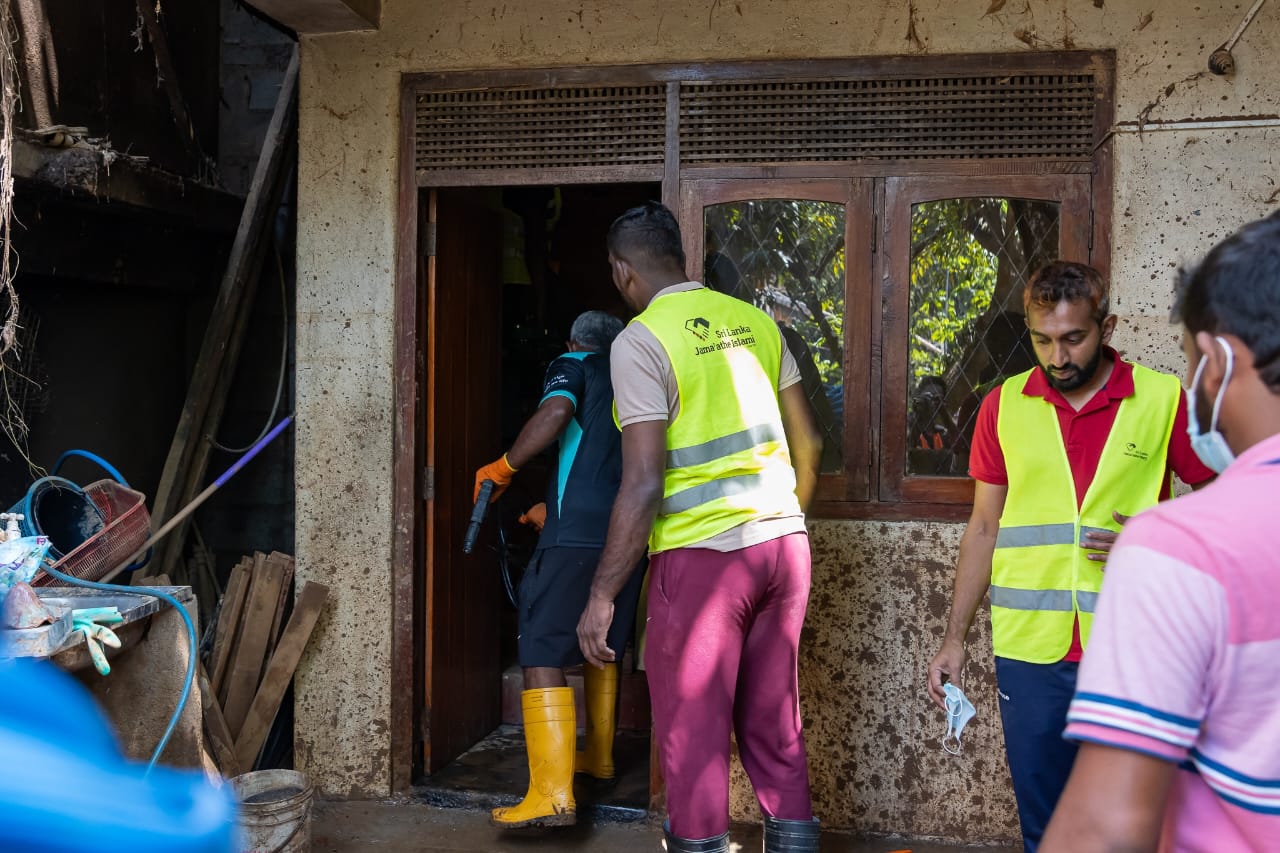
The heart of the recovery operation was a “nationwide effort” involving 4,658 volunteer man-days from 47 different areas across the country. These teams focused on the systematic decontamination and restoration of living spaces across 21 identified flood-affected zones highly affected areas including
Bebila, Saliyawela, Gampolawela,
Kahatapitiya, Illawathura, and Bothalapittiya. A total of 925 private homes were thoroughly cleaned of mud and waste, making them habitable once again.
Volunteers also restored 41 roads and decontaminated 4 schools and 4 government offices, including the MOH and GS offices.
Technical teams completed full electrical wiring for 258 homes and essential safety repairs for an additional 209 residences.
The mission was supported by a heavy inventory of equipment, including 34 pressure guns, 460 pairs of gumboots, and industrial generators.
The largest volunteer contingents arrived from Hemmathagame (330), Galle (235), and Ulapane (234), demonstrating remarkable national solidarity in the wake of the disaster.
Addressing infrastructure and safety risks
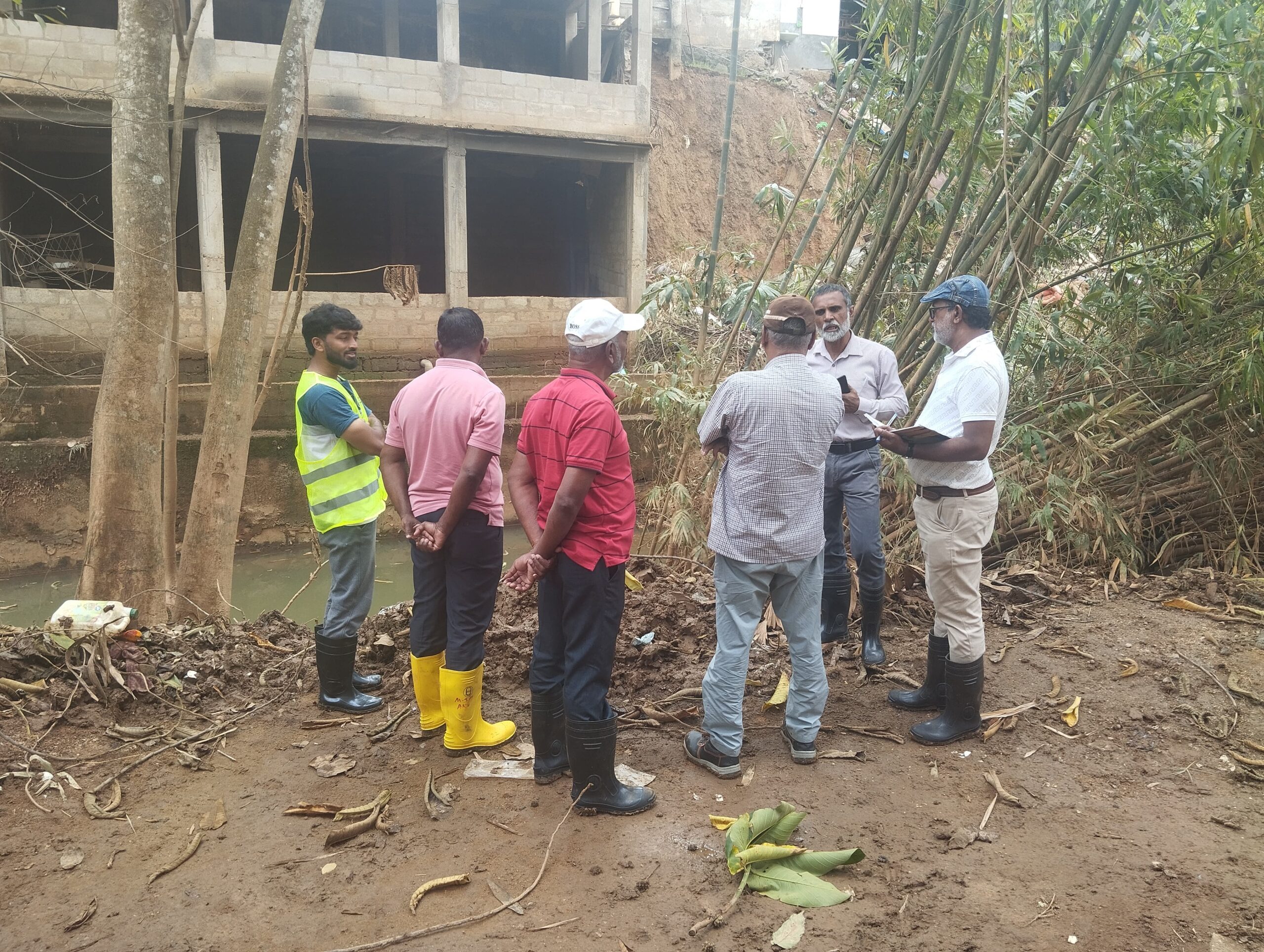
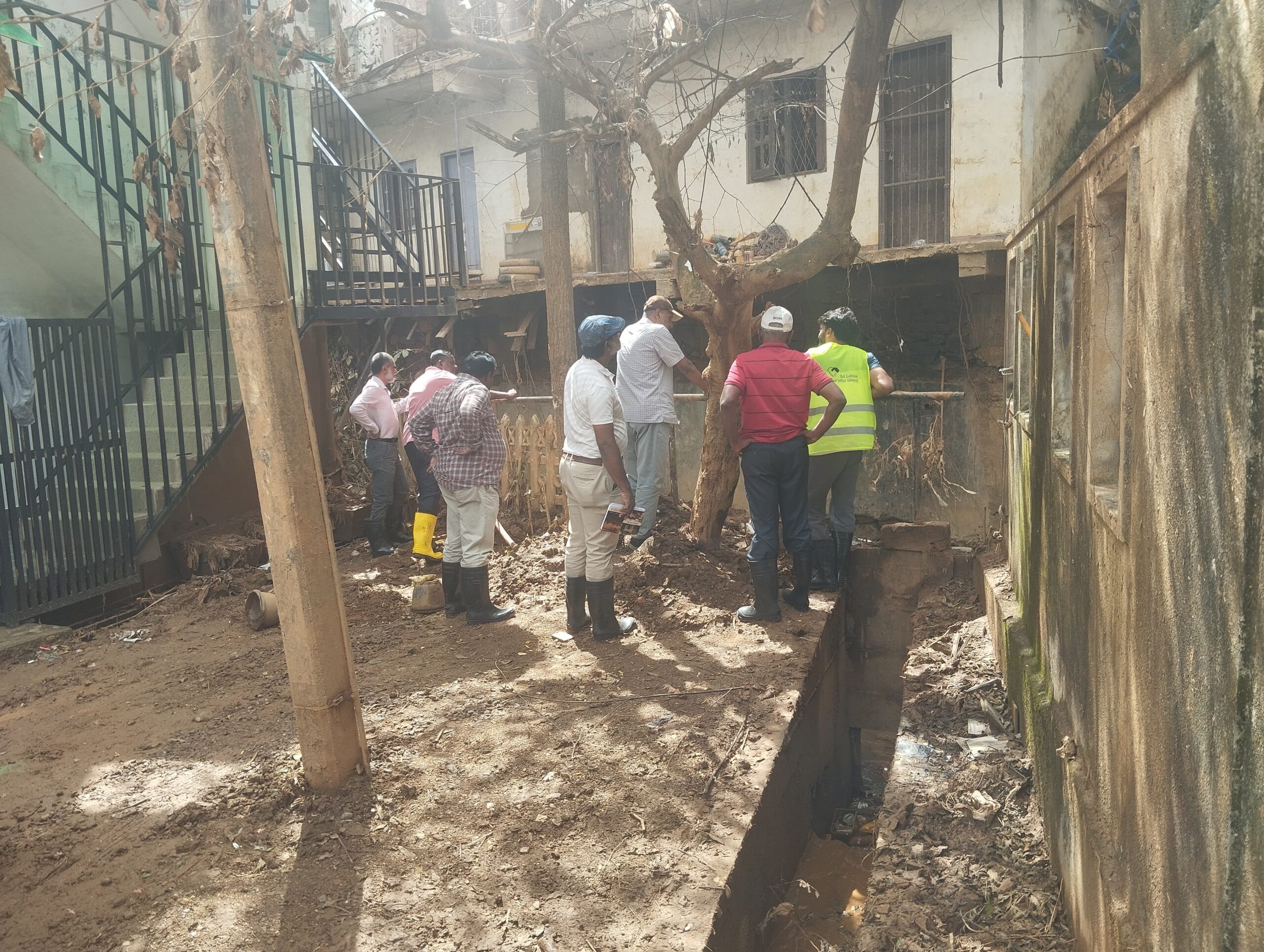
parallel to the volunteer work, a high-level expert team commissioned by SLJI—including architects, chartered engineers, and disaster management specialists—conducted a technical assessment of the city’s drainage and sanitation systems. Their findings provide a roadmap for preventing future disasters in Gampola.
The technical report of the experts team identified several critical bottlenecks including drainage blockages completely impeding the flow of storm water causing the ground water table to rise and impairing the function of septic tanks and soakage pits in residential areas.
Experts warned that domestic solid waste from house cleanings is currently being dumped in residential areas, which could pollute air quality and lead to infectious diseases.
Referring the Technical Report of the experts team Sri Lanka Jama’athe Islami by its letter dated 18th December addressed to Director General of the Disaster Management Centre has urged the Centre to ensure long-term stability, by urgently desilting the Saaliyawela stream and installating permanent Gabion walls to protect river embankments. It has also urged inspection by the National Building Research Organisation (NBRO), the slopes above Zahira College for future earth slip risks and a comprehensive disinfection program for the entire region to enable healthy re-settlement.


