


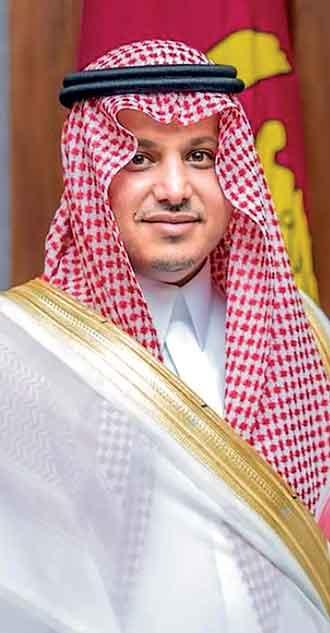
AMBASSADOR KHALID AL-KAHTANI
COLOMBO ; In a world where crises are accelerating alongside trade, and where geopolitical challenges are intertwined with supply chain disruptions, the smooth flow of goods and energy is no longer merely an economic issue, but has become an integral part of global security and stability. With the gradual shift of the global economy from a logic of absolute efficiency to one of resilience and sustainability, the need for systems more adaptable to market shocks and the complexities of the evolving international landscape is growing.In this context, the Kingdom of Saudi Arabia stands out as a reliable and pivotal international partner in supporting global economic stability and enhancing the resilience and efficiency of land, air, and sea supply chains, in line with the objectives of Vision 2030, which aims to solidify the Kingdom’s position as a global logistics hub connecting three continents.The Kingdom’s role extends beyond simply facilitating trade flows; it also contributes to reshaping the global economic landscape by developing more integrated logistics corridors between Asia, Europe, and Africa, and by strengthening its position as a key player in supporting the geo-economic reliability of global supply chains. From this perspective, the Kingdom is contributing to building a more balanced and resilient system, capable of absorbing economic shocks and reducing the vulnerability of the global trading system to crises.Within this transformation, the Kingdom’s transport and logistics system has witnessed a qualitative leap, reflecting a long-term strategic direction. In the land transport sector, a modern road network has been developed, connecting ports to industrial zones and border crossings. This has contributed to increasing the efficiency of goods movement, reducing delivery times, and enhancing the smooth flow of domestic and regional trade, which forms a fundamental pillar in supporting regional and international supply chains.In the air transport sector, the Kingdom has strengthened its capabilities by developing hub airports such as King Khalid International Airport in Riyadh and King Abdulaziz International Airport in Jeddah, transforming them into major centers for highly efficient air cargo.
The importance of this infrastructure has become particularly evident during global crises, as it has contributed to ensuring the continued flow of vital supplies of food, medicine, and medical equipment to international markets quickly and reliably, reflecting the Kingdom’s preparedness to deal with exceptional circumstances.In the maritime sector, the Kingdom has solidified its strategic position by developing its ports on the Red Sea and the Arabian Gulf, such as Jeddah Islamic Port, Yanbu Industrial Port, and King Abdulaziz Port in Dammam. These ports are pivotal to international trade, especially in the export of oil and petroleum products via the Red Sea, one of the most vital maritime routes in global trade, reaching international markets through strategic waterways such as Bab al-Mandab and the Suez Canal. This location enhances the Kingdom’s ability to guarantee the continuity of vital supplies, even amidst regional instability that may affect international shipping lanes.
This integrated system also contributes to strengthening the concept of global economic security, as the efficiency of supply chains directly impacts the stability of energy, food, and medicine availability in international markets, at a time when the need for more sustainable and efficient resource management systems is growing.
This role is bolstered by effective international partnerships, most notably the Kingdom’s participation in the G20 and the OPEC+ alliance, which enhances the stability of energy markets and strengthens multilateral economic dialogue.In light of these transformations, Saudi Arabia is pursuing a strategic path aimed at building a more sustainable and resilient global logistics and economic system, based on integration, partnership, and the ability to adapt to changes.
Through this growing role, the Kingdom continues to solidify its position in shaping the future of the global trade system, reflecting its transformation into a cornerstone of the new international economic order and contributing to the stability and prosperity of the global economy.( The writer is Saudi Ambassador in COLOMBO )


