


A.M.M.Muzammil
Sri Lanka is a proud multicultural and multilingual nation, where diverse communities have coexisted in harmony for centuries. The Constitution enshrines the fundamental principle that all citizens, irrespective of ethnicity, are equal before the law.
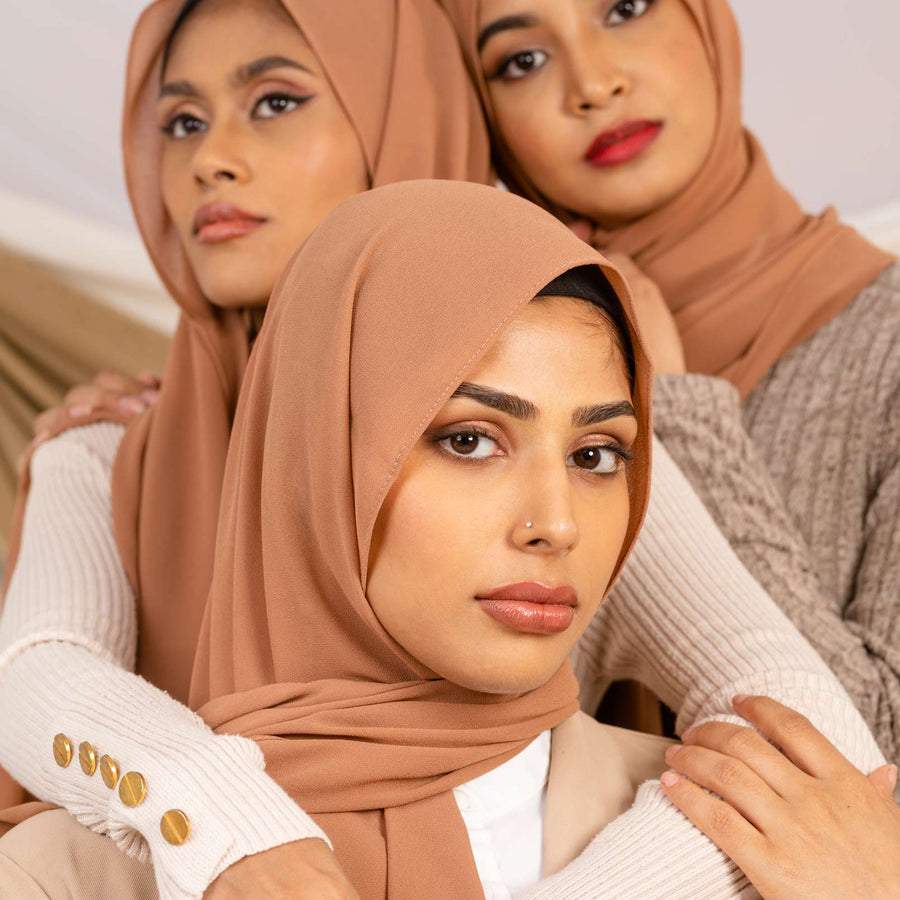
It further safeguards the freedoms of religion, belief, and cultural expression, thereby protecting the right of every individual to observe and express their faith, including through religious attire such as the Osariya, Sari, or Hijab. These rights are firmly rooted in the constitutional guarantees of equality, religious freedom, human dignity, and non-discrimination.
In 1992, during the Premadasa era, a Private Member’s Bill was moved by Hizbullah, MP for Batticaloa, and passed unanimously in Parliament. This legislation amended the Government Establishments Code to permit Muslim women in public service to wear religious attire—including head coverings and trousers to cover the legs—in addition to the official uniform. The amendment was specifically designed to protect the dignity, modesty, and religious rights of Muslim women while serving the nation.
The right of Muslim women to wear Islamic dress in public service is further reinforced by Article 12(1) of the Constitution, which guarantees that “all persons are equal before the law and are entitled to the equal protection of the law.” Article 12(2) additionally states that “no citizen shall be discriminated against on the grounds of race, religion, language, caste or sex.”
Moreover, Item IV of Sri Lanka’s Public Administration Circular No. 13/2019(I) permits public officers who arrange their clothing according to religious customs to wear supplementary attire reflecting their religious identity, provided they remain dressed in standard approved office attire and expose their full face (except ears) to ensure clear identification.
Consequently, denying Muslim women the right to wear head coverings and modest attire in accordance with their faith would constitute discrimination and a violation of their fundamental rights.
Despite these clear legal protections, a contentious issue has emerged in the Eastern Province. Dr. G. Sugunan, the Regional Director of Health Services (RDHS) for Kalmunai and Director of Base Hospital Kalmunai (North), has sparked controversy by denying permission to nine recently appointed Muslim female medical assistants to work at the facility, citing dress code violations.
This decision appears particularly inconsistent given Dr. Sugunan’s extensive tenure in Kalmunai, where other hospitals in the region permit Muslim women to work while wearing the Hijab in accordance with uniform guidelines. The RDHS’s action raises fundamental questions about consistency in policy application and the arbitrary exercise of administrative authority.
If the relevant circular permits an additional item of clothing to reflect religious identity, subject to the prescribed conditions, on what legal or administrative basis can nine qualified Muslim women be prevented from performing their duties because of their religious attire?
These are not merely questions of dress. They are questions of equality, dignity, religious freedom, administrative fairness, and the rule of law.
The JVP/NPP administration assumed power with a commitment to what it described as “a system change” to eliminate racism and other social inequities. In October 2025, Hon. Vijitha Herath, Minister of Foreign Affairs, Foreign Employment and Tourism, stated following discussions with Muslim civil society leaders that “there is no legal barrier for healthcare workers to wear uniforms in a manner that protects their religious identity within the current legal framework.”
The aggrieved nine Muslim female medical assistants have sought legal remedy by approaching the Human Rights Commission and are contemplating filing a Fundamental Rights Application in the Supreme Court.
Hon. Health Minister Dr. Nalinda Jayatissa should intervene promptly to resolve this matter. Clear directives should be issued to all hospitals based on existing laws and Hon. Vijitha Herath’s statement to ensure that no discrimination occurs. It must be recognized that accommodating religious dress does not compromise professionalism; rather, it enhances inclusivity in public service and ensures the constitutional right to religious freedom.
One of the principal election pledges of the ruling NPP was to ensure that racism and other forms of discrimination would never again be permitted to manifest in Sri Lanka, and that all citizens would be equal before the law in keeping with the cherished legal maxim—nemo est supra leges (no one is above the law).
As the maxim reminds us, injustice anywhere is a threat to justice everywhere. The resolution of this matter will serve as a critical test of Sri Lanka’s commitment to its constitutional principles and its aspirations for a truly inclusive society.
[


