


A.M.M.MUZAMMIL
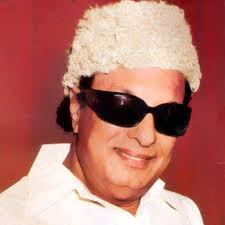
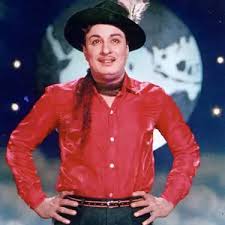
Marudhur Gopalan Ramachandran, the iconic figure known worldwide as MGR, remains a singular phenomenon in Indian history. More than a matinee idol, he was celebrated as “Puratchi Thalaivar” (Revolutionary Leader) and “Makkal Thilagam” (Jewel of the People)—titles that reflected an extraordinary blend of cinematic charisma and profound public devotion.
Born in Kandy, Ceylon (now Sri Lanka), MGR moved to India with his family in 1919 as a toddler. Faced with poverty, he began his artistic journey early, joining the Madurai Original Boys Company as a child actor alongside his elder brother, Chakrapani.
His transition to cinema began with a debut in 1936’s Sathi Leelavathi, directed by Ellis R. Dungan, an American-born film director. After a decade of supporting roles, his first lead in 1947’s Rajakumari marked a commercial turning point. Determined to excel, MGR rigorously trained in diverse arts—from classical dance and sword fighting to Silambattam (traditional stick combat)—forging the dynamic persona that would captivate millions.
The 1950 film Malaikkallan catapulted him to superstardom and became the first Tamil film to win a President’s Silver Medal. Its satirical song, “Ethanai Kaalam Thaan Ematruvaar Indha Naatiley” (“For how long will these people cheat us in our own country?”), critiquing social hypocrisy, became a cultural anthem and established MGR’s signature style of embedding socially conscious, folk-tuned messages in his music—a hallmark of his entire career.
In 1958, MGR reached a creative peak with Nadodi Mannan, a bold project in which he played a dual role while also directing and producing the film. Blending grand entertainment with social ideals, he risked his own assets to finance it, even borrowing Rs.50,000 from A.V.M. Meiyappa Chettiar, famously declaring that success would make him a “Mannan” (King) and failure a “Nadodi” (Vagabond). The film’s blockbuster success firmly established him as the people’s hero and redefined the archetype of the Tamil cinematic lead.
MGR had a unique style in his films. He neither smoked nor consumed alcohol, and this personal discipline was reflected in his screen roles. His stories were deeply emotional, often highlighting the bond between mother and son, the love between siblings, and the triumph of justice over wrongdoing. In his roles, he revered the mother figure like a goddess and stood firmly by the poor and oppressed.
He paid special attention to conveying strong social messages, especially through his songs, and chose a wide range of roles so that people from all walks of life could relate to him. His film titles were simple yet meaningful—Padagotti (Boatman), Meenava Nanban (Fisherman’s Friend), Thozhilali (Worker), Vivasayi (Farmer), and Rickshawkaran (Rickshaw Puller)—earning him the love and loyalty of working communities. Even decades after his death, the mere mention of his name at election meetings in Tamil Nadu continues to draw thunderous applause.
A typical MGR film combined moral lessons with thrilling action, romantic songs, and a villain to defeat, while lyricists such as Maruthakasi, Pattukottai Kalyanasundaram, Kannadasan, and Vaali helped craft his public image as a champion of the poor. Some of his most motivational and philosophical songs include:
“Theruvengum Palligal Kattuvom, Kalvi Theriyaadha Perkalai Illaamal Seyvom” — urging the construction of schools and universal education.
“Manithan Porakkumbothu Porandha Gunam” — reflecting on changing human attitudes and values.
“Kurukku Vazhiyil Vaazhvu Thedidum Kuruttu Ulagamada” — warning about the dangers of a corrupt world while urging reform.
“Thoongathe Thambi Thoongathe” — cautioning against laziness and complacency.
“Chinna Payale Chinna Payale Sethi Kelada” — offering wise guidance to children.
Throughout his four-decade career, MGR used his wealth and fame to serve others. He supported the poor, the sick, and the marginalized through education, healthcare, and social justice, believing that true greatness comes from helping humanity.
His generosity extended to the film industry as well. When legendary directors C.V. Sridhar and B.R. Panthulu faced financial distress, MGR stepped in, starring in Meenava Nanban and Aayirathil Oruvan, turning both films into blockbusters and rescuing the directors from ruin.
MGR appeared in nearly 136 films between 1936 and the late 1970s, playing leading roles in over 115 films and frequently sharing the screen with actresses such as Saroja Devi (26 films) and Jayalalithaa (28 films). He ended his acting career in 1977 upon becoming Chief Minister of Tamil Nadu, a position he held until his passing in 1987.
Nearly four decades after his death, the name MGR continues to inspire reverence, dwelling in the hearts of the poor and marginalized. A man of rare integrity, MGR went so far as to leave a will directing that his Ramavaram Gardens residence in Chennai and the Sathya Studios properties be devoted exclusively to philanthropic purposes.
MGR’s achievements across cinema, philanthropy, and politics remain unparalleled. His extraordinary journey—from a humble child performer in a travelling theatre troupe to an enduring icon revered by millions—stands as a testament to a life defined by integrity, compassion, and service.
In every sense, he was not merely a legend on screen or in public life, but a rare human being whose noble spirit and boundless generosity continue to inspire generations.


