


A.M.M.Muzammil
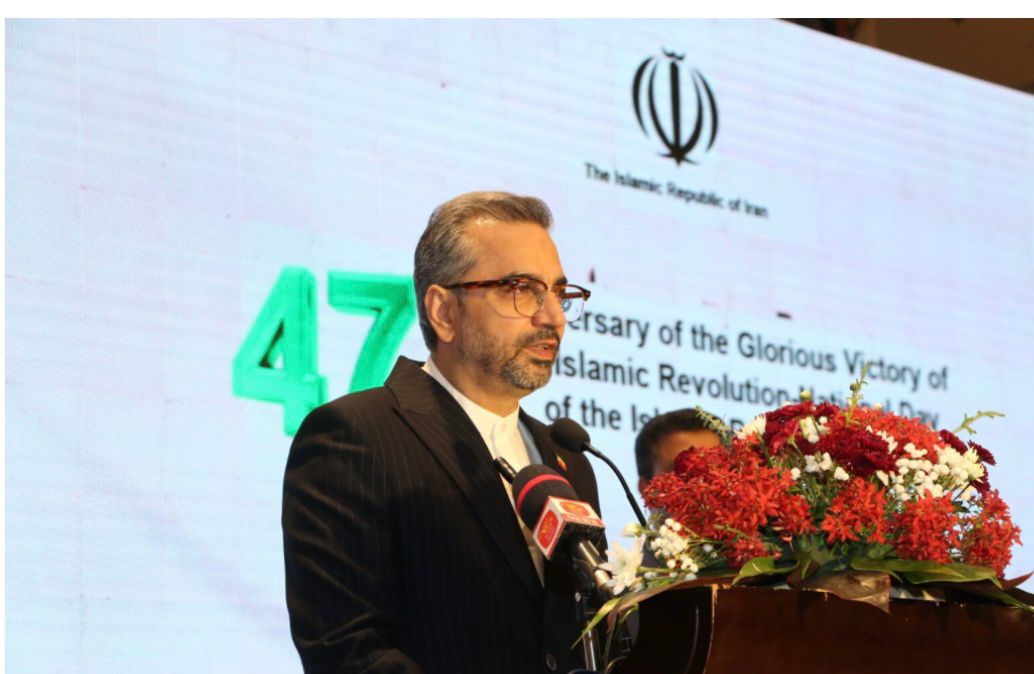
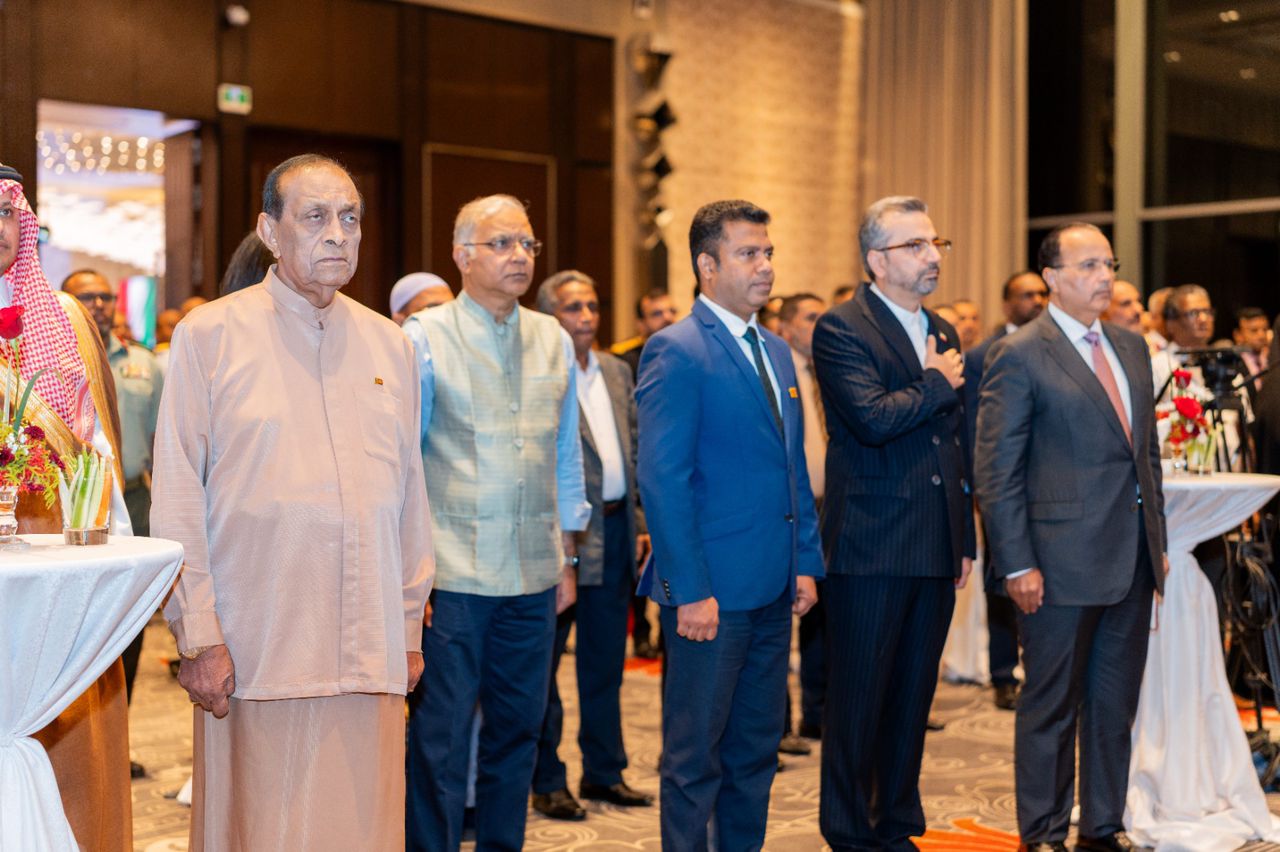
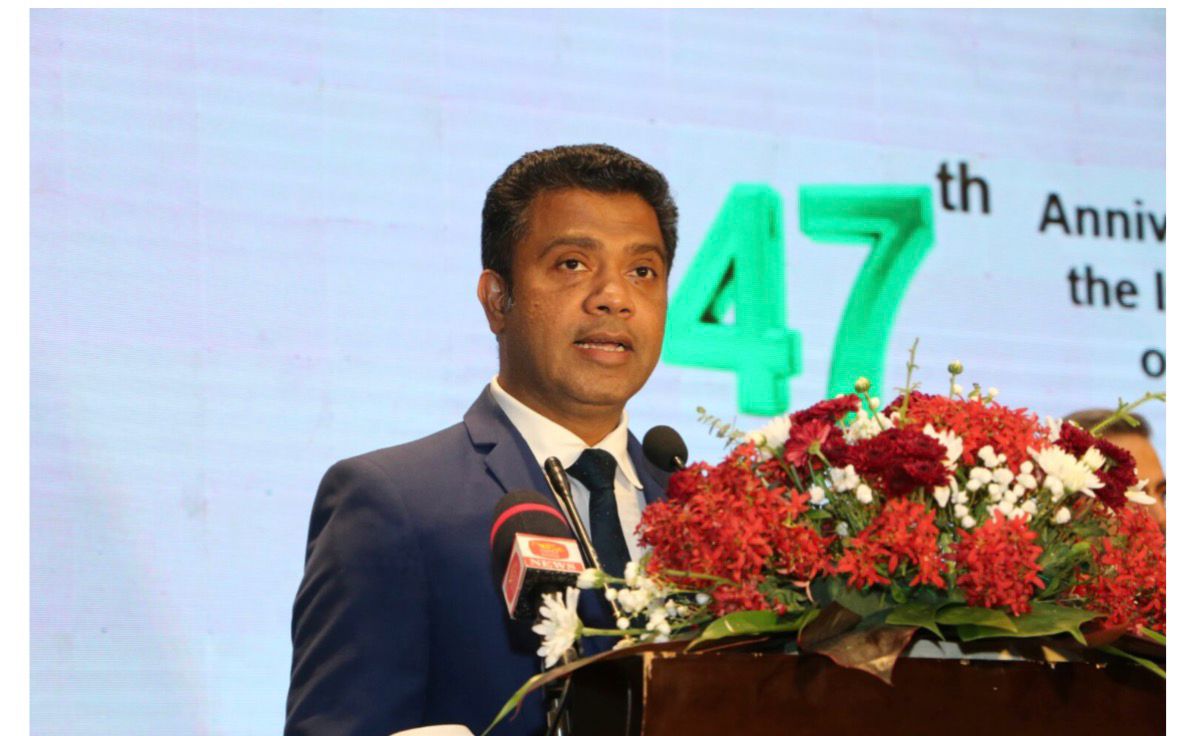
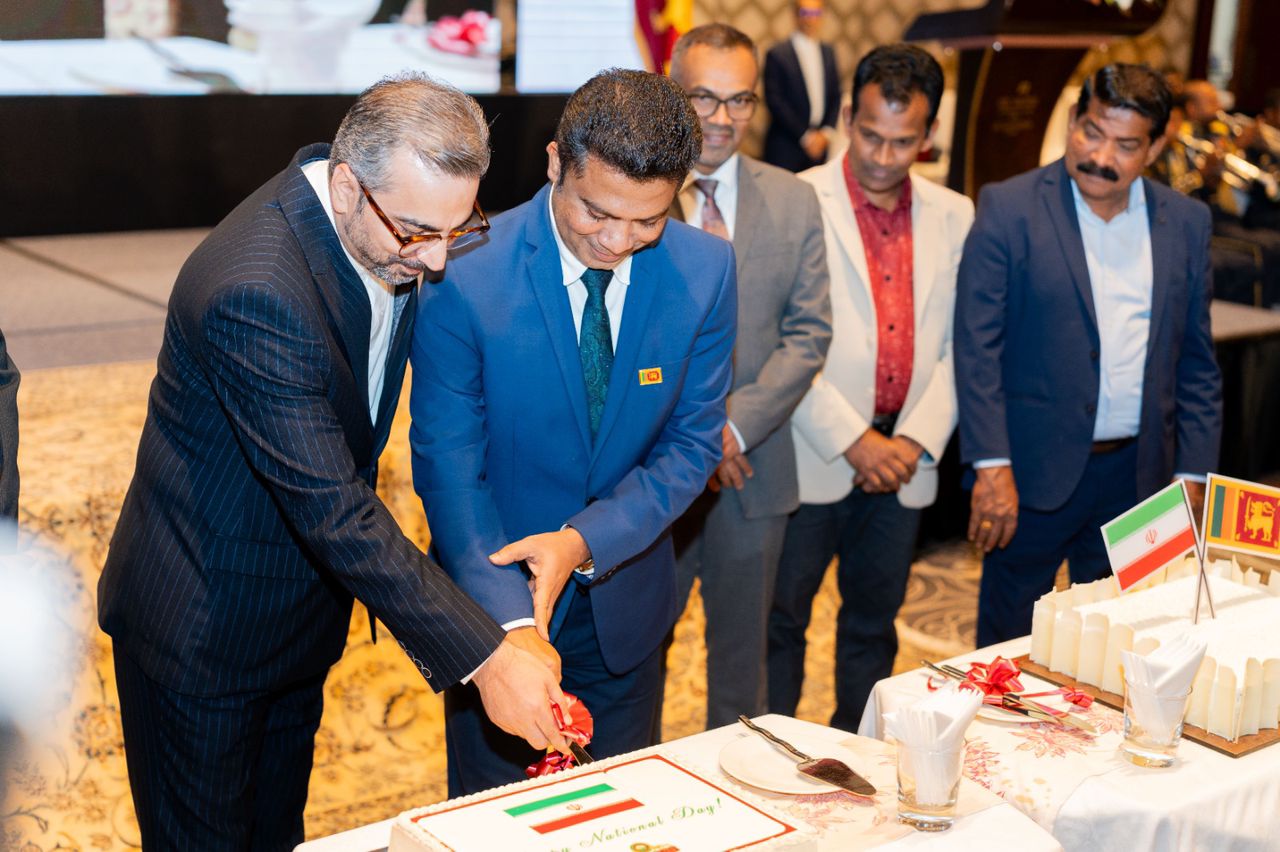
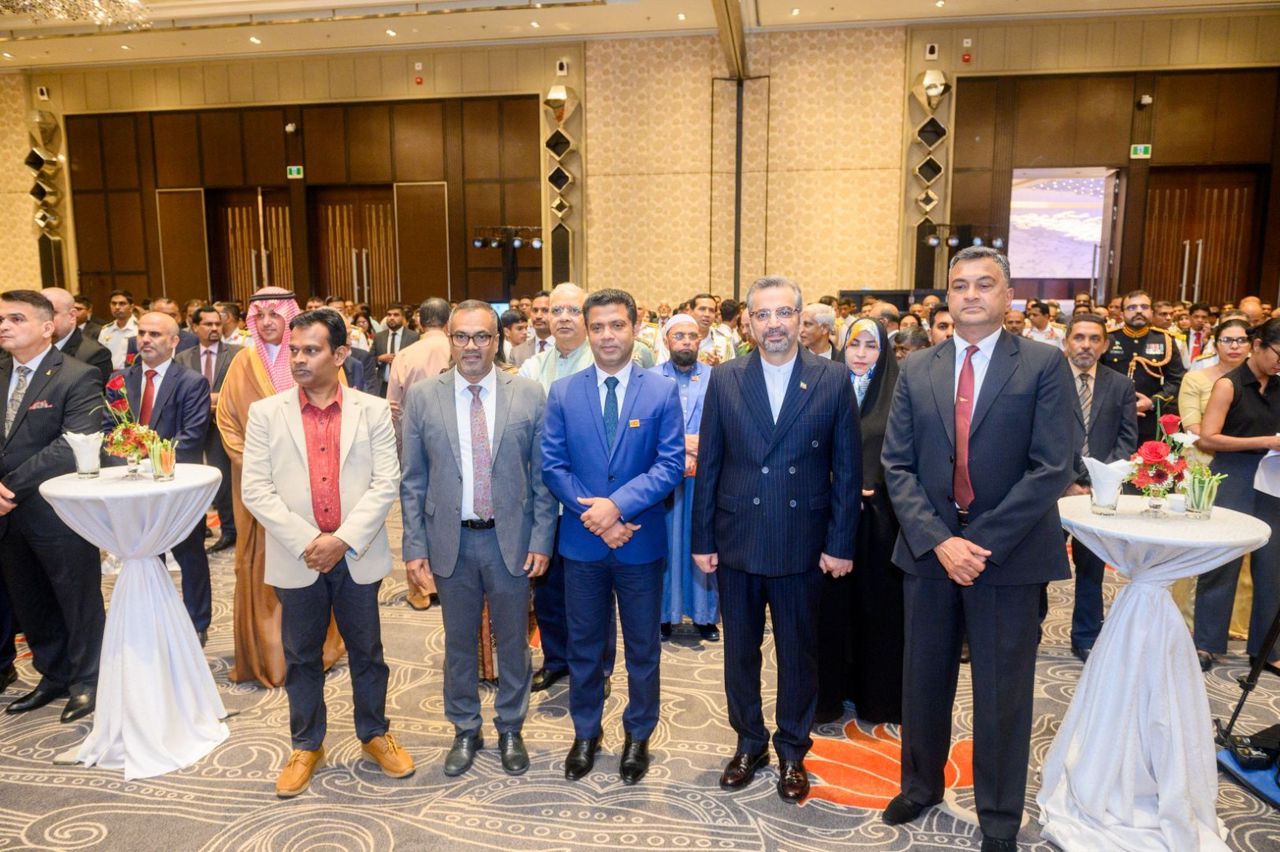
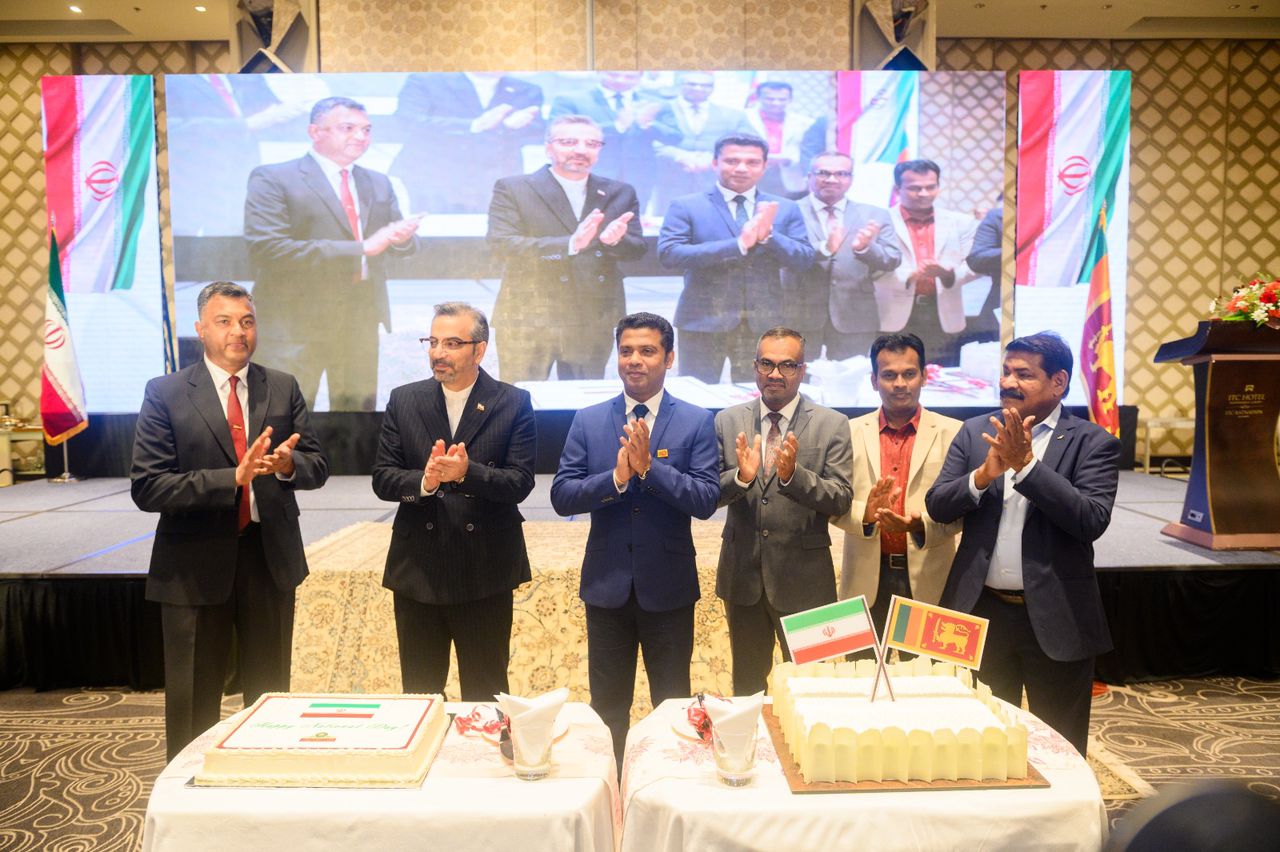
COLOMBO : Each year, from February 1 to 11, Iran marks the anniversary of its 1979 Islamic Revolution through the Ten-Day Fajr ceremonies—an observance that blends political memory, religious symbolism, and national identity.In Sri Lanka, the 47th Anniversary of the Victory of the Islamic Revolution and the National Day of the Islamic Republic of Iran was commemorated at the ITC Ratnadipa, Colombo, on Wednesday, February 11, under the patronage of the Ambassador of the Islamic Republic of Iran to Sri Lanka and the Maldives, H.E. Dr. Alireza Delkosh.The event was graced by the Minister of Health and Mass Media, Hon. Dr. Nalinda Jayatissa, as the Chief Guest, alongside a distinguished gathering of diplomats, government officials, and invited guests.The Ten-Day Fajr period begins on February 1, the day in 1979 when Ayatollah Ruhollah Khomeini returned to Tehran after 15 years in exile. His arrival marked a decisive turning point in the revolutionary movement that had steadily gained momentum against the Pahlavi monarchy, and the foundations of the Islamic Republic were formally laid.Khomeini’s return symbolized the triumph of a mass movement that mobilized clerics, intellectuals, workers, and students under a shared demand for sovereignty and moral governance. His leadership—viewed by followers as both spiritual and political—was seen as laying the cornerstone for principles centered on human dignity, social justice, and resistance to foreign domination.Over the subsequent 47 years, the Islamic Republic has navigated a complex and often turbulent path. The early years were shaped by the devastating Iran–Iraq War (1980–1988), which left deep scars on the nation’s economy and society. Reconstruction required immense sacrifice and national mobilization.In the decades that followed, Iran encountered sustained external pressure, particularly in the form of economic sanctions imposed by the United States and, at times, supported by multilateral bodies. Additionally, longstanding tensions with Israel and regional rivalries have contributed to an environment of geopolitical strain.Despite these obstacles, Iranian leaders and many citizens point to notable achievements in scientific and technological fields as evidence of resilience and self-reliance. Over nearly five decades, Iran has invested heavily in higher education, research institutions, and domestic industries.In the field of medicine, Iran has developed advanced capabilities in organ transplantation, stem cell research, and pharmaceutical production. The domestic manufacturing of essential medicines and medical equipment has been highlighted as a crucial step toward healthcare independence,
particularly during periods when sanctions limited access to imported supplies. During global health crises, Iranian researchers and health professionals have emphasized indigenous innovation and local production to meet national needs.Iran’s achievements in aerospace and defense technology are also frequently cited. The country has launched satellites into orbit using domestically developed launch vehicles and has expanded its missile and drone capabilities.In the energy sector, Iran—home to some of the world’s largest oil and natural gas reserves—has sought to expand refining capacity, petrochemical production, and alternative energy initiatives. Investments in nanotechnology, biotechnology, and nuclear research have been portrayed as part of a long-term strategy for sustainable progress and industrial self-sufficiency.Industrial development has also focused on reducing reliance on imports. From automobile manufacturing to heavy machinery and military equipment, domestic production has been encouraged as a shield against external economic pressure.Iran describes itself as a peaceful nation, emphasizing that it has not initiated an invasion against another sovereign state in modern history. This assertion is often contrasted with Israel’s record of military operations in neighboring territories, including Egypt, Jordan, Syria, Lebanon, Iraq, and Qatar.On June 12, 2025, Israel carried out a large-scale strike targeting Iran’s nuclear and military infrastructure, reportedly deploying more than 200 fighter jets against over 100 sites, including key facilities and residential areas, resulting in the deaths of senior military officials and nuclear scientists.In response, Iran launched a significant retaliatory operation involving drones and various missile systems, striking strategic locations in Israel, particularly in Tel Aviv and Haifa.Tensions further escalated when Iran reportedly targeted a major U.S. airbase in Qatar shortly before a U.S.-brokered ceasefire took effect on June 24. Despite the intensity of the confrontation, Israel did not achieve its stated objectives of dismantling Iran’s nuclear program or destabilizing its leadership, leaving the regional balance of power under renewed scrutiny.In December 2025, segments of Iran’s business community staged peaceful demonstrations in response to mounting economic challenges linked to U.S. sanctions. However, these protests were reportedly exploited by external actors, escalating into unrest aimed at destabilizing the country’s governance.Amid heightened tensions, U.S. President Donald Trump intensified pressure on Iran through increased military deployments to the Persian Gulf. Concurrently, a new round of negotiations between Tehran and Washington is underway in an effort to ease the crisis. While Iran has expressed willingness to limit its stockpile of uranium enriched to 60 percent, it maintains that its right to uranium enrichment remains non-negotiable and has ruled out discussions on its missile program.
Trump and Netanyahu should recognize that Iran is a nation of enduring resilience, shaped by millennia of history, rich cultural heritage, abundant natural resources, and a profound sense of national pride. The Iranian people’s deep-rooted tradition of independence and resistance ensures that no external pressure—whether from the United States or Israel—can compel their capitulation. Any notion of controlling Iran is a miscalculation that underestimates its steadfast sovereignty and enduring strength


