


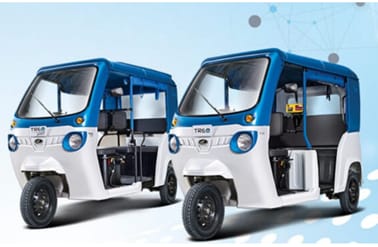
COLOMBO : The growing popularity of electric vehicles (EVs)—cars, three-wheelers and motorcycles—is undoubtedly a positive development from an environmental perspective. However, at a time when Sri Lanka remains under considerable pressure to conserve its scarce foreign exchange, we should also ask whether importing large numbers of completely new EVs is the most prudent and sustainable approach.
Why not explore the possibility of converting existing petrol- and diesel-powered vehicles into electric vehicles?
Such a programme could potentially offer several advantages. Instead of spending substantial amounts of foreign exchange on importing complete vehicles, Sri Lanka would primarily need to import the essential components and technology required for conversion, while utilising vehicles already on our roads. This could significantly reduce the foreign-exchange outflow associated with vehicle imports.
The proposal also merits a serious technical and economic study. The Institution of Engineers, Sri Lanka (IESL), the University of Moratuwa and other relevant technical institutions could jointly examine the feasibility, safety, cost-effectiveness and environmental benefits of converting existing cars, three-wheelers and motorcycles to electric power.
There could be another important spin-off: fewer new vehicles would be added to our already congested roads. Extending the useful life of existing vehicles through EV conversion could therefore contribute not only to foreign-exchange savings and cleaner transport, but also to reducing pressure on road infrastructure.
Rather than simply asking, how many EVs can we import? Perhaps Sri Lanka should be asking: how many existing vehicles can we economically and safely convert to EVs?
Mohamed Zahran
Colombo


