


A.M.M. MUZAMMIL
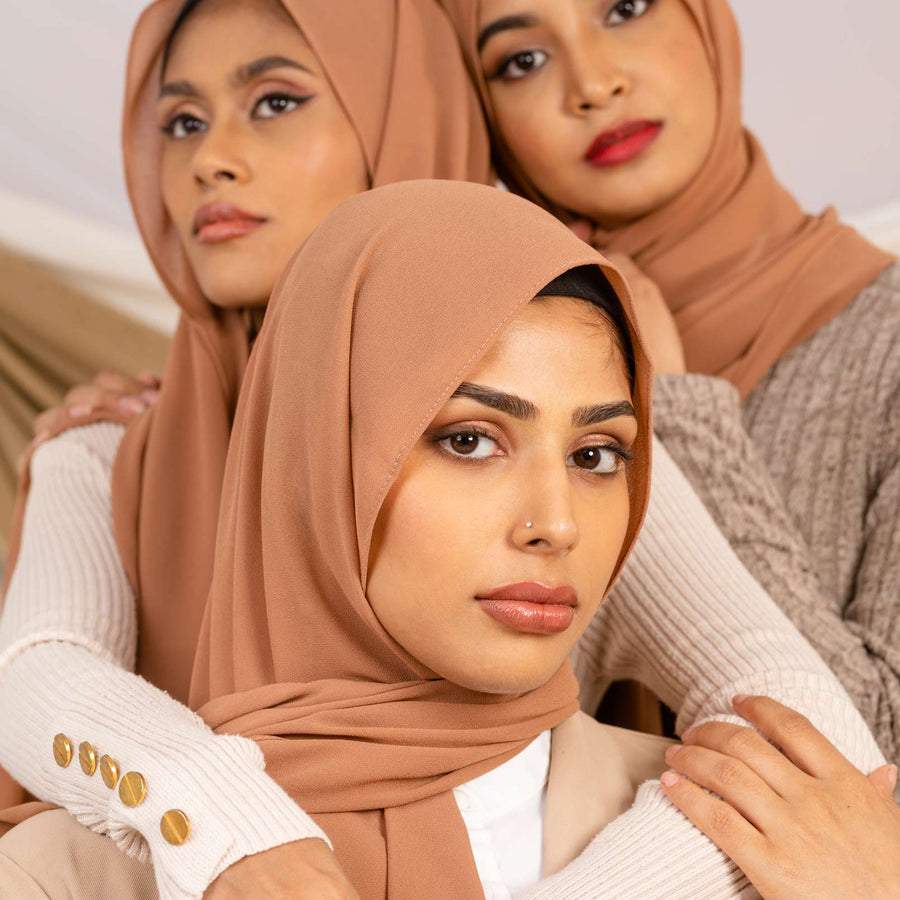
COLOMBO : The NPP secured a historic parliamentary majority, winning both the presidential and general elections on a platform of justice, fairness, and inclusivity. The Muslim community responded with unwavering support, with Muslim women—many visibly wearing the hijab—actively canvassing and participating in rallies, signalling a profound level of trust in the NPP’s promises.
The announcement of the inaugural 22-member Cabinet without a single Muslim representative shattered those hopes and marked a historic break from Sri Lanka’s post-independence tradition of Muslim representation in the Cabinet. Even the Gotabaya Rajapaksa government, despite facing allegations of racism, had included a Muslim minister.
Beginning with the absence of Muslim representation in the Cabinet, there have been a number of other instances in which the Muslim community has felt the impact of what it perceives as discrimination under the NPP Government.
The first blow came as a profound shock: Dr. Anil Jasinghe, a key figure in implementing the controversial forced-cremation policy for COVID-19 victims, was appointed by President Anura Kumara Dissanayake as Secretary to the Ministry of Health and Mass Media under the newly formed NPP Government. For many in the Muslim community, the appointment was deeply painful, given his prominent role in implementing a policy that remains a traumatic chapter in their collective memory.
Mohamed Suhail, a 21-year-old aviation student, was reportedly arrested and detained for nearly nine months under the Prevention of Terrorism Act (PTA) after allegedly posting a sticker expressing opposition to Israel. In a functioning democracy, can a citizen really be detained for months merely for expressing a political view through a sticker?
Why did the NPP overlook the elevation of Justice Mohammed Thahir Laffar, then Acting President of the Court of Appeal, despite his distinguished 30-year judicial career spanning the lower court and the higher judiciary to the Supreme Court?
What a profound irony: the same NPP that overlooked his advancement is now advocating for the extension of Supreme Court judges’ tenure.
The NPP Government appointed three members to the important Delimitation Committee, including a representative of the Tamil community, Mr. K. Thavalingam. Yet, conspicuously, not a single representative from the Muslim community was appointed.
The continued closure of the Mahara Prison Jumma Mosque, which has served Muslims for over 120 years, and the Ekala Jumma Mosque have caused significant hardship to the Muslim community. Despite repeated appeals, the NPP Government has yet to take meaningful action to reopen these places of worship, raising serious concerns about the Government’s commitment to safeguarding the religious rights and needs of Muslim worshippers.
Furthermore, reportedly for the first time, an import tax was imposed on dates distributed annually by the Saudi Government free of charge during the holy month of Ramadan. Rather than providing relief during this sacred month, the NPP Government’s decision placed an additional burden on Muslim households.
More recently, the controversy involving Dr. G. Sugunan, RDHS, Kalmunai, and Director of Base Hospital Kalmunai (North), over his reported refusal to allow nine newly appointed Muslim female medical assistants to work because of alleged dress-code violations has been deeply deplorable, particularly given that Item IV of Public Administration Circular No. 13/2019(I) permits religious attire subject to specified identification requirements.
When the affected officers and civil society organisations appealed to Health Minister Dr. Nalinda Jayatissa, rather than investigating whether Dr. G. Sugunan’s decision was arbitrary or discriminatory and taking appropriate disciplinary action against him for causing unnecessary disruption, the Minister reportedly chose instead to temporarily transfer the affected officers to Kalmunai Ashraff Memorial Hospital.
Kalmunai (North) Base Hospital is a public institution funded by taxpayers and obligated to serve all citizens equally, without discrimination or bias. Against this backdrop, Dr. Nalinda Jayatissa’s decision appears less like a genuine resolution of the underlying issue and more like an accommodation of Dr. G. Sugunan, leaving the core concerns of the affected officers unaddressed.
Significantly, Tamil MP Dr. Ramanathan Archuna has publicly stood in solidarity with the Muslim female health assistants at Kalmunai North Base Hospital, raising serious allegations that the hospital’s Director, Dr. Sugunan, has fuelled ethnic tensions and subjected vulnerable members of the staff to intimidation.
The NPP Government, which came to power promising to eliminate racism and discrimination against minorities, should adopt a clear policy safeguarding Muslim customs and attire in accordance with Articles 12(1) and 12(2) of the Constitution and Item IV of Public Administration Circular No. 13/2019(I).
It should also issue an amended circular requiring all ministries and departments to adhere to these provisions permanently, both in letter and spirit. This would provide an ideal and practical solution. Providing temporary relief without addressing the underlying issue is akin to the Sinhala proverb: “කොට්ටය මාරු කළ පමණින් හිසරදය සුව නොවේ.” — Changing the pillow will not cure the headache; the root cause must be addressed.
The Muslim community, having endured decades of marginalisation, trauma, and discrimination under successive governments, does not seek new rights or privileges. All we ask of the NPP Government is to protect and uphold the rights and safeguards that our forebears fought to secure and enshrine in law—rights intended to preserve the dignity, identity, and wellbeing of our community.
Racism must never be allowed to rear its ugly head in this resplendent island, nor should prejudice or ethnic divisions ever be weaponised to advance hidden agendas. Sri Lanka belongs to all its citizens, and every community is entitled to equality, dignity, justice, and respect


