


A.M.M.MUZAMMIL
COLOMBO : Hambantota stands as a remarkable symbol of unity in Sri Lanka—a place where the spirit of peaceful coexistence, national integration, ethnic harmony, and inclusivity is not merely spoken of but genuinely experienced and celebrated in everyday life.
Here, diversity finds expression through mutual respect, shared values, and a collective sense of belonging that transcends cultural and social boundaries. Few places evoke this spirit; however, in Hambantota, harmony is not merely an aspiration—it is a lived experience, reflected in the warmth of its people and the strength of communal bonds.
Hambantota, once a sleepy fishing outpost in Sri Lanka’s Southern Province, has transformed into a bustling and well-planned city, thanks to government-aided development projects, where an increasing number of commercial entities have established their business activities.
My friend, Nazir A. Wahid, a respected gem merchant from China Fort, recently opened his iconic three-storey holiday bungalow, Deck N Decker, in Hambantota. I recently had the opportunity to visit and assist with aspects of its operations. It is noteworthy to observe that the government’s administrative framework in Hambantota provides a business-friendly and hassle-free environment, enabling entrepreneurs to operate efficiently through a streamlined one-stop service centre.
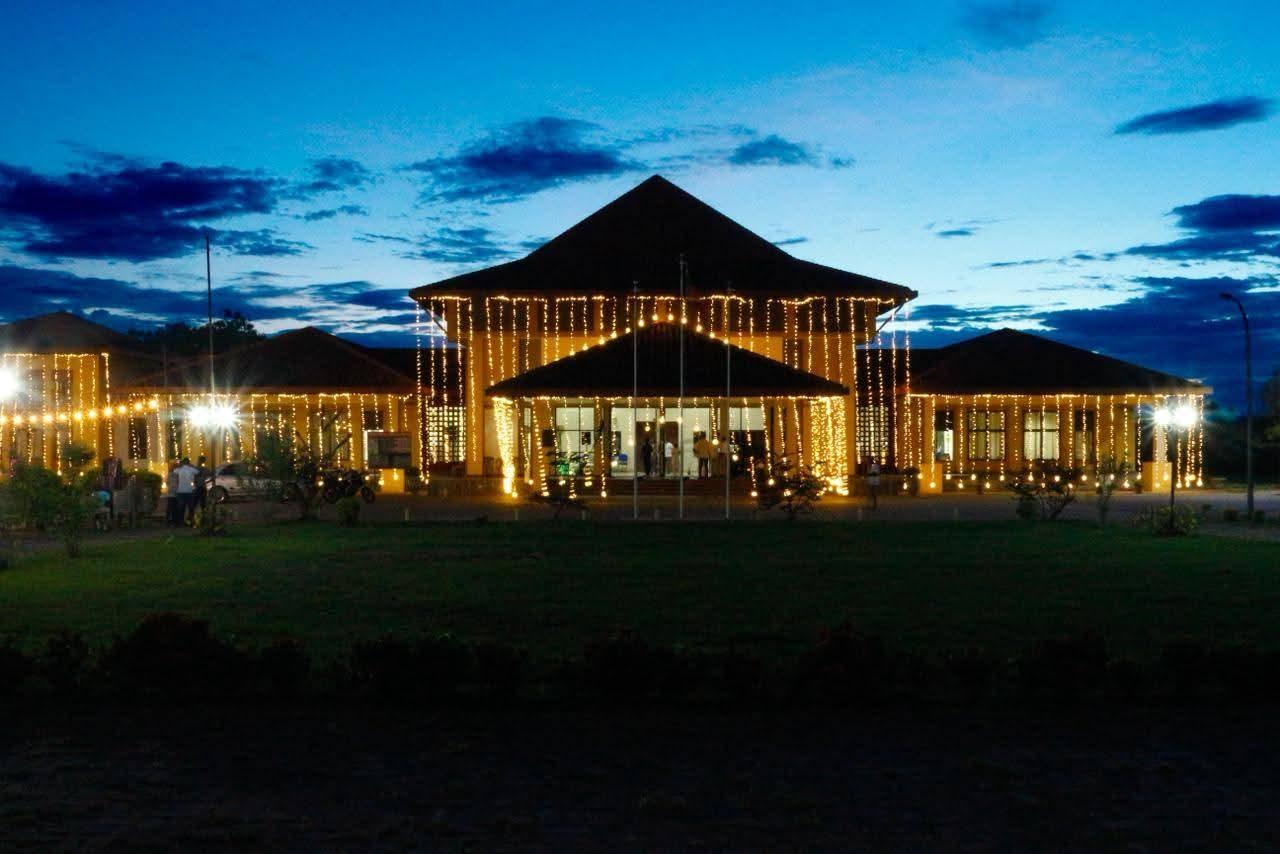
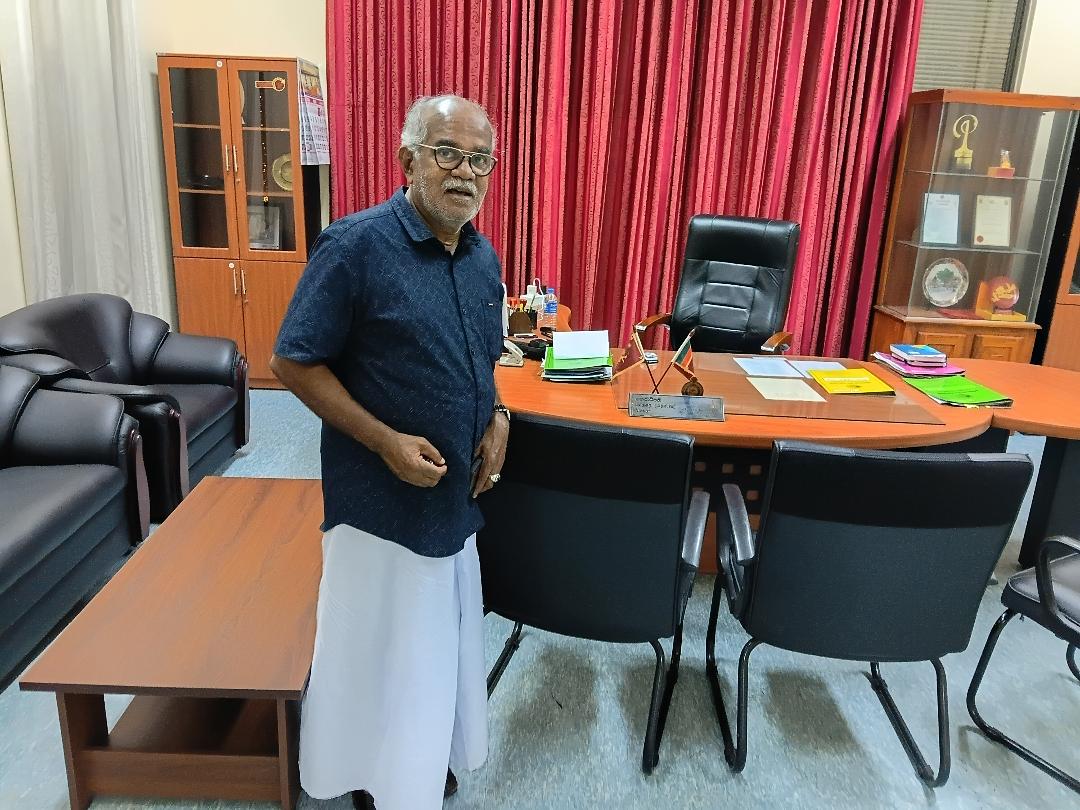
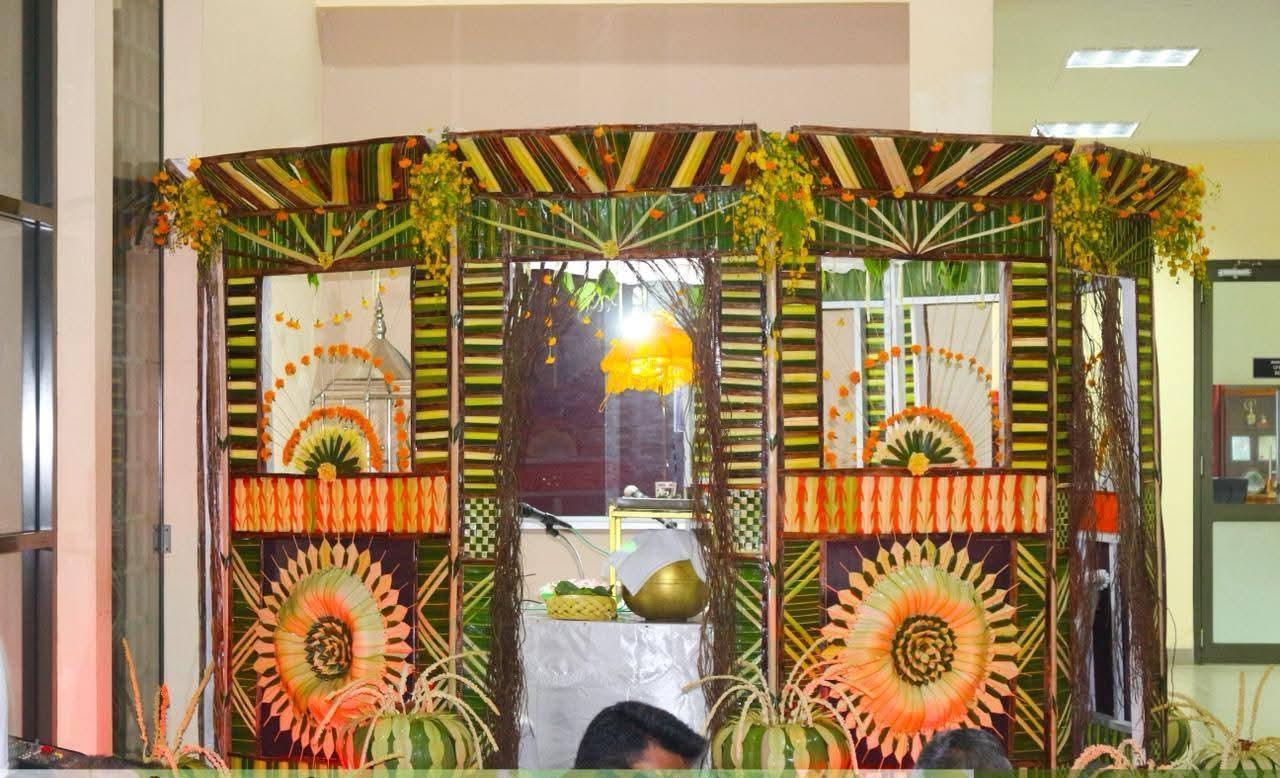
During our visit, we had the privilege of meeting the Mayor of Hambantota, His Worship D.A. Gamini, a humble and down-to-earth personality who graciously inaugurated Deck N Decker on 28 March 2026. He kindly invited us to participate in the Pirith Chanting Ceremony, held on 21 May at the Hambantota Municipal Complex.
Attending the Pirith Chanting Ceremony at the Hambantota Municipal Council was, for me, a genuine dilemma. Having been born and raised in Colombo, and despite sharing a close friendship of over five decades with my Buddhist neighbour, I had never before attended a Buddhist religious function. Naturally, I approached the invitation with hesitation and uncertainty. Yet, setting aside my reservations, my friend and I decided to participate in the ceremony—an experience that proved both enlightening and deeply moving.
From the moment we arrived, we were received with warmth and sincerity by the Mayor, whose gracious hospitality immediately made us feel welcome. What truly astonished us, however, was the remarkable gathering of people from different faiths and communities. A significant number of Muslim men and women in hijab had joined the occasion, reflecting a spirit of unity and togetherness that I had rarely, if ever, witnessed elsewhere in my lifetime.
The proceedings commenced in an inspiring and symbolic manner, with blessings and dua offered by a Muslim Moulavi, followed by prayers from a Hindu priest, before the Pirith chanting began. This display of religious coexistence embodied mutual respect in its purest form.
Equally noteworthy was the exceptional thoughtfulness demonstrated by the organizing committee, which warmly hosted all guests to a buffet dinner while conscientiously ensuring the availability of halal food, including halal devilled chicken, in respectful consideration of Muslim attendees. Such sensitivity to religious and cultural needs reflected not merely hospitality but also a sincere commitment to inclusivity and mutual respect.
Equally admirable is the spirit of unity and cooperation evident within the Hambantota Municipal Council. From the Mayor to the council members, irrespective of political affiliations, there appears to be a shared commitment to public service, collective responsibility, and communal harmony. Their willingness to work together beyond partisan divisions reflects a commendable model of civic leadership and social cohesion.
If Sri Lanka’s districts and provinces were to embrace this culture of mutual respect, inclusivity, and brotherhood exemplified by Hambantota, the nation would undoubtedly move closer to becoming a true haven of peace and coexistence.
Hambantota, in this regard, stands not merely as a town but as an inspiring model for the rest of the country to be emulated .


