


KHALID AL-KAHATANI
COLOMBO The Kingdom of Saudi Arabia, under the leadership of the Custodian of the Two Holy Mosques King Salman bin Abdulaziz Al Saud, and His Royal Highness Crown Prince Mohammed bin Salman bin Abdulaziz Al Saud, Prime Minister, places profound emphasis on serving Islam and Muslims, foremost among them the Hajj pilgrims of Sacred House of the almighty Allah. The Hajj season of the year 1447H comes as a continuation of a comprehensive national approach aimed at further developing the Hajj ecosystem and enhancing its operational efficiency, ensuring that pilgrims perform their rituals in a safe, well-organized, and fully integrated environment.
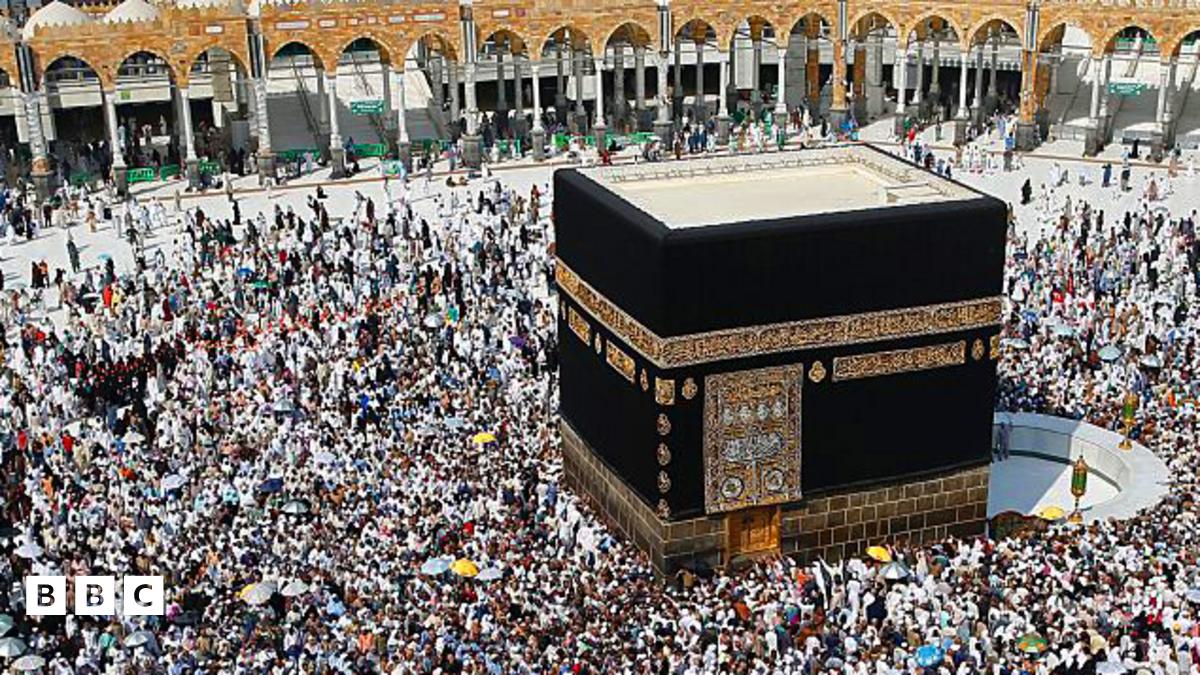
The Kingdom of Saudi Arabia’s preparations for the 1447H Hajj season are witnessing a comprehensive readiness based on institutional integration between all government agencies, within a unified operational system, under the supervision of the relevant regulatory authorities, and with the active participation of all sectors, reflecting a high degree of national coordination in managing this global event. Official estimates indicate that the number of hajj pilgrims coming from outside the Kingdom exceeds 1.5 million pilgrims. In this context, the pivotal role of the security authorities in managing crowds and organizing the movement of Hajj pilgrims in the holy sites is highlighted through precise proactive plans, supported by modern technologies that ensure public safety and smooth flow during peak times.
The Kingdom has also placed exceptional focus on the healthcare sector by enhancing the readiness of hospitals and medical centers in Makkah and the holy sites, deploying specialized medical teams operating around the clock, and providing advanced emergency units capable of rapid response to urgent cases, ensuring comprehensive healthcare for all pilgrims.
In the transport and infrastructure sector, the Hajj system has witnessed significant qualitative development, including the expansion of roads leading to the holy sites, the modernization of public transportation networks, and the activation of shuttle bus systems. The “Mashair” Train continues to play a vital role in transporting Hajj pilgrims between Mina, Arafat, and Muzdalifah, while the “Haramain” High-Speed Railway connects Makkah, Madinah, and Jeddah in record time, marking a major transformation in the pilgrim travel experience.
In the digital domain, the Kingdom has further strengthened its global leadership in smart Hajj management through advanced electronic platforms for issuing permits, organizing services, and integrating data across relevant entities. In addition, artificial intelligence and big data analytics are being utilized to manage crowd flows and predict density levels, thereby enhancing operational efficiency and service quality.
The Guests of the Custodian of the Two Holy Mosques Program for Hajj and Umrah reflects the humanitarian dimension of the Kingdom’s policy, by hosting thousands of Hajj pilgrims from various countries at the expense of the Custodian of the Two Holy Mosques, reinforcing the values of Islamic brotherhood and the Kingdom’s leading role in serving Muslims worldwide.
These efforts are fully aligned with Saudi Vision 2030, which has placed serving pilgrims as a central pillar of its programs, through infrastructure development, increased capacity, adoption of modern technologies, and enhancement of service quality, in line with the objectives of the Vision 2030.
The Kingdom of Saudi Arabia, as it welcomes Hajj of 1447H, reaffirms that serving Hajj pilgrims is a sacred religious and historical responsibility that is renewed every year through an evolving institutional, technological, and humanitarian system. With this continuous advancement, Hajj remains a unique global model in managing large human gatherings, embodying the Kingdom’s leadership in serving Islam and Muslims, and promoting the values of safety, organization worldwide.(The writer is the Saudi ambassador in Colombo)
.


