


FROM Pottuvil Asmin –
POTTUVIL : Yesterday, I had the opportunity of watching Habeebi, directed by Meera Kathiravan, a film that has been running successfully in theatres across Tamil Nadu for more than twenty-five days.
From the day of its release, the film received overwhelmingly positive reviews and an enthusiastic response from audiences. Those reviews immediately caught my attention, and I had been eagerly waiting for an opportunity to watch it. Yesterday, that long-awaited wish finally came true.
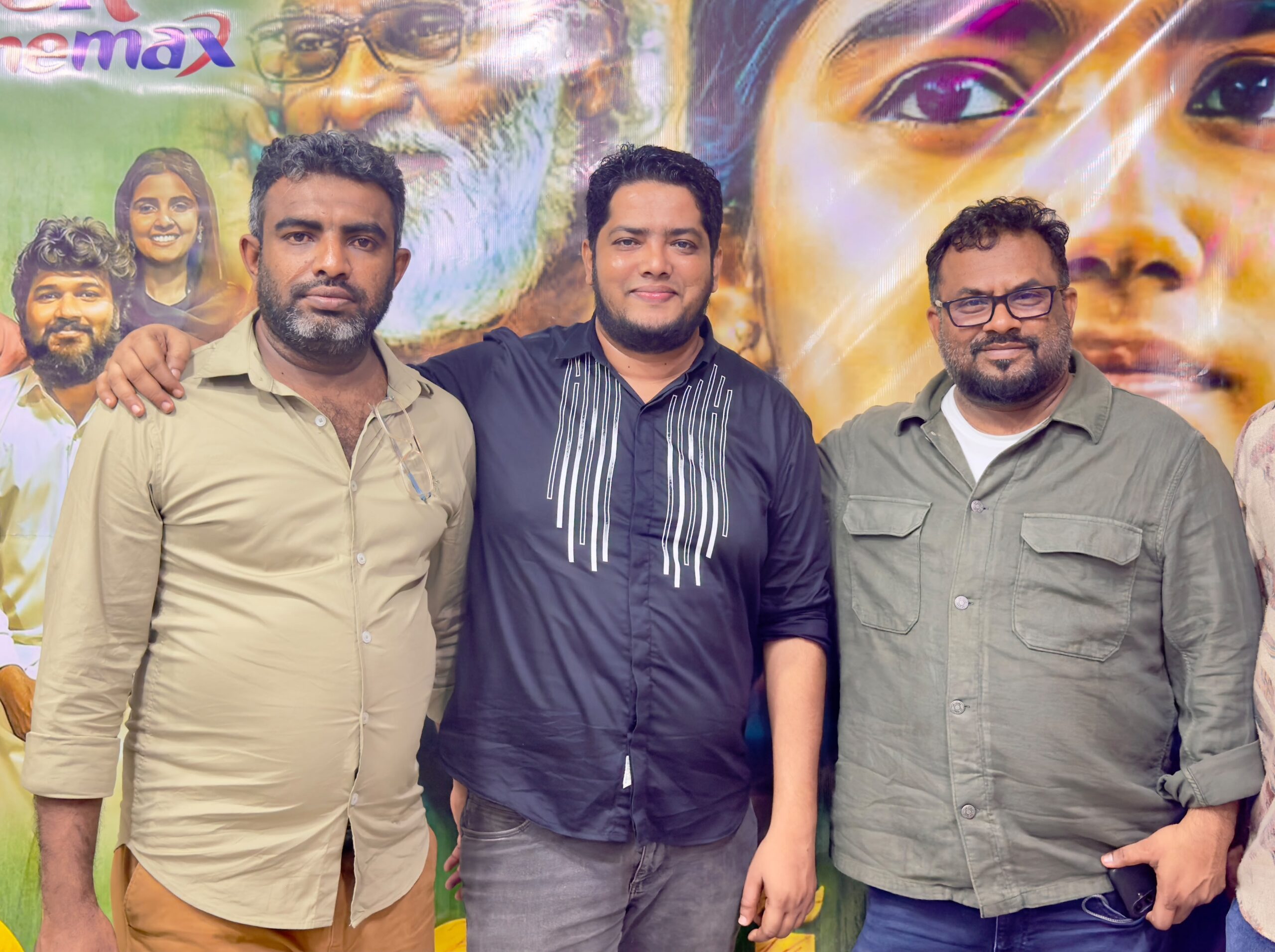
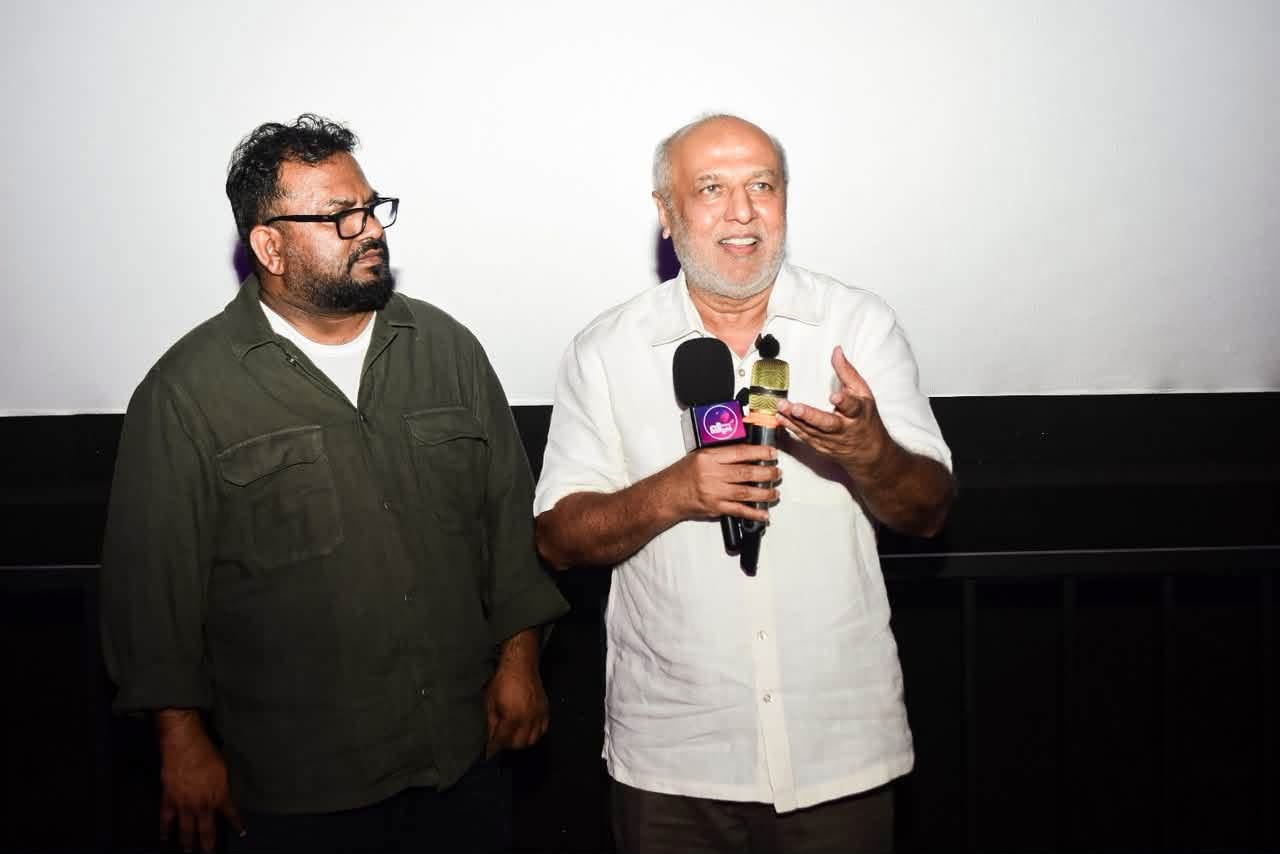
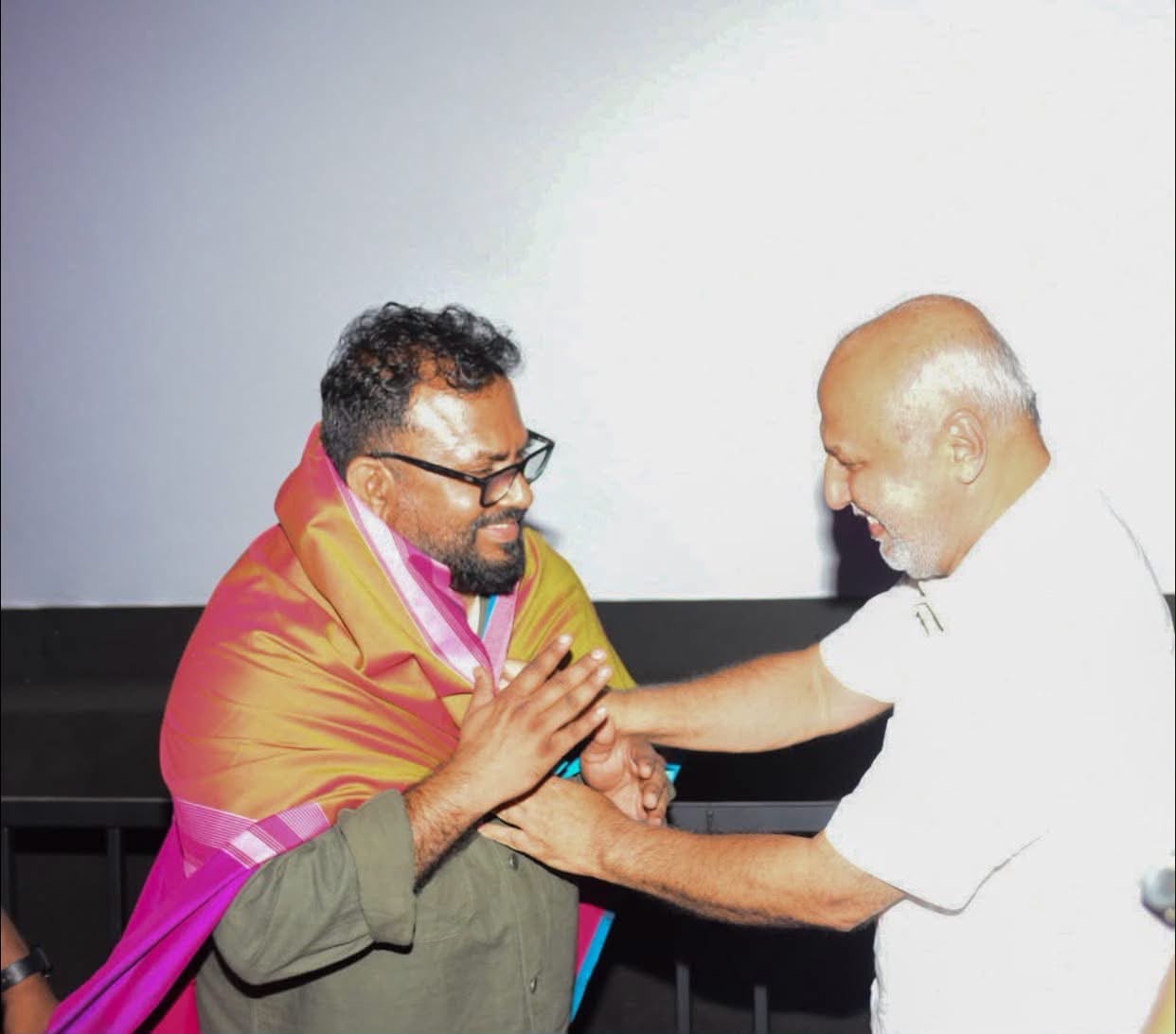
Director Meera Kathiravan had travelled from Tamil Nadu to Sri Lanka to attend the film’s special premiere. Having already established himself as a distinctive filmmaker through acclaimed works such as Aval Peyar Tamilarasi and Vizhithiru, I have no doubt that Habeebi will stand as an important milestone in his cinematic journey.
I was personally invited to the Sri Lankan premiere by my friend, director Meera Kathiravan. In addition, Hon. Rauff Hakeem, Leader of the Sri Lanka Muslim Congress and Member of Parliament, also invited me during an event held in Pottuvil. Accompanied by my friend and former Member of Parliament Musarrap, I travelled to Kalmunai to watch the film.
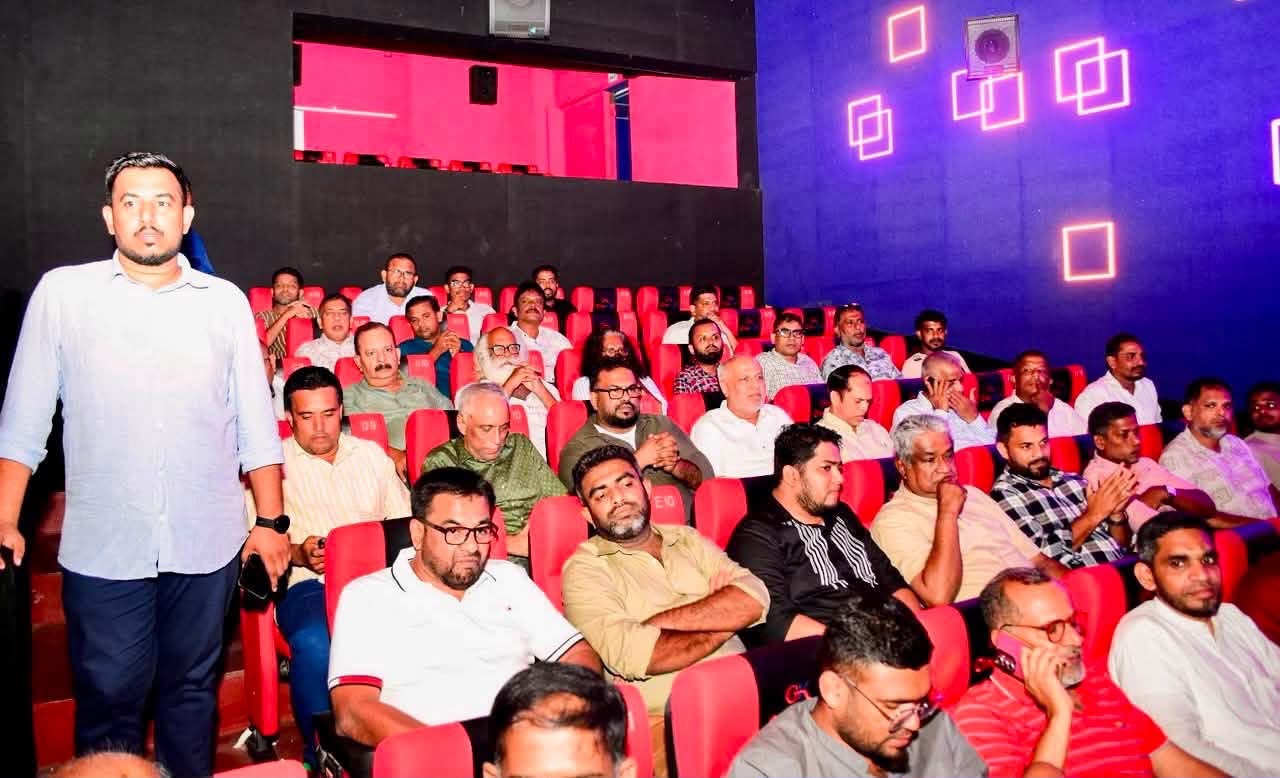
The premiere itself became a memorable gathering, allowing me to reconnect after many years with media colleagues, artists, poets, writers, academics, and friends from different fields. It reminded me that a truly meaningful film does more than entertain—it brings people together.
A Story That Feels Like Our Own
Habeebi is rooted in the everyday lives of the Muslim community of Kadayanallur in Tamil Nadu. For centuries, Tamil Nadu and the southeastern coast of Sri Lanka have shared deep historical, linguistic, commercial, cultural, and familial ties.
That is precisely why, while watching the film, the locations, dialects, clothing, family relationships, and social customs constantly reminded me of Sri Lanka’s Eastern Province—especially the Muslim communities of Ampara District. Scene after scene felt as though I was watching the lives of people from my own hometown unfold on the screen.
Echoes of Sanaik Koorai
As I watched the film, I was reminded of Sanaik Koorai, the celebrated novel by the late National Award-winning Sri Lankan Tamil writer Junaitha Shareef. The novel remains one of the most significant social documents in Sri Lankan Tamil literature, portraying the lives, traditions, struggles of women, and the urgent need for social transformation within the Muslim community of Eastern Sri Lanka.
Nearly twenty-five years ago, I remember reading that novel with tears in my eyes. Habeebi awakened those same emotions once again. Rather than simply watching a film, I felt as though I was reading an unforgettable literary masterpiece. Many scenes touched me deeply, while others left my eyes filled with tears. Even after the credits rolled, the characters remained with me. That, to me, is the hallmark of truly great storytelling.
Honest and Authentic Storytelling
The greatest strength of Habeebi lies in its honesty.
Director Meera Kathiravan never resorts to unnecessary melodrama or artificial emotional manipulation. Instead, he presents life exactly as it is. As a result, every character feels authentic and familiar—as though they are people we have known throughout our lives.
Every character has been crafted with remarkable care. Their language, attire, body language, family dynamics, and daily routines never feel exaggerated or theatrical. The director’s extensive research and genuine commitment to portraying this community with dignity are evident in every frame.
Although many members of the cast are not from the Muslim community, they inhabit their characters with remarkable conviction. Veteran actor Kasthuri Raja delivers a memorable performance as Yusuf. Newcomers Eesa, Malavika Manoj, and Dhanashree Sudhakaran also perform with impressive sincerity and emotional depth. Even the supporting characters contribute meaningfully to the overall narrative.
Cinematography That Speaks Without Words
Mahesh Muthuswami’s cinematography is another of the film’s greatest strengths.
He has not merely photographed locations; he has transformed every frame into visual poetry. The streets, homes, weaving centres, neighbourhoods, and everyday lives of ordinary people immerse the audience completely in that world.
There are moments where the visuals communicate emotions so powerfully that dialogue becomes almost unnecessary. Such visual storytelling is among the film’s finest artistic achievements.
Music That Awakens Collective Memory
One particularly moving moment is the inclusion of the timeless classic Kappalukku Pona Machaan, a song that once echoed throughout Sri Lankan Muslim communities.
Composed by T. K. Ramamoorthy, written by the late poet Nagoor Saleem, and beautifully rendered by Kayal Sheikh Mohamed and P. Vasantha, the song perfectly recreates the emotional landscape of an earlier generation.
As the melody filled the theatre, it felt as though the memories of an entire generation had come alive. Had poet Nagoor Saleem been alive today, he would surely have taken immense pride in seeing his beloved composition reach a new generation of audiences through this remarkable film.
Writing and Music in Perfect Harmony
The dialogues, written by V. S. Mohamed Ameen, feel natural and deeply rooted in lived experience. Every conversation sounds genuine, never theatrical or overly dramatic.
Composer C. Sam has done far more than simply provide background music. His score gently supports the emotions of every scene without overwhelming the narrative. The songs penned by Yugabharathi and Mahshood Rahman further enrich the emotional journey of the film.
A Landmark Representation of Muslim Life
Throughout the long history of Tamil cinema, authentic portrayals of Muslim family life have been surprisingly rare. More often than not, Muslims have been presented through stereotypes or limited perspectives.
Against this backdrop, Habeebi stands apart by portraying Muslim family life, traditions, culture, relationships, faith, and everyday experiences with remarkable dignity, sensitivity, and authenticity.
This is not simply a film about Muslims. It is a profoundly human story.
Love, family, sacrifice, memory, compassion, cultural identity, and enduring relationships are woven together to create a film that speaks to every audience, regardless of religion or background.
More Than Entertainment
When the film ended, I felt not only the satisfaction of having watched an outstanding cinematic work but also the joy of reconnecting with the memories and lifestyle of an entire community.
Looking around the theatre, I could see that same sense of fulfilment reflected on the faces of many viewers.
Tamil cinema has produced only a handful of works that genuinely portray Muslim family life and cultural identity. Director Anees’ Thirumanam Ennum Nikkah was one such noteworthy attempt.
Likewise, under the creative supervision of Anees, actress Radhika’s Radaan Mediaworks produced Jameela, one of Tamil television’s earliest serials centred on Muslim life, telecast on Colors Tamil. I had the privilege of writing three songs for that serial, composed by Rizwan—an experience that remains one of the unforgettable milestones of my own creative journey.
Viewed within that continuum, Habeebi occupies a significant place in Tamil cinema. It presents the traditions, family values, social customs, and cultural identity of the Tamil Muslim community with exceptional completeness and cinematic maturity.
More importantly, it functions as a valuable cultural document that preserves the authentic colours of a community for future generations.
Today’s younger generation often knows very little about the lives, customs, and traditions of their ancestors. Films like Habeebi therefore become visual archives, carrying the memories of one generation to the next.
That is precisely why such films deserve not only commercial success but also cultural celebration.
The film is currently screening successfully across Sri Lanka. I warmly encourage audiences in the Eastern Province and throughout the country to watch it with their families.
I firmly believe that Habeebi will be remembered as one of the most significant Tamil films of 2026.
My heartfelt congratulations to director Meera Kathiravan, the producers, the entire cast, and every member of the technical team for creating such an honest, heartfelt, and culturally important work.
I am confident that Habeebi will remain not only a milestone in Meera Kathiravan’s filmmaking career but also one of Tamil cinema’s most authentic and respectful portrayals of Muslim life.
Habeebi is a film not to be missed.
Watch it with your family.
You will experience not merely a beautifully crafted motion picture, but also the memories of our way of life, the fragrance of our culture, and the enduring warmth of human relationships.


