


COLOMBO Prime Minister Dr. Harini Amarasuriya says at World Indigenous Peoples’ Day celebration
Prime Minister Dr. Harini Amarasuriya stated that the Government is committed to safeguarding the rights and culture of Indigenous people, noting that a draft Indigenous Peoples’ Act, which has been a longstanding request of the Vedda community, has been submitted to the Cabinet. The Prime Minister stated that further action would be taken following consultations with Indigenous representatives and all relevant institutions.
The Prime Minister made these remarks while participating in the World Indigenous Peoples’ Day 2026 celebration held today (August 9) at the Indigenous Peoples’ Heritage Museum premises in Dambana, under the theme “Honouring Indigenous Traditional Midwives: Safeguarding Life and Well-being.”
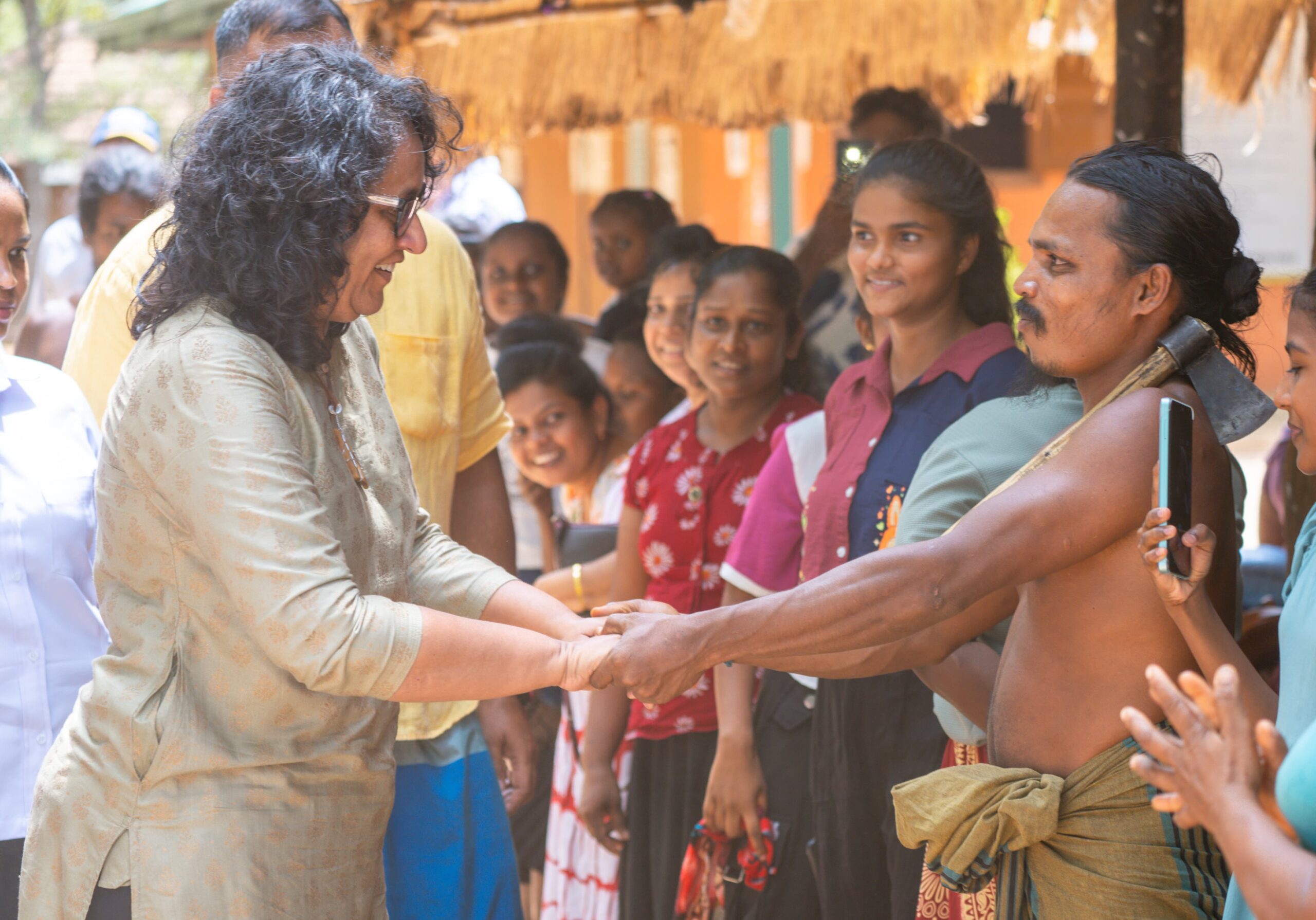
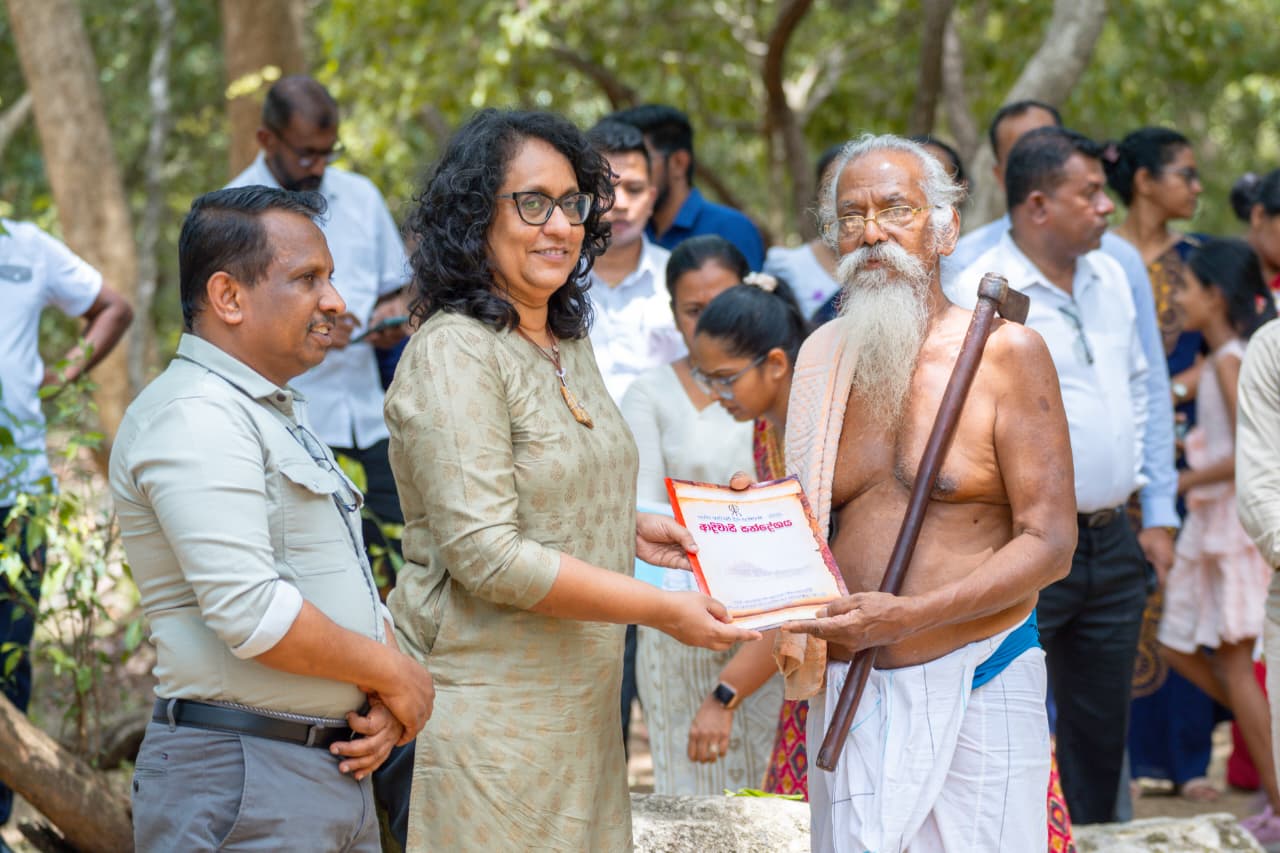
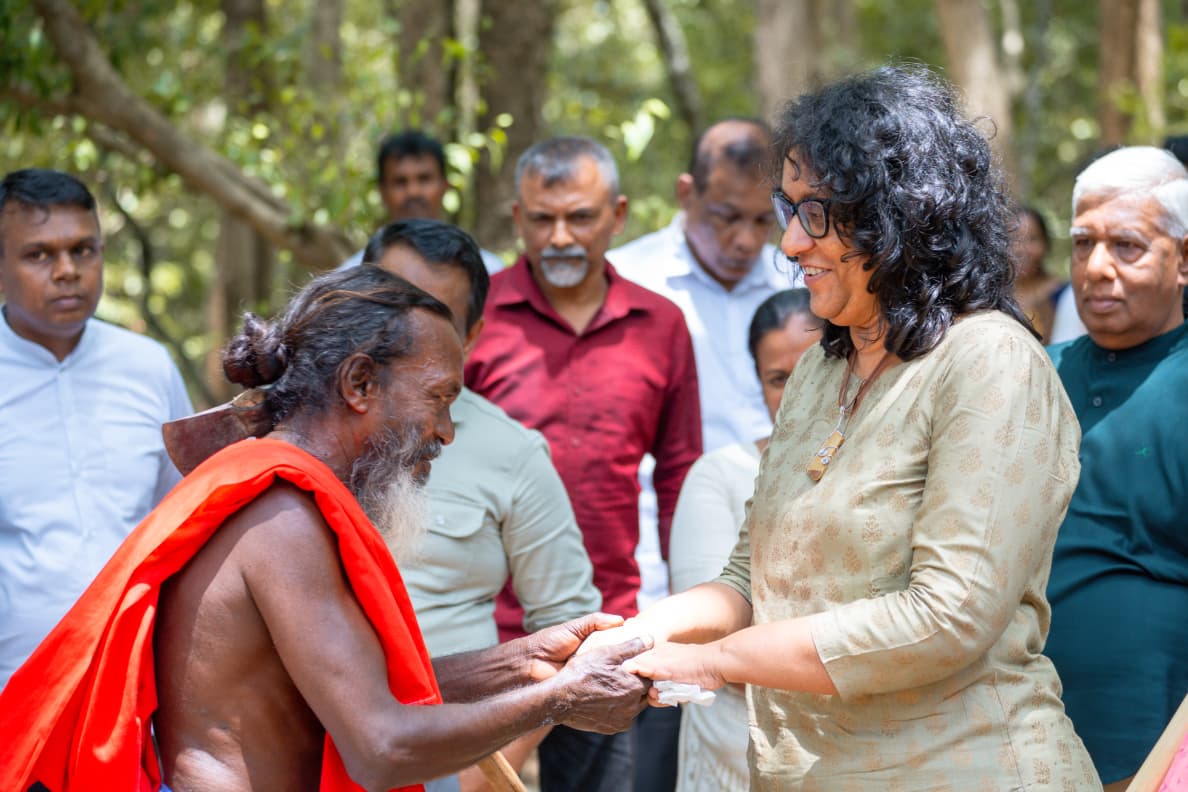
As part of celebrating the day of World Indigenous Peoples, the Prime Minister planted a medicinal plant in the Dambana Indigenous Veddas village and subsequently visited the Indigenous Peoples’ Heritage Museum. Following the presentation of tokens of appreciation to honour traditional midwives, Indigenous Vedda Chief Uruwarige Wannila Aththo presented the Declaration of the Sri Lanka Indigenous Peoples’ Community to the Prime Minister.
Addressing the gathering, Prime Minister Dr. Harini Amarasuriya stated:
The Indigenous Vedda people are a community that has lived in harmony with the environment, making nature itself their home. Simple yet deeply rooted environmental practices have been an integral part of their way of life, for example, refraining from killing pregnant animals, not destroying an entire bee hive when collecting honey, and returning the parts of yams capable of regenerating to the soil after harvesting.
I have heard that former Indigenous Vedda Chief Tissahamy once declined an invitation from a Head of State to provide him with an official residence and land, choosing instead to protect the Vedda culture and ensure the continued existence of the Vedda heritage. In a society where people often pursue personal privileges, the sacrifice he made is an invaluable example to all of us. If we are to create a better society for the future generation, one that respects and loves the environment, we must draw lessons from the simple way of life and environmentally conscious practices of the Vedda people.
We are aware that, as a result of certain development projects implemented in our country and the declaration of national parks, among other factors, the Indigenous Vedda people have faced the threat of losing their traditional forest lands as well as their freedom to maintain their traditional way of life.
The identity, traditional indigenous knowledge and heritage of the Indigenous Vedda people are today at risk of disappearing. As both a Government and a society, we must approach this issue with great sensitivity and responsibility.
Development does not mean destroying the heritage of the Indigenous Vedda people. In accordance with the United Nations Declaration on the Rights of Indigenous Peoples, it is the fundamental responsibility of all of us to stand up for and protect their rights.
As a Government, we are committed to ensuring the rights of the Indigenous Vedda people, providing them with sustainable livelihoods as well as access to education and healthcare, while also fulfilling our responsibility to protect their traditional land rights and cultural autonomy.
For many years, the Indigenous Vedda leadership and the Vedda community have engaged with successive governments regarding the enactment of legislation specifically for them. However, this has not yet been realised. Our Government, particularly through the intervention of Minister Sunil Senevi, has now submitted the relevant Indigenous Peoples’ Bill to the Cabinet. The enactment of such legislation requires extensive consultation with all relevant ministries, institutions and departments.
It is also a complex process that requires establishing a sound legal framework while ensuring that there are no conflicts with existing laws and regulations. The Government is currently taking steps to appoint the necessary committees and commence discussions on the relevant Bill during this week.
In addition, under the leadership of the Minister of Environment, we have signed an Extraordinary Gazette Notification covering a number of matters affecting the daily lives of the Vedda community, including granting access to forests, registration of Indigenous Vedda people and the issuance of legally recognised identity cards. This will provide lasting solutions to many of the issues faced by the Indigenous Vedda community and enable them to protect their rights and culture while continuing their daily lives in accordance with their traditional practices.
Since assuming office, our Government has been undertaking extensive work to take the country towards a transformative era. We are implementing necessary reforms across all sectors while addressing global crises and climate change, and working to ensure the country’s development and economic stability.
The Indigenous Vedda community was also severely affected by the recent Cyclone Ditwah. Although the Government implemented a special programme to provide relief to those affected, we acknowledge that delays in providing assistance occurred in certain areas due to delays and various shortcomings within the state mechanism. The Government has given special attention to this matter and has now taken steps to expedite the provision of relief.
The Government is prepared to genuinely stand up for the rights of the Indigenous Vedda people, while preserving Sri Lanka’s identity, protecting the environment and recognising the valuable contribution they make to the development of the tourism sector. They must be accorded the dignity and respect they deserve.
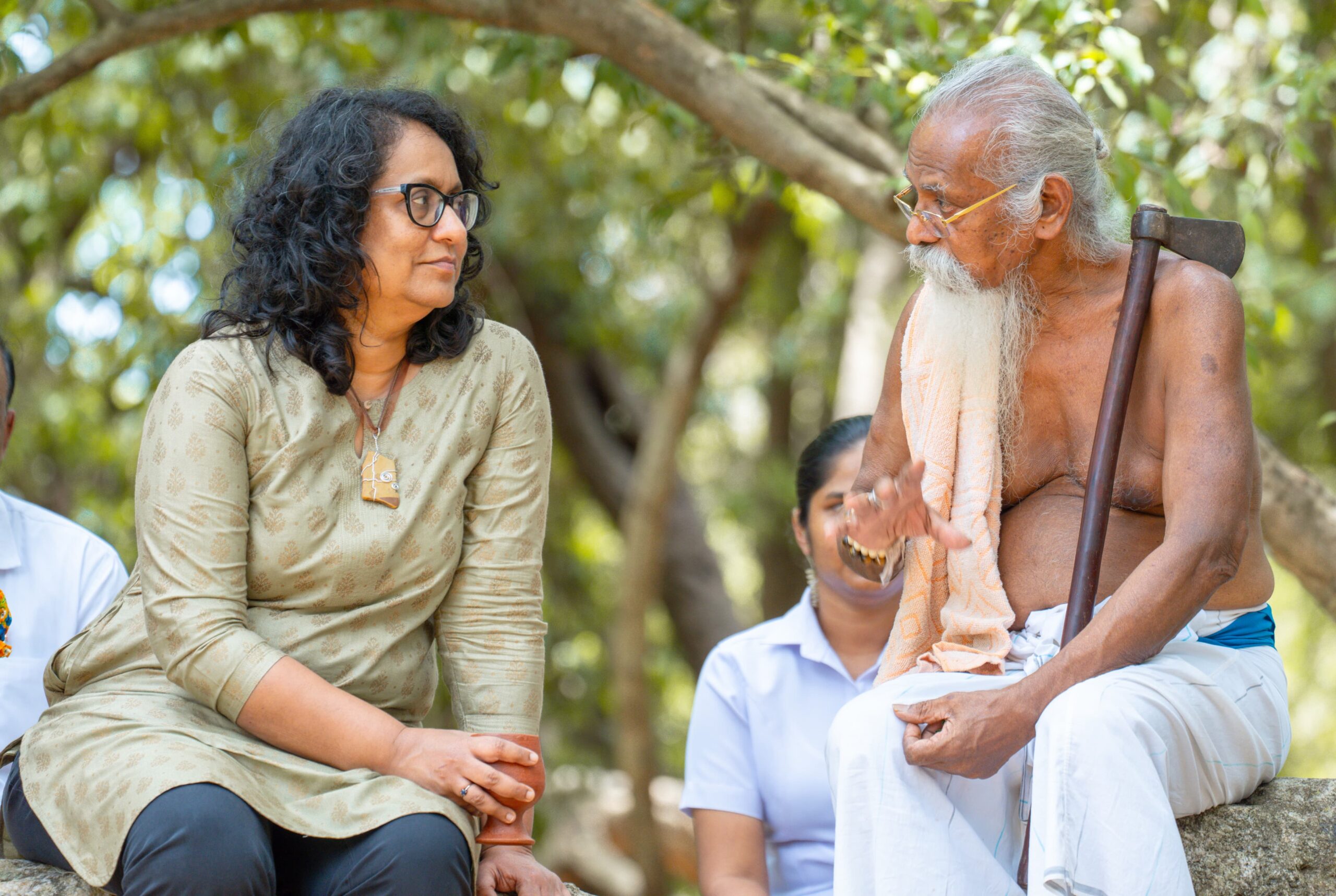
Speaking at the World Indigenous Peoples’ Day celebration, leader of the indigenous Vedda community Wanaspati Uruwarige Wannila Aththo said:
Laws are necessary for the existence and functioning of a country. However, when such laws are formulated, attention must be paid not only to the people and different communities of the country, but also to their cultures. We have discussed our problems with many previous governments, but we have not received any solutions. Due to the existing legal framework, the Indigenous Vedda community faces a large number of difficulties. Some governments invited us to Parliament and discussed our issues with us and with the relevant institutions. However, those governments changed, while our problems remained unresolved. After the present Government came to power, we also presented our concerns and requested that attention be given to our issues. We believe that our views be taken into consideration and that future action be taken accordingly when these laws are formulated.
The occasion was attended by Uva Province Governor Kapila Jayasekara, Minister of Plantation and Community Infrastructure Samantha Viddyarathna, Badulla District Member of Parliament Sudath Balagalla, District Secretary Sunil Galagama, as well as diplomats, government officials and members of the Indigenous community.


