


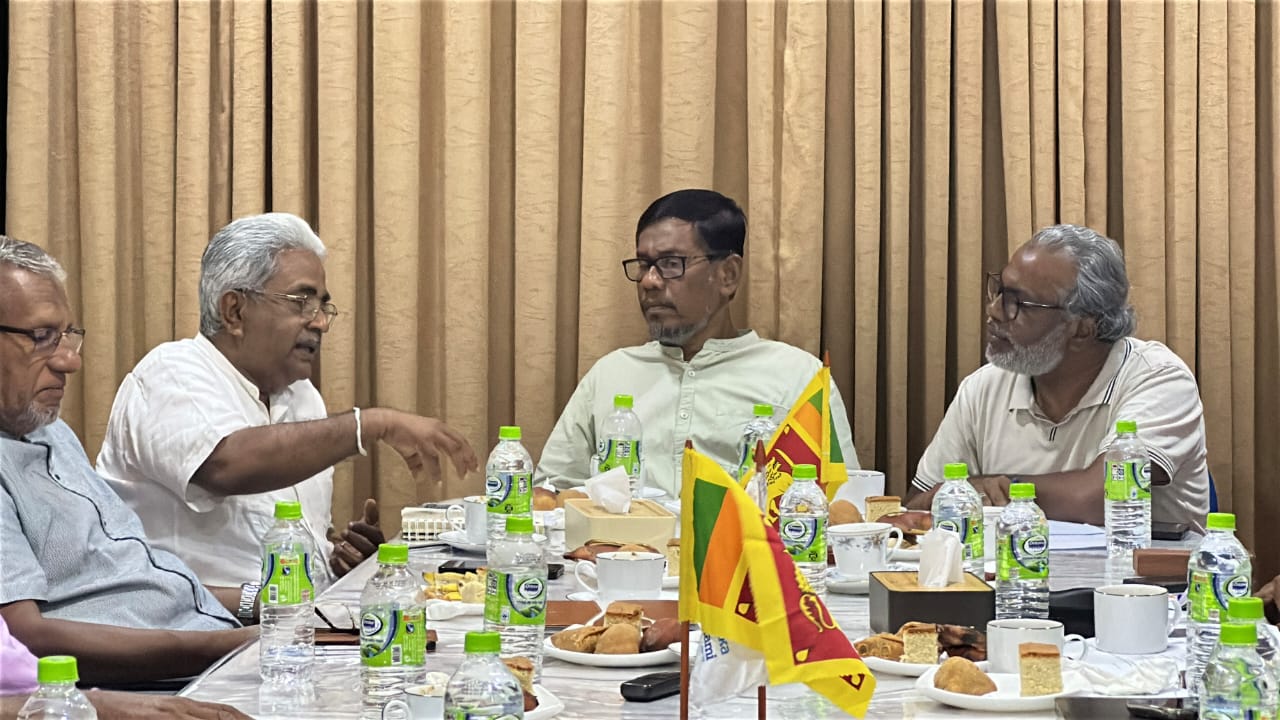
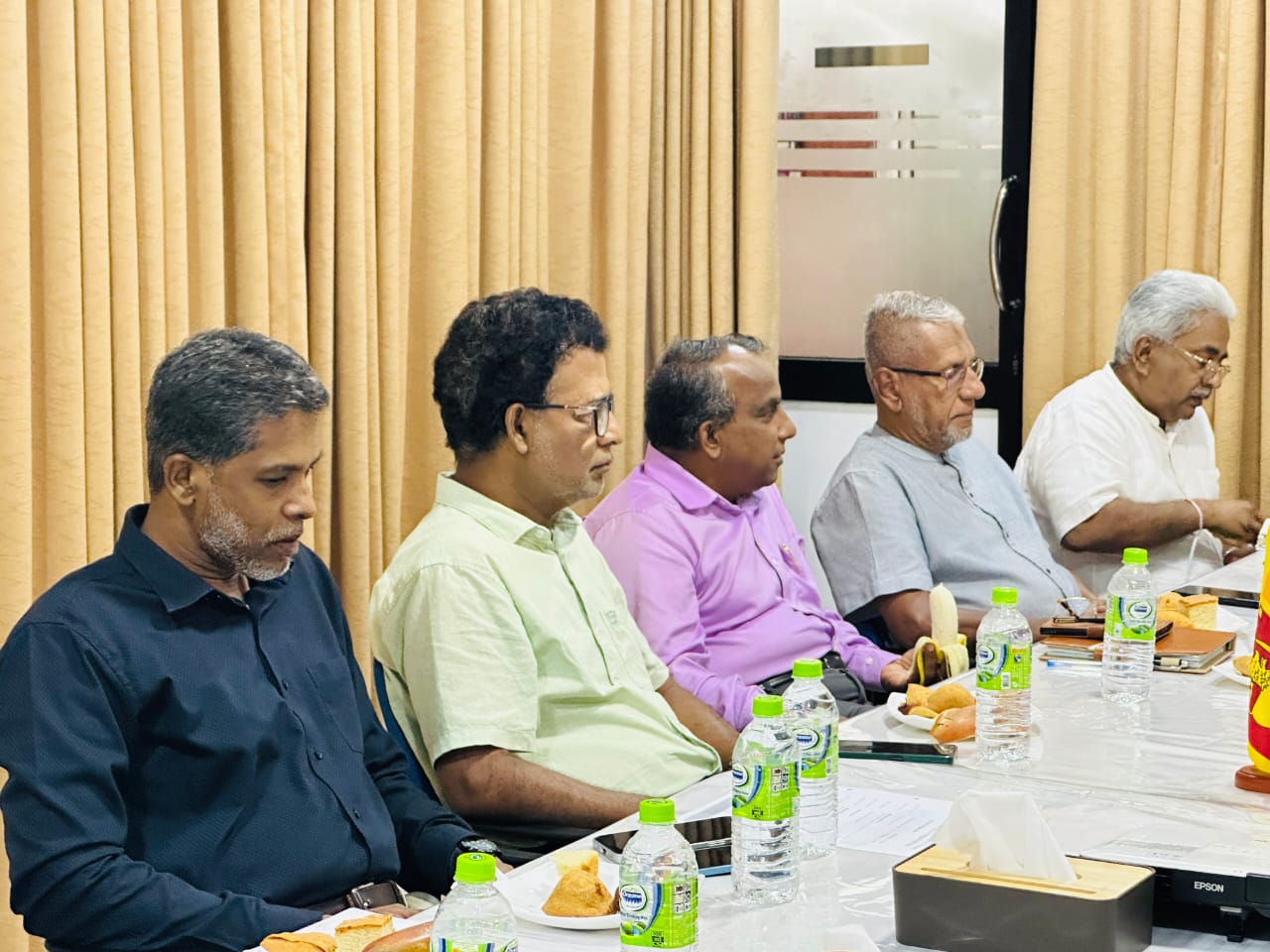
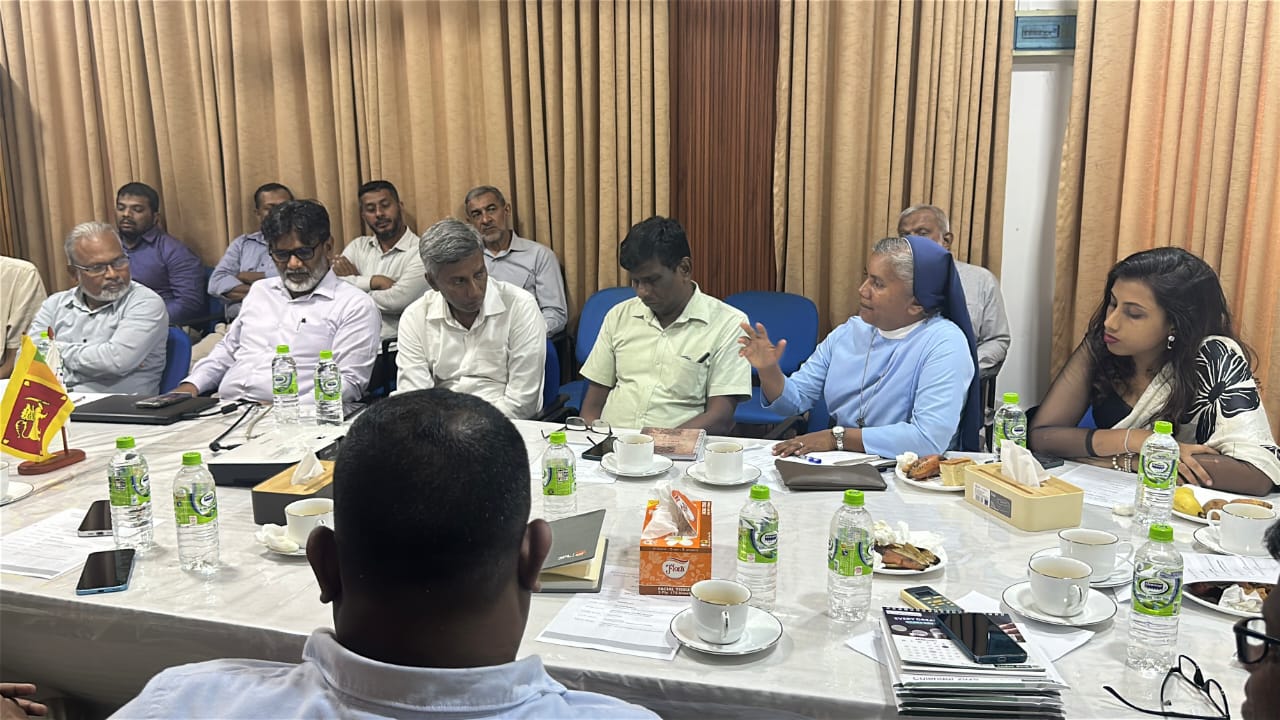
COLOMBO – In the wake of recent devastating natural disasters in Sri Lanka, several leading civil society organizations and experts gathered at the invitation of the Sri Lanka Jama’athe Islami (SLJI) at its headquarters on Tuesday, 30th December 2025, to share experiences and deliberate on lessons learned and strategies for future disaster resilience.
The forum, which brought together 10 national-level organizations, including the Sarvodaya Shramadana Movement, PAFFREL, the National Movement for Social Justice (NMSJ), CaFFE, the National Peace Council (NPC), Ramya Lanka, Healthy Lanka, the Serendib Foundation for Relief and Development (SFRD), and Dharmashakti, along with the hosting organization, highlighted a remarkable surge in volunteerism that transcended ethnic and religious boundaries.
The President of Sri Lanka Jama’athe Islami, Ash-Sheikh M.H.M. Ussair Islahi, chaired the meeting and, in his address, elaborated on the importance of collective endeavors in disaster response.
Attorney-at-Law Faris Saly moderated the session.
Rohana Hettiarachchi, Executive Director of PAFFREL, expressed profound admiration for the public’s spontaneous response in his opening remarks. He noted that the speed at which citizens and civil organizations mobilized food, water, and medicine, often arriving before government mechanisms, was “astonishing.”
“The way Sri Lankans acted during this disaster, much like during the Tsunami, is beautiful. People didn’t wait for an invitation; they jumped into action without looking at the race or religion of those in need,” Hettiarachchi stated. He further emphasized the need for a formal survey of civil society contributions, noting that in places like Badulla, where 20,000 families may need relocation, the government must consider the socio-cultural and psychological impact of moving communities.
Dr. Vinya Ariyarathne, President of the Sarvodaya Shramadana Movement, delivered a sobering assessment of the long-term challenges ahead. While praising immediate relief efforts, he cautioned that the “unity” seen during emergencies might face tests during the resettlement phase, particularly regarding land allocation.
“Every civil organization must provide formal disaster management training to its volunteers to ensure safety and efficiency. Sarvodaya is prepared to facilitate these training sessions for any group,” he said, adding that all disaster-prone areas must be accurately mapped to prevent people from returning to dangerous zones.
Senior architect and social activist Riza Yehiya emphasized that climate disasters are the result of cumulative human actions, including over-consumption and poor waste management. He proposed a shift in urban planning, suggesting that houses in flood-prone areas be built on pillars and that climate education be made mandatory in schools.
Sister Chrishanthi Basil of the Good Shepherd Sisters highlighted an often-overlooked aspect of disaster relief: mental health. She urged the government to involve religious leaders in providing spiritual and psychological counseling to traumatized families.
Dr. Jehan Perera, Executive Director of the National Peace Council, noted that the sheer volume of volunteers mobilized by civil society was something the state should study and appreciate.
Representing the host organization, Chartered Accountant Mr. Rifas Jabbar detailed the systematic approach taken by the SLJI in disaster response. Upon the onset of the disaster, they established a Disaster Relief Coordination Centre (DRCC) at their head office with specialized units for emergency response, volunteer mobilization, logistics, counseling, and media. Through this structured effort, 5,372 volunteers have cleaned over 1,150 residences and public places and restored critical electrical infrastructure in hundreds of them.
M. Aheeyar, Chairman of Ramya Lanka; Ali Sabry, Board of Directors member; and Mr. Sunil Jayasekara of the National Movement for Social Justice (NMSJ) also shared their thoughts.
The consensus among the participants was that the “miraculous” volunteerism of the Sri Lankan people must be met with professional state-level planning. The deliberations concluded with a note on the importance of a unified national policy for the country.
At the end of the session, M.H.M. Hasan, Assistant General Secretary of SLJI, proposed the vote of thanks.


