


COLOMBO : The Bangladesh High Commission in Colombo observed International Mother Language Day 2026 on 13 March 2026 in collaboration with the Ministry of Education of Sri Lanka, United Nations Sri Lanka, the Sri Lanka Scouts Association, and the Sri Lanka Girl Guides Association. The event was organized under the theme “Languages Unite: Diverse Voices, Shared Humanity.”
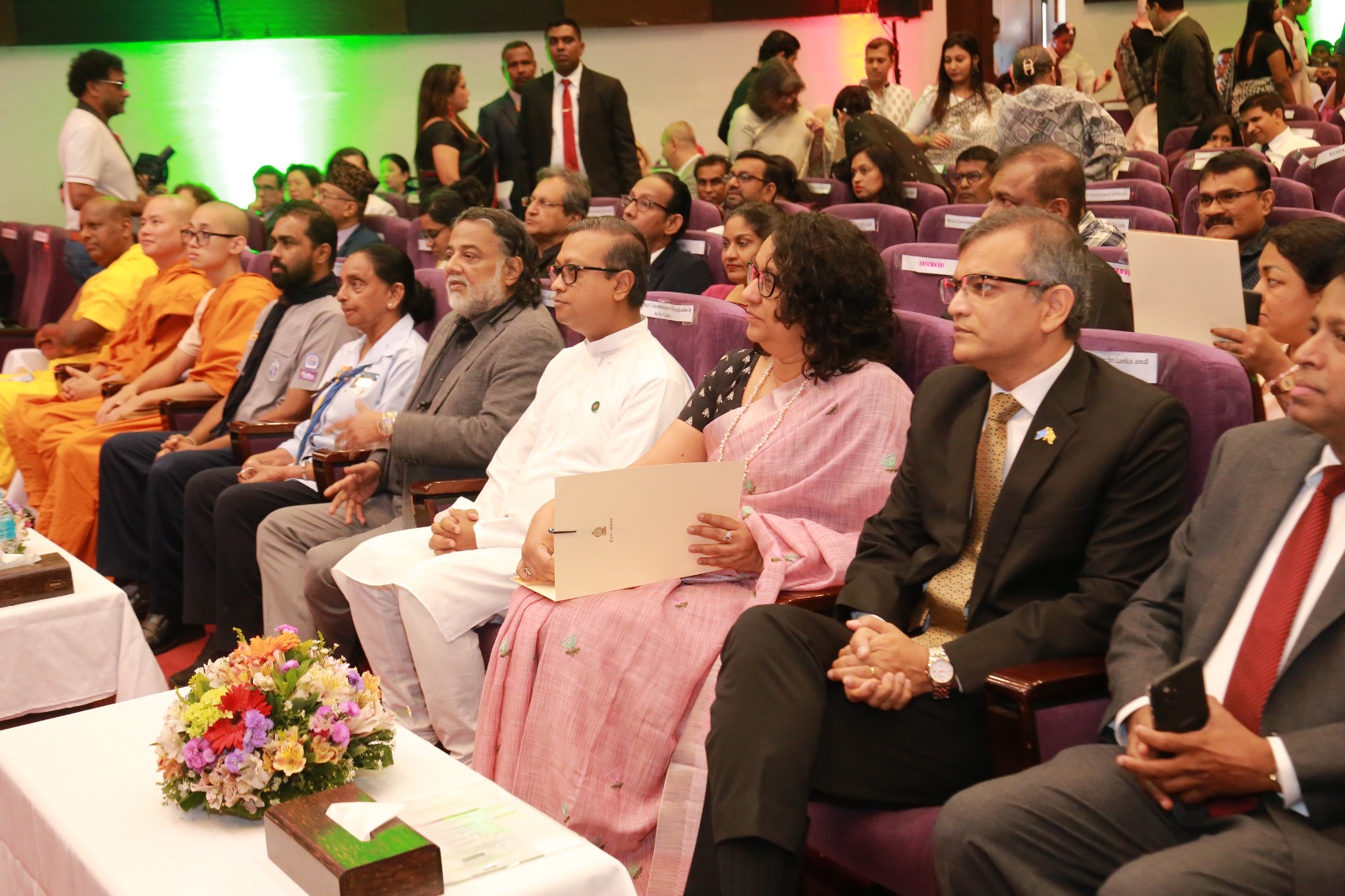
02.The programme was graced by the Honourable Prime Minister of the Democratic Socialist Republic of Sri Lanka, Dr. Harini Amarasuriya, as the Chief Guest. The event was attended by members of the diplomatic corps, representatives of international organizations, officials of the Government of Sri Lanka, educators, students, and members of civil society. More than 600 participants attended the programme.
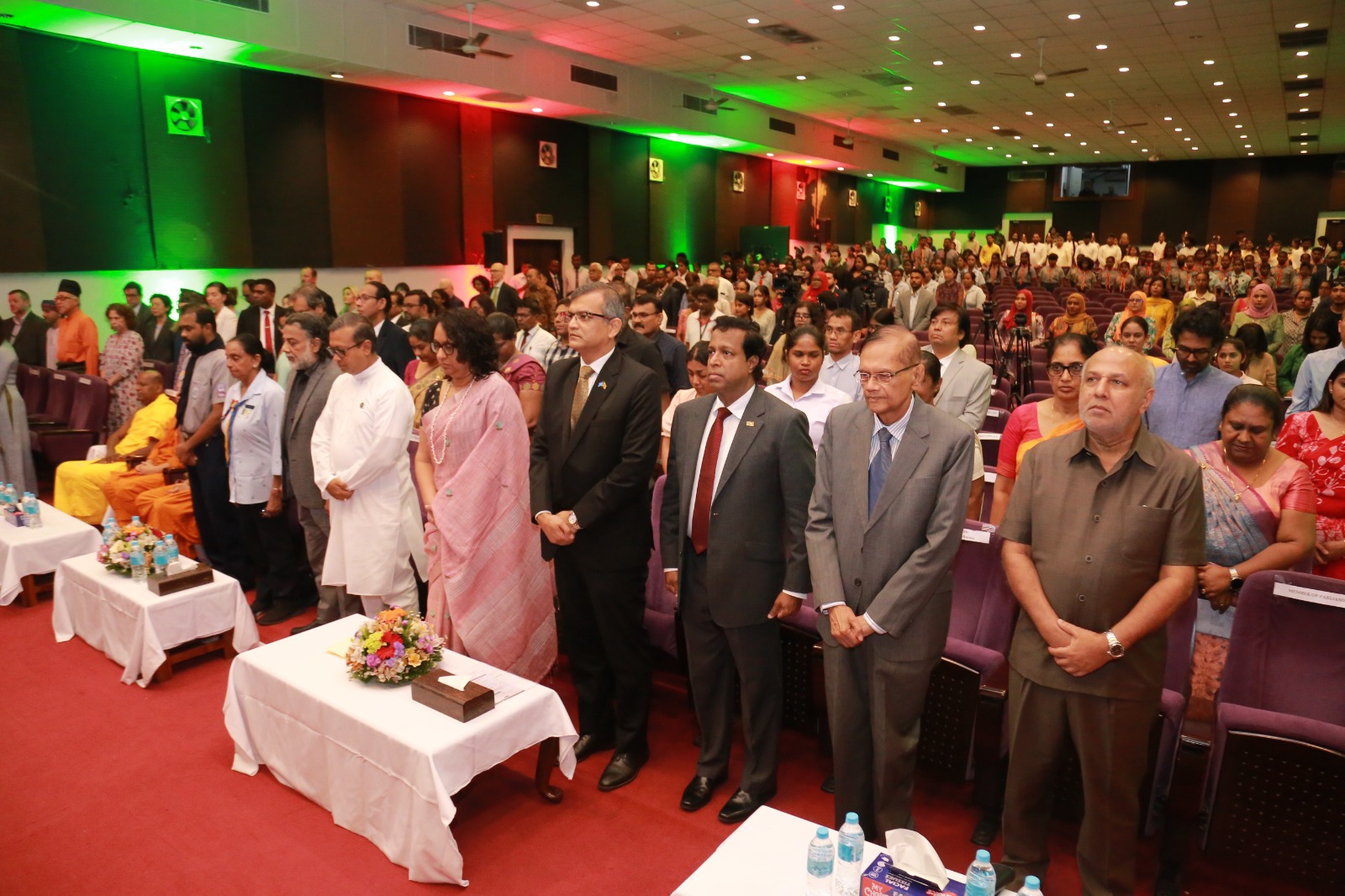
03.The programme commenced with a one-minute silence in remembrance of the Language Martyrs of 1952, whose sacrifice led to the global recognition of International Mother Language Day by UNESCO. The tribute also honoured individuals around the world who have sacrificed their lives in defence of linguistic and cultural rights.
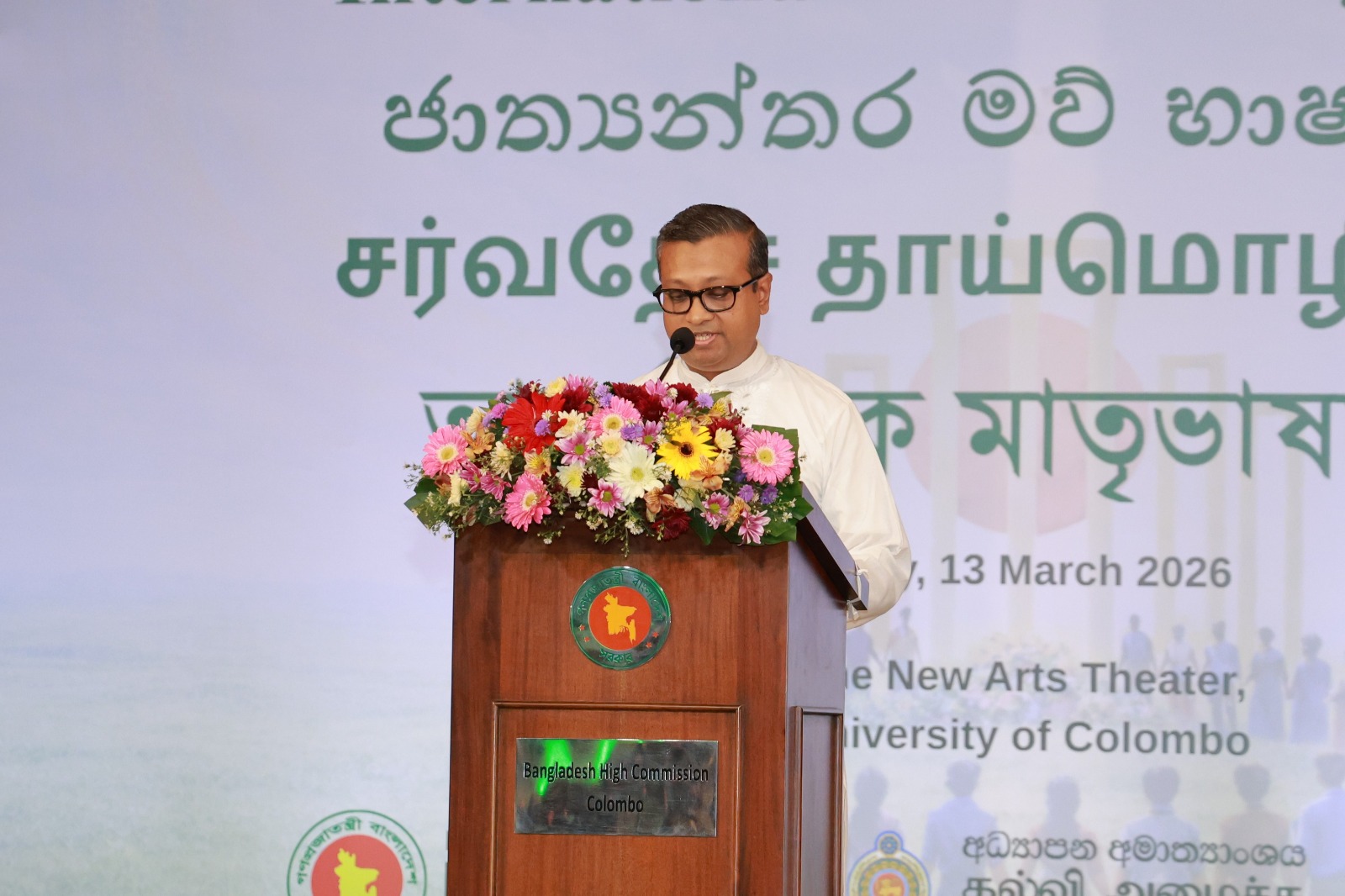
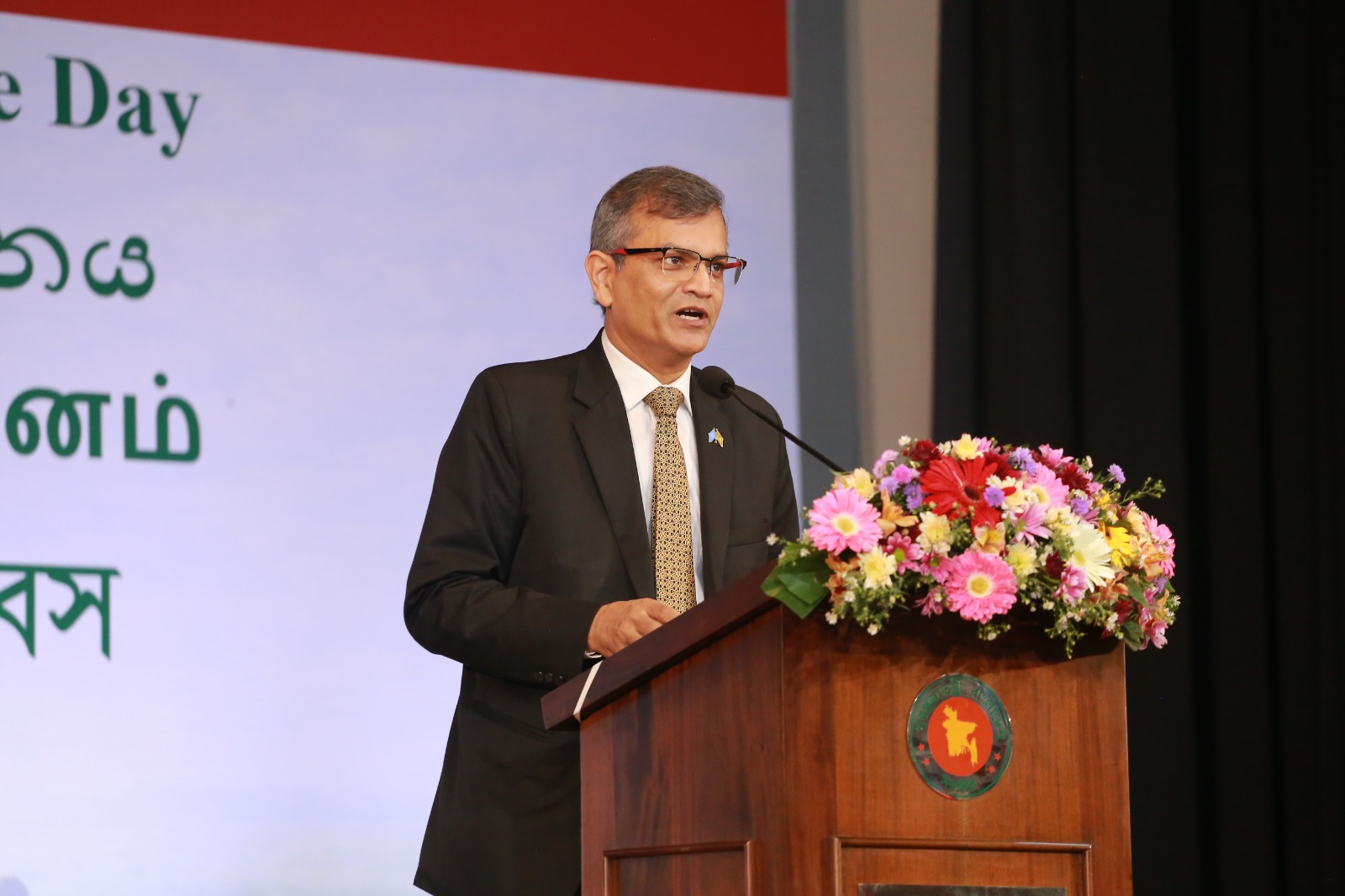
04.In his welcome remarks, H.E. Mr. Andalib Elias, High Commissioner of Bangladesh to Sri Lanka, highlighted the historic significance of the Language Movement of 1952 and its role in establishing the universal principle of linguistic rights. He reaffirmed Bangladesh’s continued commitment to promoting multilingualism, cultural diversity, and inclusive education. The High Commissioner also expressed appreciation to the Government of Sri Lanka and partner organizations for their cooperation in organizing the event.
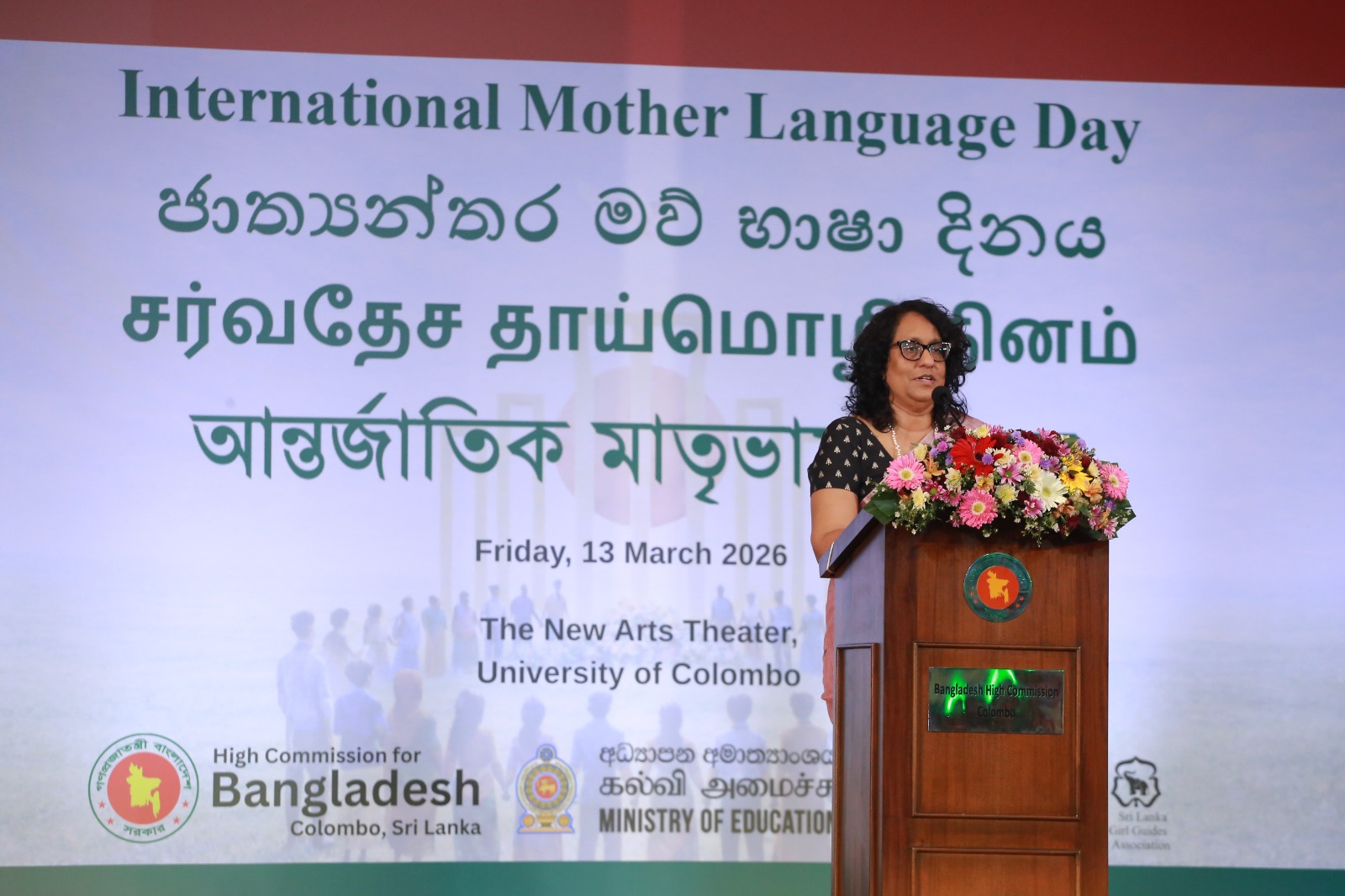
05.In her remarks, the Prime Minister of Sri Lanka commended the initiative of the Bangladesh High Commission in observing International Mother Language Day. She emphasized the importance of such events in raising awareness and appreciation of linguistic heritage. Highlighting the crucial role of preserving mother tongues, the Prime Minister underscored the urgent need to safeguard endangered and near-extinct languages, which serve as vital carriers of culture, identity, and history. She further stressed the importance of maintaining linguistic diversity as an invaluable asset for future generations and called for continued efforts to promote language preservation at both national and community levels.
06.Mr. Vimlendra Sharan, FAO Representative for Sri Lanka and the Maldives, also addressed the gathering. In his remarks, he highlighted the important role of language in cultural preservation, knowledge sharing, and community development. He commended the initiative of the Bangladesh High Commission and its partner organizations in celebrating linguistic diversity.
07.As part of the celebration, the High Commission organized an island-wide creative competition for students across Sri Lanka in three categories: Painting, Essay Writing, and Short Video Production (in Tamil and Sinhala). The competition aimed to encourage students to reflect on the importance of mother languages and linguistic diversity. A total of 15 winners were selected and awarded during the event.
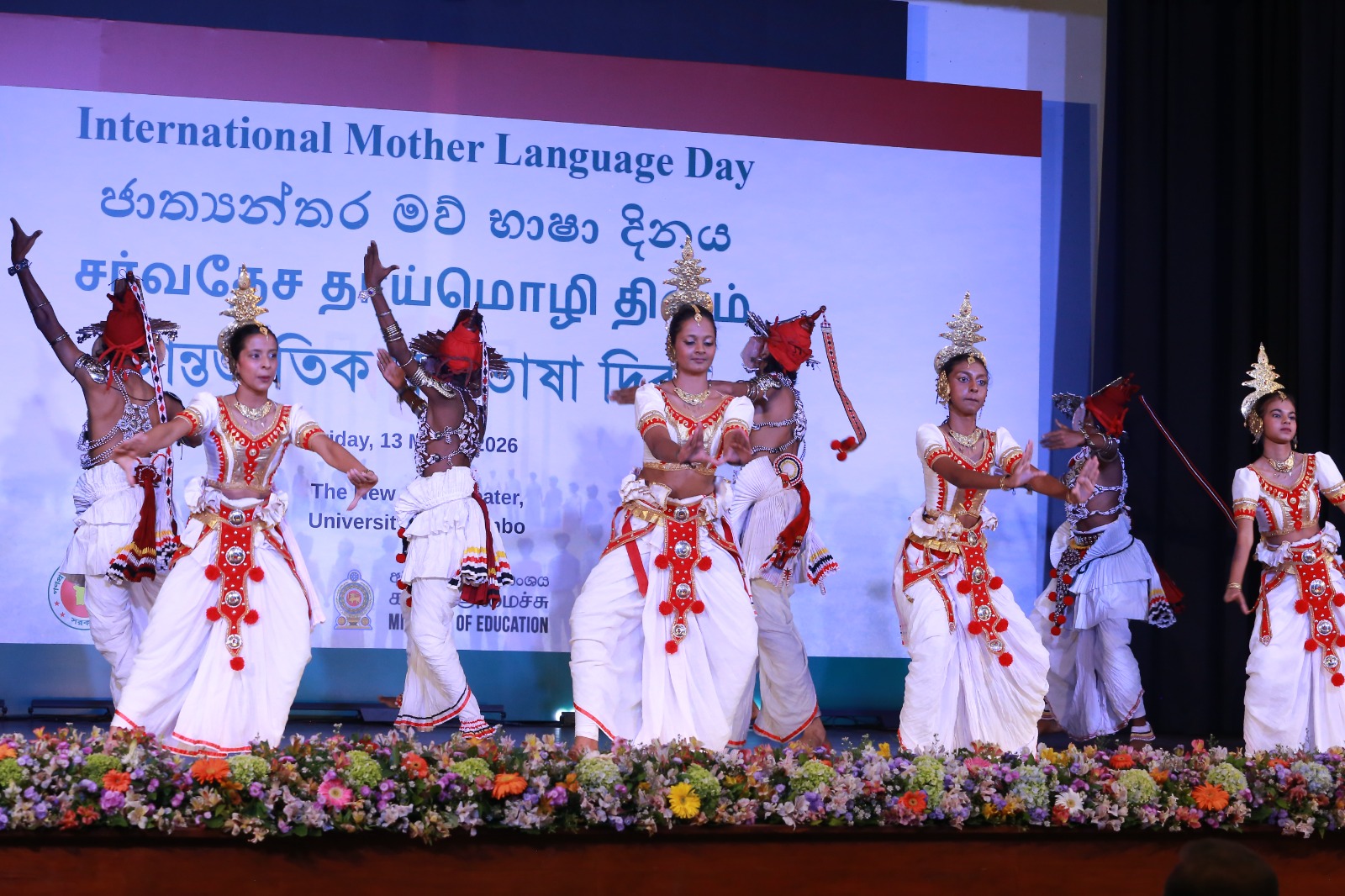
08.The programme also featured a colorful and vibrant cultural segment showcasing performances by diplomatic missions, cultural institutions, and youth organizations representing different countries and traditions. Performances were presented by the Embassy of Vietnam, the Muslim Choral Ensemble of Sri Lanka, the Embassy of the Republic of Korea, the Maldivian Educational and Cultural Centre, Russian House in Colombo, the University of Visual and Performing Arts (Sri Lanka), the Embassy of Japan, the Embassy of Germany, the Sri Lanka Girl Guides, the Swami Vivekananda Cultural Centre of the Indian High Commission, and the SAARC Cultural Centre.
09.The observance highlighted the universal importance of protecting and promoting mother languages, cultural diversity, and multilingual education, while reaffirming Bangladesh’s historic contribution to advocating linguistic rights at the global level.


