


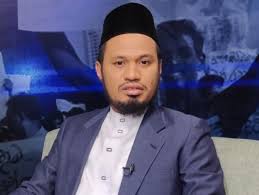
SHEIKH ARKAM NOORAMITH
COLOMBO : Today the 31st of March each year, we pause to remember a painful chapter in the history of Sri Lanka-the forced cremation of COVID-19 victims, which denied many families their fundamental religious rights and human dignity. This remembrance is not merely an act of grief; it is a moral responsibility. It is a stand against injustice, and a commitment to ensuring that such oppression never occurs again.
In reflecting on these events, the Qur’an provides profound guidance-particularly in Surah al-Buruj (Chapter 85). This surah recounts the story of the People of the Trench, who persecuted and burned believers simply for their faith. Allah says:
“Cursed were the people of the trench-of the fire filled with fuel-when they sat by it and witnessed what they were doing to the believers. And they resented them not except because they believed in Allah, the Almighty, the Praiseworthy…” (85:4–8)
This passage captures the essence of oppression: the abuse of power to violate the dignity and rights of others, often without justification except difference in belief or identity. The forced cremations, though in a different context, echo this pattern-where the Muslim community and other who believed in burial was subjected to a policy that disregarded their deeply held religious convictions, despite the absence of scientific necessity.
The Qur’anic Call to Remember
Surah al-Buruj is not simply a historical account-it is a reminder that oppression must never be forgotten. The Qur’an preserves these stories so that humanity remains vigilant. Forgetting injustice risks normalizing it. Remembering, on the other hand, is an act of resistance against its repetition.
In Human History, memory is tied to accountability. The Oppression committed against the the People of the Trench did not go unnoticed by Allah. Similarly, every injustice in this world is recorded, and ultimate justice belongs to Him:
“Indeed, your Lord is severe in punishment. Indeed, it is He who originates and resurrects all .” (85:12-13)
This divine assurance gives believers strength-but it does not absolve human beings of their responsibility. Rather, it calls upon societies to pursue justice actively.
Why Remembrance Matters Today
The remembrance of the victims of forced cremation is not about reopening wounds; it is about healing them properly. Healing without justice is incomplete. A society that fails to acknowledge its oppression risks repeating it under different circumstances.
By remembering:
•We affirm the dignity of the victims and the suffering of their families.
•We educate future generations about the consequences of injustice.
•We strengthen societal commitment to human rights and religious freedom.
Surah al-Buruj also teaches us that silence in the face of oppression is not neutrality-it is complicity. The Oppression of the past must inspire the courage of the present.
The Necessity of Justice
Justice (adl) is a central command in Islam. Allah says elsewhere in the Qur’ān:
“O you who believe! Stand firmly for justice, as witnesses to Allah, even if it be against yourselves…” (4:135)
Seeking justice for the victims of forced cremation is not an act of division-it is an act of national integrity and shared humanity. It ensures that laws and policies are guided by fairness, evidence, and respect for diversity.
Accountability, investigation, and acknowledgment are not merely legal processes; they are moral imperatives. They send a clear message: that no authority is above justice, and no community is beneath dignity.
From Remembrance to Reform
Surah al-Buruj concludes with a powerful reminder of the permanence of divine truth:
“Rather, it is a glorious Qur’an, in a preserved tablet.” (85:21–22)
This permanence contrasts with the fleeting nature of Oppression may appear strong in its moment, but it is ultimately fragile and doomed. Justice, however, endures.
As we mark this anniversary, our remembrance must lead to reform:
Establishing memorials that preserve the memory of the victims.
· Instituting legal safeguards to protect religious rights.
· Building a culture of empathy and inclusivity.
· Ensuring that policy decisions are rooted in knowledge, not fear.
A Collective Responsibility
The lesson of Surah al-Buruj is clear: Oppression thrives when power is unchecked, and it is defeated when truth is upheld. Remembering injustice is not about dwelling in the past-it is about safeguarding the future.
As a nation, Sri Lanka stands at a moral crossroads. By acknowledging past oppression and committing to justice, it has the opportunity to strengthen unity and rebuild trust among its diverse communities.
Let this remembrance be a turning point-a moment where we collectively say: never again.
“And Allah is Witness over all things.” (85:9)


